
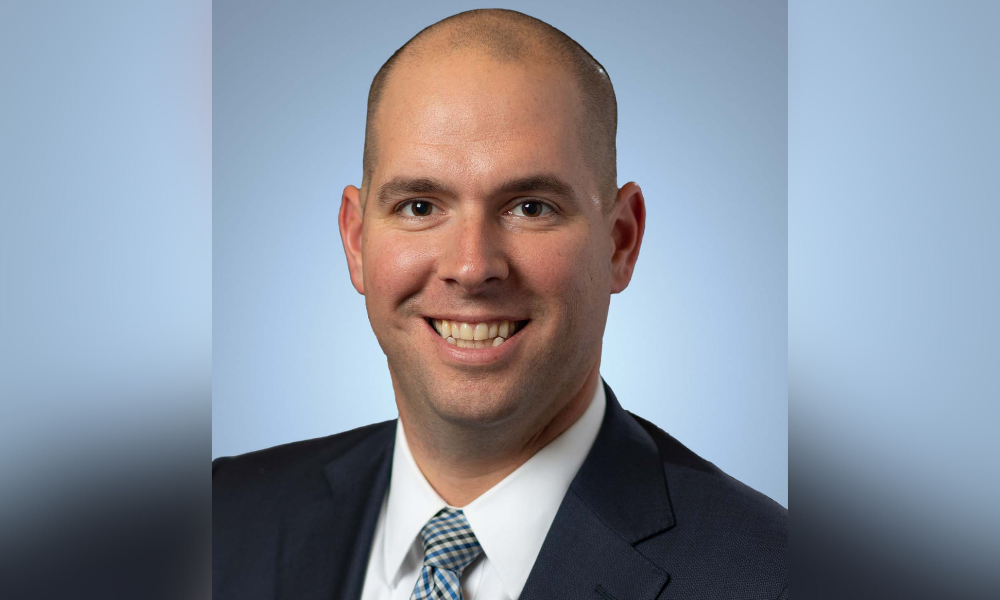
Touchstone Investments is reshaping its sales approach to the fast-growing registered investment advisor market, making two senior hires to court the industry’s 30 largest consolidators. RIA aggregators are increasingly requiring services that traditionally mirror those given to wirehouses, Touchstone president Ben Alge told InvestmentNews.
“What we noticed in the last three to five years with the rise of the RIA aggregator is that the RIA space would more and more resemble the look and feel of a small wirehouse,” said Alge. “With key accounts coverage, model construction, advisors making bottom up decisions. All those elements that we had historically sold to the traditional wirehouse side were now evident in this RIA space, and we weren't structured appropriately to attack that.”
To fill those gaps, Touchstone has hired Mike Day to be divisional VP of its institutional and RIA channels. Day had a previous 11-year stint at Touchstone before he spent the past two years as a director of alternatives at Advisors Asset Management. James Kissane, a former national accounts manager at Columbia Threadneedle, has joined Touchstone as its director and senior strategic relationship officer with a focus on independent advisors and RIAs.
“Our expectation is that the fastest growth for us from sales perspectives is in the RIA channel for at least the next three to five years,” said Alge. “Our expectation is now for the next 12 months we have full coverage from a model perspective, strategic relationship perspective, and bottom-up perspective on all 30 of those [RIA aggregators].”
Earlier this month, Touchstone said it surpassed its yearly ETF sales goal for 2025 at the mid-year mark by reaching over $250 million in sales. Touchstone traditionally distributed its services to RIAs based on their assets under management, with those over $500 million considered an institutional sale and those under $500 million falling under its retail category.
“What we found was that's about as bad of a line in the sand as you can make, because the aggregators are aggregating assets, and it's about where the decision is being made, not about the asset level,” said Alge, who outlined three metrics Touchstone now prioritizes to dictate its approach to serving RIAs.
“How much influence can we have at the home office model level, so our advisors being told from the top down what to buy. How much influence can we have from a home office relationship perspective, and then how much influence can we have from the bottom up in terms of the individual advisor being able to direct the sale,” Alge said. “Those three elements are now determining how we're covering them. AUM is a factor, but it's not the deciding factor, it's really more about who's the person pulling the trigger.”
RIA consolidators, also known as aggregators who rapidly acquire smaller advisor teams, account for $1.5 trillion in client assets or 18% of the industry's total, according to a 2024 report from Cerulli. RIA aggregators Edelman Financial Engines, Creative Planning, Hightower, Mariner Wealth Advisors, and Wealth Enhancement are the five biggest RIAs by AUM, according to Barron’s.

Goldman Sachs retirement survey finds 83% want guaranteed income, while the annuities providing that income increasingly hold private credit.

The AI meeting assistant's Advisor Intelligence plugin turns client conversation data into annual reviews, tax scans and attrition alerts.

Chuck Roberts and Stifel have been facing scrutiny due to sales of structured products and structured notes.

Among other updates, the proposals would let advisors to regulated funds earn performance fees and allow interval funds to offer monthly repurchases.

What will financial advice look like 20 years from now? Evan Vladem explores how AI may transform wealth management while reinforcing the enduring value of human guidance, trust, and empathy.
As AI makes financial information more accessible than ever, Lana Hock explains why human judgment, trust, and empathy remain the qualities clients value most in a financial advisor
Northern Trust’s Ken Lassner shows advisors how to convert volatility into after-tax portfolio gains

