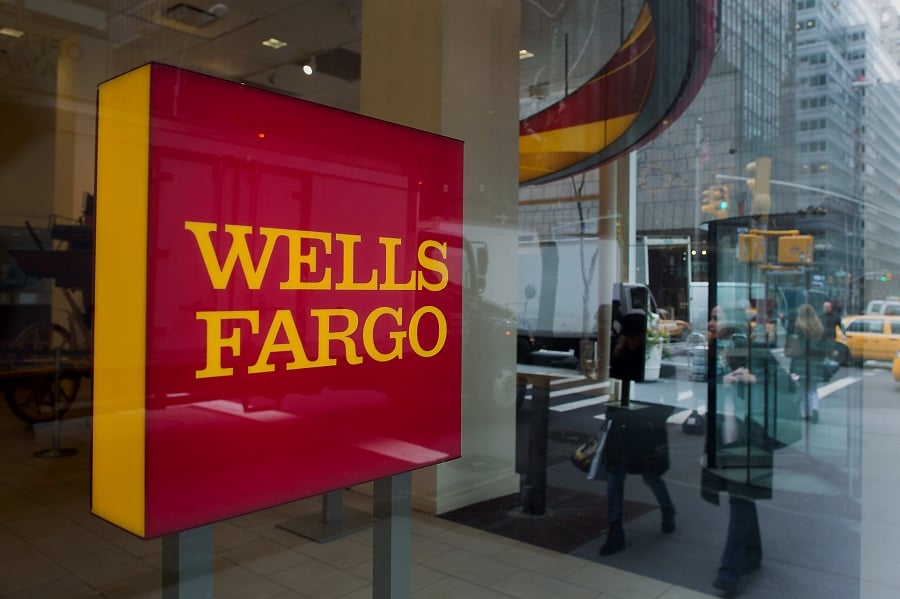
Shares of
Wells Fargo & Co. fell in early Friday trading after Chief Executive Officer Tim Sloan abruptly stepped down on Thursday, triggering a hasty search for a successor.
The move came partly as a relief, as Mr. Sloan had faced a tough crowd at a House committee hearing earlier this month, topped off by the Office of the Comptroller of the Currency issuing a rare public criticism of the bank. But the sudden departure is also raising questions about who may step in, how any new CEO will cope with the challenges facing
Wells Fargo and which way the bank's expenses are headed.
(
More: Wells Fargo CEO Tim Sloan steps down)
The stock dropped as much as 2%, while other large banks were posting gains. JPMorgan Chase & Co. rose about 0.7% and
Bank of America Corp. was ahead by about 0.6%. Morgan Stanley is rallying, too, with 1.1% gain, after announcing President Colm Kelleher, who had navigated the investment bank through the financial crisis, will leave at the end of June.
Here's a sample of what some analysts are saying:
Deutsche Bank, Matt O'Connor
Mr. O'Connor cut his rating on Wells to hold from buy out of a concern that earnings may suffer as a new CEO re-evaluates savings targets and shifts the bank's business model. At the same time, a new CEO "should help speed up the process of addressing regulatory issues."
Raymond James, David Long
Long upgraded his rating to market perform as Sloan's retirement "removes a headwind." He sees better investor sentiment and less regulatory scrutiny.
Even so, Mr. Long's enthusiasm is "tempered by still inferior fundamental performance." He expects revenue will drop again in 2019, earnings-per-share estimates will be cut and profitability metrics will keep trailing peers.
Citi, Keith Horowitz
Sloan's "decision to step down was the right move," Mr. Horowitz wrote in a note, though picking the right CEO next is more important.
He hopes the board will seek a CEO with "a strong analytical mind," who can focus on capital management, and "not prioritize chasing short-term growth." He also recommends significant industry experience, a strong technology background and "a collaborative mindset," as an outsider will need support. Mr. Horowitz's first call would be to JPMorgan CFO Marianne Lake.
He rates Wells a buy, and flags potential positive catalysts including strong
Federal Reserve stress test results and a return to positive revenue growth by the fourth quarter, and doesn't see the asset cap lifted until mid-2020.
Morgan Stanley, Betsy Graseck
Mr. Sloan's resignation "removes a distraction," but share performance will depend on "who replaces him and how quickly," Ms. Graseck wrote in a note. A delay beyond six months may weigh on shares, while the next CEO needs to be "vibrant, energetic and tech-savvy."
She expects shares to stay range-bound until a successor is appointed. Rates the stock equal-weight, with a price target of $55.
Goldman, Richard Ramsden
At this stage, it's "difficult to draw any firm conclusions on what this change means," particularly as the range of possible successors is wide. Rates Wells a buy, with a price target of $59.
Credit Suisse, Susan Roth Katzke
"We believe this will be among the most coveted roles in banking, though not without challenges," Ms. Katzke wrote in a note. It's "absolutely critical that the new CEO can lead Wells Fargo forward and out of the Fed's Consent Order, sooner rather than later." She reiterated her $60 target price; rates the shares neutral.
RBC, Gerard Cassidy
A change in leadership had been a "likely outcome of the company's efforts to distance itself from its sales practice issues," Mr. Cassidy wrote in a note.
Though RBC has "faith that WFC will be able to appoint a new CEO capable of moving the bank beyond its recent missteps," Mr. Cassidy highlighted "the herculean tasks that await Mr. Sloan's successor." Among them: "Inherited cost saving targets, regulatory constraints such as the asset cap, robust capital return targets,and ongoing headline risks." He rates the stock sector perform, with a target of $48.
(
More: For Wells Fargo Advisors, finding new clients becoming difficult)
Piper, Kevin Barker
Mr. Sloan's exit "signals a turning point," and may let Wells Fargo "operate like a normal bank trying to build relationships rather than constantly putting out fires," Mr. Barker said in a note.
Even so, the bank's "fundamental outlook remains murky." He keeps his neutral rating and $55 target.
KBW, Brian Kleinhanzl
"A new CEO can help repair government and regulatory relationships," Mr. Kleinhanzl wrote in a note. At the same time, the search process and uncertainty about expenses create "new risks for shares of Wells Fargo."
KBW doesn't expect the near-term regulatory environment will get worse and assumes the asset cap will still be in place in 2020. KBW rates the stock outperform, with a target price of $58.