
Americans are finding it harder save in the current economic climate with back-to-school costs adding to the challenge.
With the Fed continuing to maintain interest rates at elevated levels, although there are hopes that a jumbo cut could come next month, finding spare dollars to save is hard and new research reveals many people are missing their savings goals – and may have spent tax refunds they intended to save.
The Growing Personal Savings Tracker from Santander Bank for the second quarter of 2024 reveals that 44% of Americans missed their savings goal in June, up from 35% in March; and while 54% did contribute to their savings each month from April-June, this was down from 60% who did so in the January-March period.
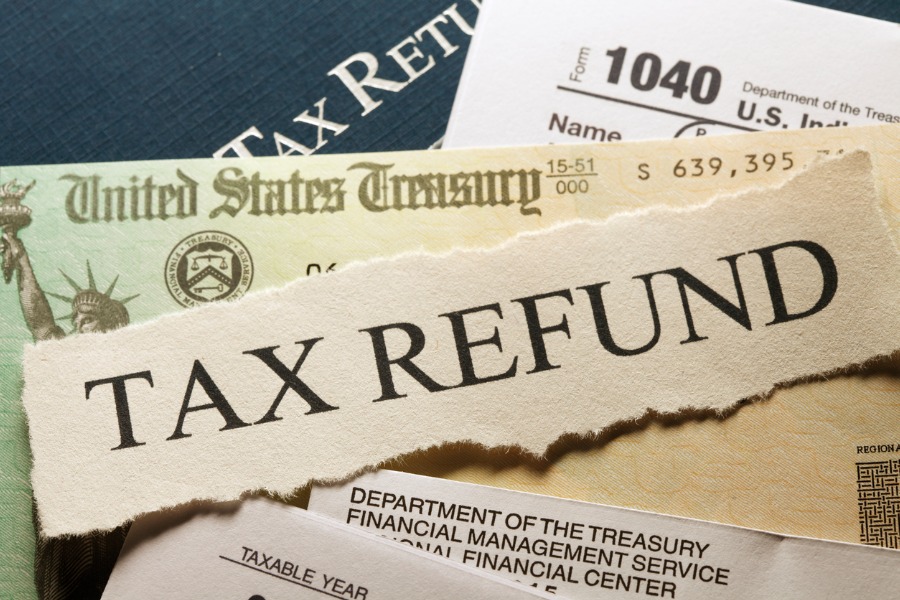
Although 86% of respondents to the bank’s research said they planned to use at least some of their expected tax refunds to top up their savings, just 60% did so and even then generally saved less than intended. Too many financial commitments was the main reason.
As schools return, these costs, along with energy bills, are not only delaying spending but driving withdrawals. More than half of respondents who need to do back-to-school shopping said they will dip into savings to fund it, and 60% said these expenses will be a barrier to saving.
For four in ten parents of kids under 18, more than four in ten said back-to-school shopping season is one of the most expensive times of the year.
Emergency savings continue to suffer with slightly less than half of respondents having contributed to their rainy day fund in the last three months and nearly half unable to cover a $2,000 emergency expense from savings.
The report also found that many people are missing out on higher rates for their savings.
Awareness is a key issue with around half of survey participants unaware that savings rates are the highest they’ve been in around 15 years, and others believe it takes too much time to find and open a higher rate savings account.
In fact, more than seven in ten would rather sit in traffic for an hour or stand in line to make $200 rather than spend the time to open a savings account that could earn that in interest, based on Fed stats showing the median savings in bank accounts is $8,000.
“Americans remain resilient in the face of continued financial challenges, but many are missing out on the opportunity to earn more with higher interest rate accounts due to general lack of awareness,” said Tim Wennes, Santander US CEO. “Our research uncovers both the opportunities and challenges confronting Americans, which helps Santander Bank as we continue to innovate and update our platforms, products and services to enhance engagement and support our customers in achieving their financial goals.”

LPL Financial and Raymond James also add independent advisors from Osaic and Edward Jones in Michigan and Arizona.

The SEC-registered RIA advises on more than $1 billion in client assets, with no advisory fee through 2027 and no human financial advisors.

95.8% of house trades were winners. For clients? The SEC says just 14.9%.

The complaint says Duolingo added friction on purpose, then lied about it.

The four wirehouse firms lost 1,449 experienced advisors and recruited 932 in the first six months of the year, according to Diamond Consultants.
Knighthead Life entered the market with a competitive MYGA. A strong launch earned advisor confidence and paved the way for FIAs.
As AI makes financial information more accessible than ever, Lana Hock explains why human judgment, trust, and empathy remain the qualities clients value most in a financial advisor

