
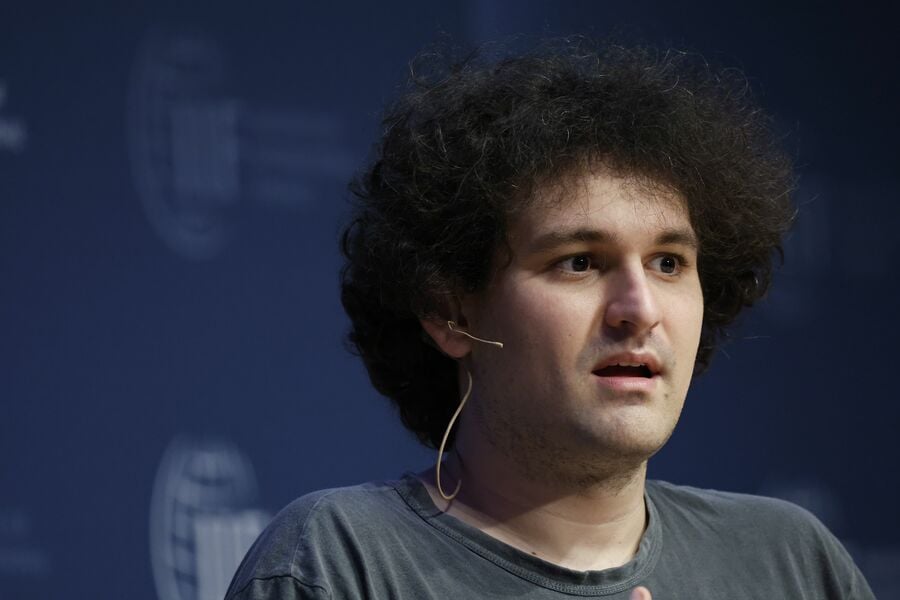
FTX co-founder Sam Bankman-Fried was accused by U.S. regulators of carrying out a multiyear scheme to defraud investors.
The Securities and Exchange Commission said Tuesday that Bankman-Fried, who was arrested on Monday in the Bahamas and is facing criminal charges in the U.S., raised more than $1.8 billion from investors. The SEC also said he concealed risks and FTX’s relationship with his trading firm, Alameda Research, and used commingled customer funds.
“We allege that Sam Bankman-Fried built a house of cards on a foundation of deception while telling investors that it was one of the safest buildings in crypto,” SEC Chair Gary Gensler said in a statement.
Bankman-Fried diverted billions of dollars of customer funds to help grow his other entities, the SEC said in its complaint filed Tuesday in New York’s Southern District court. The SEC complaint alleges that FTX raised more than $1.8 billion, including $1.1 billion from about 90 U.S.-based investors, in an “orchestrated scheme to defraud equity investors” who bought in based on the belief that FTX had appropriate controls.
Alameda Research was allowed to carry a negative balance on FTX and was exempt from the exchange’s risk protocols, according to the complaint. The SEC said that Bankman-Fried personally directed that FTX’s “risk engine” not apply to Alameda and hid the extent of the ties between the two entities from investors.
The SEC claimed that as late as last month, Bankman-Fried was continuing to mislead investors while trying to fill a multibillion-dollar hole while FTX was unable to make good on billions in withdrawal demands from customers. It only stopped when FTX and Alameda filed for bankruptcy protection on Nov. 11, the regulator said.
The SEC is seeking to bar Bankman-Fried as an officer or director of a public company or from offering crypto or other securities. The agency is seeking to force him to turn over his ill-gotten assets.

Chicago-based Mesirow Fiduciary Solutions adds flexPATH's plan-level outsourced fiduciary book, boosting its retirement market reach to $164 billion.

Also, Raymond James's employee advisor channel adds breakaways from Wells Fargo and Stifel, while UBS welcomes an ex-Morgan Stanley duo in Indiana.

It promised guaranteed principal and 10% monthly returns. The SEC says it invested nothing.

Ten years after entering the fee-based annuity market, MassMutual Ascend says nearly half its lifetime sales came in the past two years alone – but barriers remain among fee-only advisors.

Amplify, WealthReach, Zeplyn and Zocks have unveiled partnerships aimed at automating portfolio management, content creation, account opening, and client communication.
Northern Trust’s Ken Lassner shows advisors how to convert volatility into after-tax portfolio gains
Dan Biagini of American Equity says the steady decline of pensions, longer lifespans and a reset in interest rates are rewriting how advisors build retirement income

