
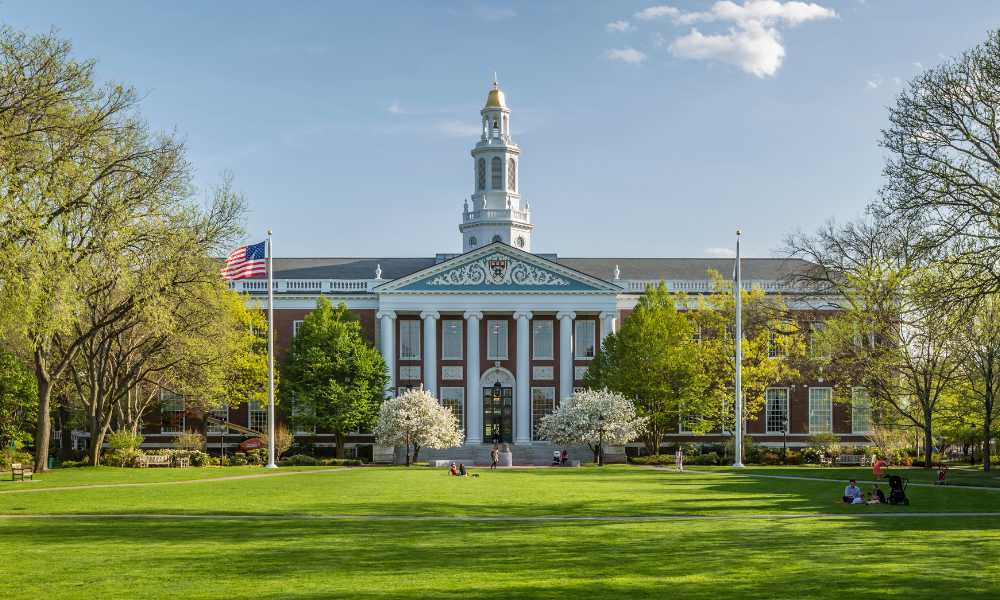
Harvard’s $56.9 billion endowment is adding three new directors to its investment board, including a top JPMorgan executive whose past dealings with deceased sex offender Jeffrey Epstein are drawing renewed scrutiny from Washington and the media.
Harvard Management Company, which oversees the university’s endowment, appointed Paul Edgerley, Mary Callahan Erdoes and Raymond McGuire to its board, the university announced Tuesday last week.
All three are Harvard Business School alumni with long careers in private equity or asset management, aligning with the endowment’s push further into private markets and alternative investments.
A report by the Harvard Crimson, the university's centuries-old newspaper, highlights Erdoes, who runs JPMorgan Asset & Wealth Management, as the most controversial of the trio.
Erdoes' appointment to the board came on the heels the publication of a Democratic staff memorandum from the Senate Finance Committee, which included an analysis of JPMorgan's dealings with Epstein by ranking member Ron Wyden. The analysis drew connections between top JPMorgan executives, including Erdoes, and Epstein’s sex trafficking activities through what it describes as serious and long-running compliance failures.
“When you go through the evidence laid out in this memorandum, it’s clear that JPMorgan Chase ought to face criminal investigation for the way it enabled Epstein’s horrific crimes,” Senator Wyden said in a statement last week.
The memo says Epstein was one of the bank’s largest clients, part of an internal group dubbed the “Wall of Cash,” and that senior executives maintained close oversight of the relationship even after his 2008 conviction.
The committee’s analysis cites emails and bank records suggesting Erdoes remained in regular contact with Epstein between 2010 and 2013, years after he served a prison sentence on charges related to the abuse of minors. According to the memo and prior court filings, JPMorgan ultimately terminated Epstein as a client in 2013 but continued to work with him on projects tied to billionaire Leon Black and other third parties.
JPMorgan has contested that characterization. In a statement to the Harvard Crimson, a spokesperson said the bank repeatedly raised concerns with regulators, noting that it "filed multiple several Suspicious Activity Reports beginning in 2002 but heard nothing back from the government.”
The spokesperson also pointed to the 2013 termination decision and said it was “not until 17 years later that the government made public the sex trafficking details – information they clearly had for years and failed to share with us or other banks.”
Harvard is already under pressure over its historical ties to Epstein. The university recently launched a fresh review of Epstein’s connections to faculty and administrators, including its former president Lawrence Summers, after new House Oversight Committee documents revealed extensive correspondence.
Harvard and its investment arm did not respond to questions from the Crimson about Erdoes’ appointment. In a brief statement, Harvard treasurer and board chair Timothy Barakett framed the new appointments as a win for the endowment’s long-term mission, writing that “Harvard and HMC are very fortunate to welcome these three distinguished alumni to the Board.”

The financial advice industry has been facing inquiries into its cash sweep programs for years now.

Investor money allegedly went to strip clubs, exotic cars, and landscaping

Procyon adds $415 million in assets under management in New Jersey while Savant picks up a $213 million Southern California planning firm

With a growing number of real estate-rich Baby Boomers aging into retirement, some advisors may be failing to consider all the options available for those clients' assets.

Cornerstone Advisors study reveals compliance bottlenecks stall campaigns weeks after customer opportunities close.
As AI makes financial information more accessible than ever, Lana Hock explains why human judgment, trust, and empathy remain the qualities clients value most in a financial advisor
Northern Trust’s Ken Lassner shows advisors how to convert volatility into after-tax portfolio gains

