
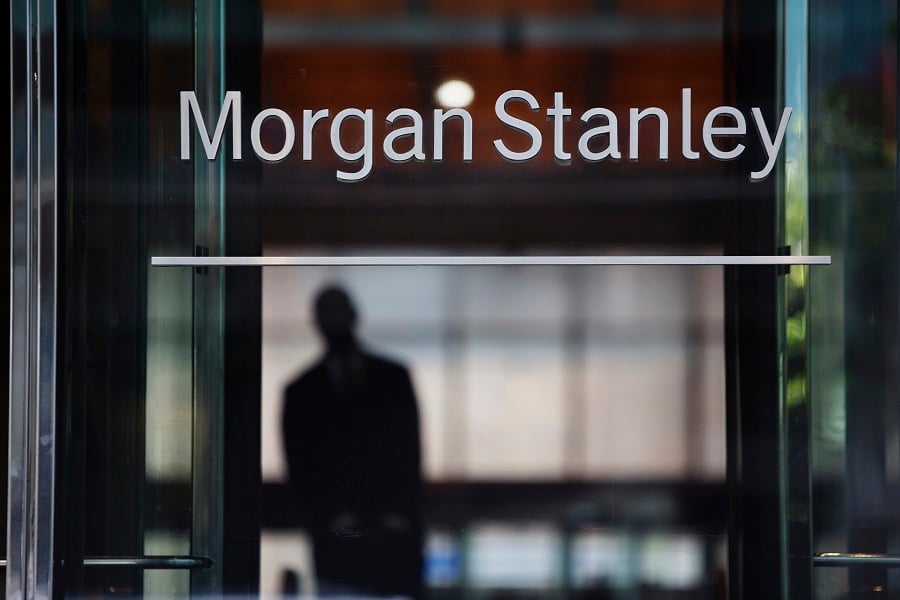
Morgan Stanley sold $5 billion of shares owned by Archegos Capital Management a day before a deluge of block trades sent shockwaves across capital markets.
The sale of the basket of shares on March 25 was completed at a fixed discount, according to a person with knowledge of the matter, who asked not to be identified discussing private transactions.
The Wall Street bank sold shares held by Bill Hwang’s family office in about 10 companies after the market close, mainly to hedge funds, the person said. CNBC reported earlier Tuesday on the size of the stock sale.
Morgan Stanley’s early exit helped the firm emerge largely unscathed from a fund flameout that’s inflicted billions in losses at other banks. Credit Suisse Group on Tuesday announced a $4.7 billion writedown tied to its exposure to Archegos, and Nomura Holdings Inc. has said it could take a hit of as much as $2 billion.
Morgan Stanley was one of the early backers of the family office despite the legal taint tied to Hwang. He was accused of insider trading by authorities and in 2012 pleaded guilty to wire fraud on behalf of his hedge fund, Tiger Asia Management.
A spokesman for Morgan Stanley declined to comment.

Goldman Sachs retirement survey finds 83% want guaranteed income, while the annuities providing that income increasingly hold private credit.

The AI meeting assistant's Advisor Intelligence plugin turns client conversation data into annual reviews, tax scans and attrition alerts.
Chuck Roberts and Stifel have been facing scrutiny due to sales of structured products and structured notes.

Among other updates, the proposals would let advisors to regulated funds earn performance fees and allow interval funds to offer monthly repurchases.

What will financial advice look like 20 years from now? Evan Vladem explores how AI may transform wealth management while reinforcing the enduring value of human guidance, trust, and empathy.
As AI makes financial information more accessible than ever, Lana Hock explains why human judgment, trust, and empathy remain the qualities clients value most in a financial advisor
Northern Trust’s Ken Lassner shows advisors how to convert volatility into after-tax portfolio gains

