
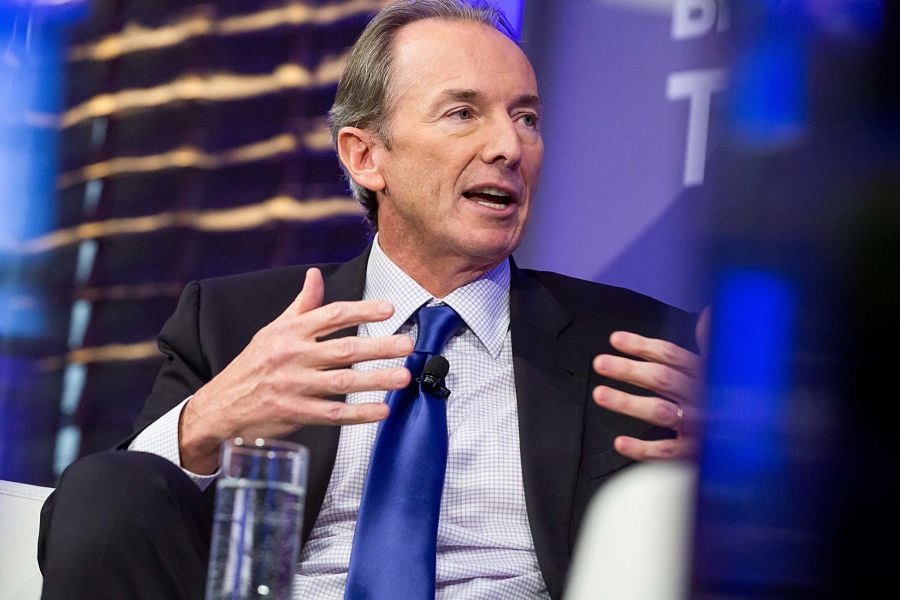
James Gorman, Morgan Stanley’s chief executive, told employees in a video Thursday that he has fully recovered from COVID-19 after experiencing symptoms nearly a month ago and self-quarantining at home.
Gorman, 61, said he continued taking regular calls with Morgan Stanley’s operating committee and board of directors, and didn’t experience severe symptoms, according to a Reuters story.
The video was the first time Morgan Stanley had shared with anyone beyond the boardroom and executive suite that its CEO had tested positive for the respiratory disease, Reuters said. It became public knowledge once news outlets learned of the message.
The Securities and Exchange Commission requires public companies to disclose material facts to the public, but there is widespread debate about when corporations must disclose information about the health of an executive, corporate governance lawyers told Reuters.

The financial advice industry has been facing inquiries into its cash sweep programs for years now.

Investor money allegedly went to strip clubs, exotic cars, and landscaping

Procyon adds $415 million in assets under management in New Jersey while Savant picks up a $213 million Southern California planning firm

With a growing number of real estate-rich Baby Boomers aging into retirement, some advisors may be failing to consider all the options available for those clients' assets.

Cornerstone Advisors study reveals compliance bottlenecks stall campaigns weeks after customer opportunities close.
As AI makes financial information more accessible than ever, Lana Hock explains why human judgment, trust, and empathy remain the qualities clients value most in a financial advisor
Northern Trust’s Ken Lassner shows advisors how to convert volatility into after-tax portfolio gains

