
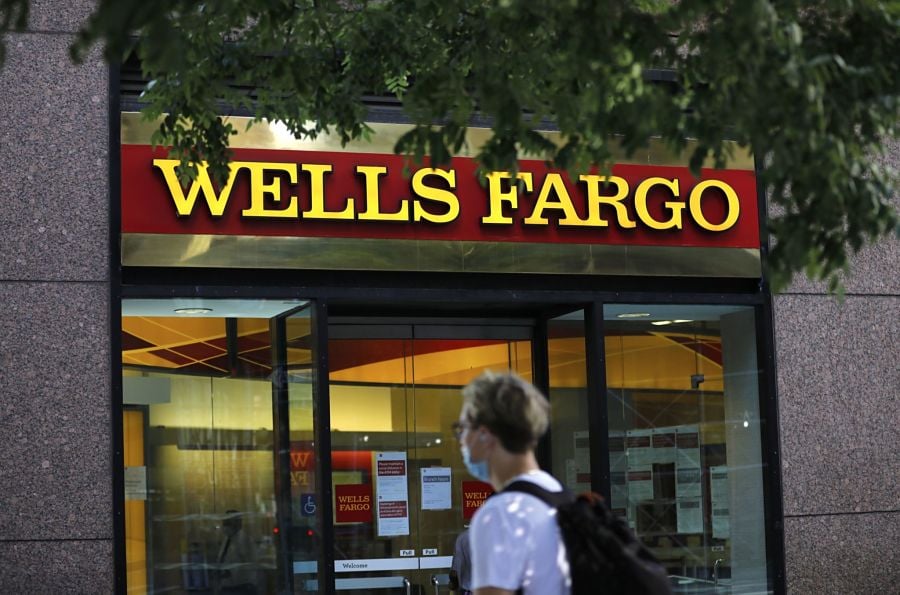
Wells Fargo & Co. got another regulatory order lifted, the latest sign of progress for Chief Executive Charlie Scharf’s quest to turn around the scandal-plagued bank.
The Office of the Comptroller of the Currency terminated a 2015 order over add-on products that Wells Fargo improperly sold to customers, according to a statement Thursday.
“Wells Fargo’s top priority is building a risk and control infrastructure appropriate for its size and complexity,” the San Francisco-based bank, which stopped selling the products in 2017, said in a separate statement. “The termination of the 2015 consent order is a step in this work, as the company continues to focus on resolving legacy regulatory issues.”
The order was put in place before the firm’s scandals erupted in 2016 with the revelation that employees opened millions of fake accounts to meet sales goals. Wells Fargo’s regulatory problems multiplied in subsequent years and nine public orders still remain in place, including a costly asset cap from the Federal Reserve.
This is the second OCC action that has been terminated under Scharf, and a Consumer Financial Protection Bureau order expired last year. Still, the firm was handed a fresh sanction from the OCC in September and Scharf has repeatedly said that, while he believes the bank is making progress, there will continue to be “setbacks.”

CFP, CFA and CPA holders could gain accredited investor status as regulators weigh wider private market access for advisory clients

DeepVest, Vanilla and Libretto roll out tools to help financial advisors launch firms, close estate plans and sharpen planning skills

“People aren't effectively using their wealth in retirement,” said David Blanchett of Prudential.

Second-generation NFL ref Shawn Hochuli co-founded IWM Partners in Irvine, California, a wealth management practice with more than $500M in client assets

U.S. seniors lose $28.3 billion annually as a result of financial exploitation, according to a 2023 AARP study.
As AI makes financial information more accessible than ever, Lana Hock explains why human judgment, trust, and empathy remain the qualities clients value most in a financial advisor
Northern Trust’s Ken Lassner shows advisors how to convert volatility into after-tax portfolio gains

