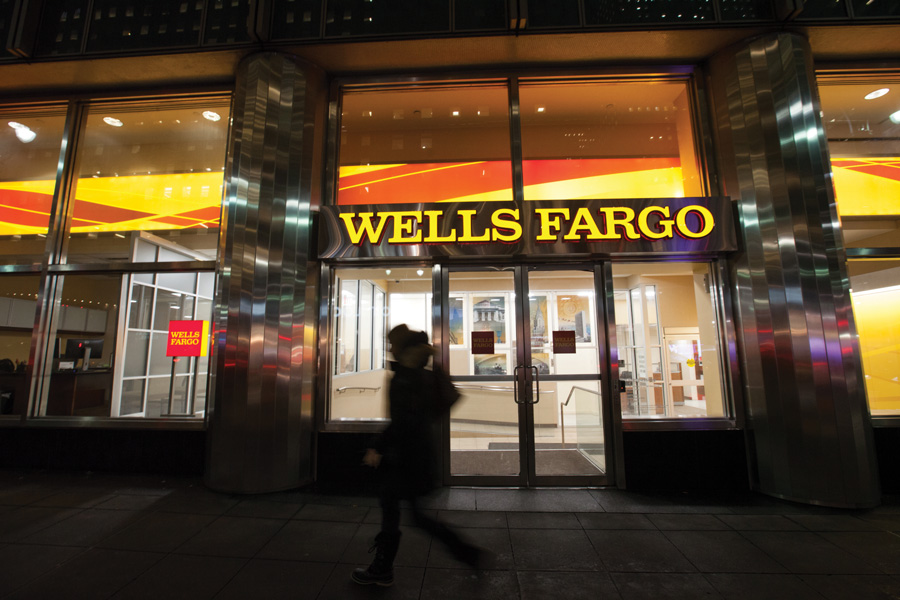
Wells Fargo & Co. will pay a $65 million penalty to New York state related to its cross-selling practices.
The bank failed to disclose to investors that the success of its cross-selling — the pitching of additional financial products to existing clients — was built on "sales practice misconduct at the bank," state Attorney General Barbara Underwood's office said in a statement Monday.
"The misconduct at Wells Fargo was widespread across the bank and at every level of management — impacting both customers and investors who were misled," Ms. Underwood said in the statement.
The settlement is the latest cost for Wells Fargo stemming from a
consumer-banking scandal that erupted in September 2016, when the bank disclosed that it opened as many as 3.5 million fake accounts on behalf of customers who didn't want them. The lender has faced elevated expenses over the past two years stemming from fines and legal costs.
Earlier this year, Wells Fargo settled with the Office of the Comptroller of the Currency and the
Consumer Financial Protection Bureau for an unprecedented $1 billion over issues in auto lending and mortgages. It also reached a $480 million settlement with investors who accused the bank of securities fraud related to the scandal.
(More: Ex-Wells Fargo brokers sue for damages, claiming they lost business in wake of scandals)
Wells Fargo still faces a bevy of other lawsuits and probes from federal, state and local government agencies on related matters.
"We are pleased to reach this agreement," Wells Fargo said in a statement about the settlement with New York state. "Wells Fargo did not admit liability, and we believe that putting this matter behind us is in the best interest of all of our stakeholders, including customers. The settlement costs have been previously accrued."
Wells Fargo said that it's "making strong progress in our work to rebuild
trust," with the New York settlement representing "another step forward."
The claims in the settlement relate to product sales goals that were eliminated in 2016, the bank said.
(More: Is the worst over for Wells Fargo Advisors?)