
For many Olympians, winning gold is the dream come true, but a secure financial future soon becomes the dream once the Star-Spangled Banner is played and the tears are dry.
Now the 2024 Olympic games have drawn to a close, and with many athletes set to begin another grueling Olympic cycle ahead of Los Angeles 2028, Lauryn Williams, founder of RIA Worth Winning, will be helping several of them – specifically Team USA athletes – plan for their future.
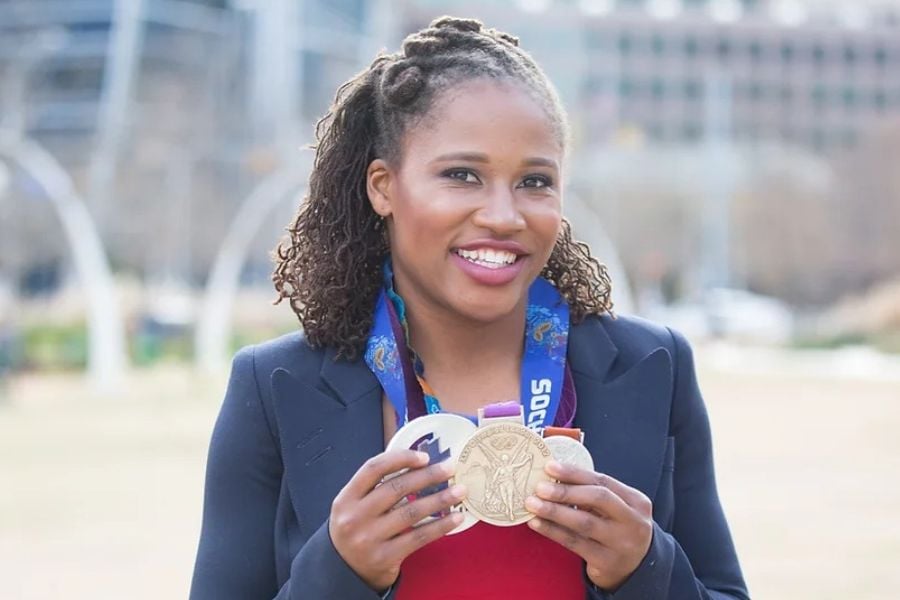
She knows the life of an Olympian all too well. After all, she was the first American women to win a medal in both the summer and winter games. Having won silver in the 100 meters in Athens in 2004, she bagged gold in the 4x100m relay at London 2012 before winning silver in the two-woman bobsleigh in Sochi in 2014.
“In Olympic sports, and particularly track and field, the main way you earn money is to have been sponsored by a shoe company,” Williams explained. “The dream as a pro track and field athlete is to get a sponsor that will allow you to train full time versus having to go to work and also train. The sponsorships are the main way that we earn a living as Olympic athletes.”

The first thing Williams realized when she went pro was that she did not have enough knowledge to know what to do with her earned money, despite being a finance major before becoming an full-time athlete.
“I didn’t want to make a bad decision,” she said. “What do you do when you don't want to make a bad decision? You ask somebody for help.”
Unfortunately, her first encounter with a financial planner was not ideal - they sold her a million dollars of life insurance and were too investment focused.
“At 20, what I needed was financial literacy," she said. "I didn't know a lot about making a budget. I wanted to buy a car. I wanted to buy a home. Just do some of the basic things.”
While she did eventually found herself an advisor who focused on athletes, she recalled being “lost in the shuffle” among NFL clients whose income surpassed her own. This frustration led her to become her own financial planner, enrolling in the CFP course and learning about all other aspects of wealth management. After retiring from sport in 2014, she launched her financial planning firm Worth Winning in 2016 to help other professional athletes get the financial advice she missed out on.
“The more I probed and asked questions, I realized how uncomfortable people were talking about money,” she said. “A lot of my peers were not organizing their finances either and hadn't bothered to reach out to anyone, just because they didn't have a frame of reference for what it looks like, how to do it or how to find someone to trust.”
Initially, she targeted her services towards fellow athletes and young professionals, but soon realized the limitations of this approach.
"I wasn't taken very seriously among my peers," she said. "They could only see me as an athlete, so they didn't understand that I had the licenses and expertise to be a professional financial advisor."
Williams pivoted her business model to focus on providing financial education and wellness programs to organizations and institutions. Her 12-part financial planning curriculum covers a range of topics, from money mindset and budgeting to retirement planning and tax strategies, empowering participants to take control of their financial futures.
She also offers retreats in Medellín, Colombia, where she currently lives, for participants to combine financial education with wellness activities like yoga and mental health workshops.
Williams believes athletes face a lot of financial obstacles, highlighting that the US Olympic team is the only team that typically doesn’t receive any government funding. As a result, they’re left to “figure it out themselves.”
“The Olympics is a dream for a lot of us and a lot aren’t going to sacrifice that dream … they are willing to go into debt in order to be able to pursue their dream,” Williams said.
Williams added athletes will often work at a minimum wage job making $12 or $15 dollars an hour, doing seasonal work and putting away as much cash as they can so that they have some money for the season.
But as she explains, they usually run out of money before the season is over because of various expenses related to their sport and end up charging the rest of their expenses on a credit card, accumulating thousands of dollars in debt.
That’s why she encourages athletes to seek financial support through a financial advisor and have a plan in place by starting early, putting money away into a retirement account.
Ultimately, her mission is to educate athletes by being strategic about taking on their debt and figuring out what skillsets they have to make a career after they retire from sport. “Most Olympic athletes are not retiring based on what they earned over the course of their Olympic career,” Williams highlighted.
“It's important that athletes have financial literacy and that they organize their finances, because the window of earning is really small,” she added. “There's a whole lot of life to live after sport.”

Two wealthtech providers are handing advisors the controls, letting firms design their own workflows and AI agents in plain language.

Edwin Lickiss earlier admitted that he defrauded at least 93 victims of over $9.5 million from 1998 through 2024.

New research shows Americans want control over their money but lack the confidence to take action – and advisors are the bridge.

Retire Through Ownership Act lets ESOP fiduciaries rely on independent appraisals, closing a decades-old valuation gap for private company stock.

The breakaway-focused platform's senior hires from Wells Fargo, Bluespring and Hightower deepen its bench for growth and succession planning.
Northern Trust’s Ken Lassner shows advisors how to convert volatility into after-tax portfolio gains
Dan Biagini of American Equity says the steady decline of pensions, longer lifespans and a reset in interest rates are rewriting how advisors build retirement income

