
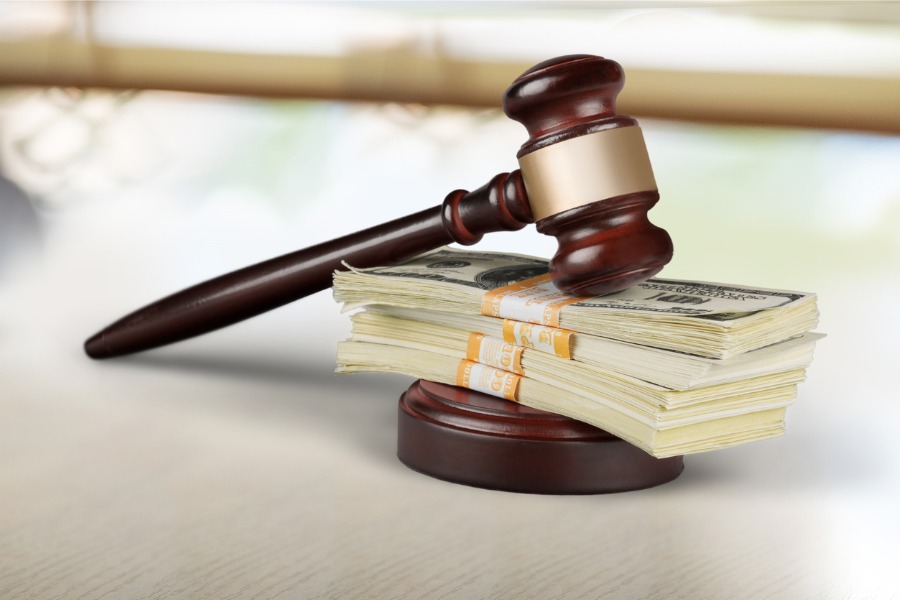
A Southern California registered representative and a broker-dealer executive on Monday lost an arbitration claim of a little more than $1 million in damages to an investor who bought GWG Holdings Inc. L bonds in 2018.
Dozens of broker-dealers sold about $1.6 billion in GWG L bonds, so-called because they were backed by life-settlements, before the firm declared bankruptcy last year, leaving investors in the lurch and potentially inclined to sue their broker or firm who sold them GWG bonds.
The three-person panel, operating under the aegis of the dispute resolution arm of industry self-regulator Financial Industry Regulatory Authority Inc., cited fraud, breach of fiduciary duty and negligence on the part of the broker, Michael Barrows; the executive, Eric J. Ludovico, was cited for fraud and negligence in supporting the claims for the award.
The arbitration award, at 10 pages, was unusual for its detail and wording; most Finra arbitration decisions simply confirm or deny an investor's claim for damages without any kind of explanation.
The claimant, Ronald J. Inlow, bought the bonds with his savings, said his attorney, Kal Nekvasil. "My client is an electrical contractor and had a million in cash. And the financial advisor recommended he put the entire amount in GWG L bonds."
The award appears to be the largest yet for a claim involving GWG bonds, according to a scan of Finra's arbitration claims that have resulted a panel's decision.
"Their defense was, 'Who would know there were problems at GWG?'" Nekvasil said. "We have well over 100 GWG arbitration claims, and that number is mounting."
Inlow filed his claim last year. The compensatory damages he was awarded totaled $1,035,000, including interest. The panel also denied Barrows' and Ludovico's request for expungement, meaning erasing the claim from their work profiles. A third executive, Mark Stewart, was sued but not found liable for any damages.
GWG Holdings is in bankruptcy proceedings and it's not clear what value, if any, the L bonds have.
In 2018, Barrows and Ludovico were registered at Accelerated Capital Group, a Costa Mesa, California, broker-dealer that Finra expelled from the securities industry in 2019 after the firm had been in business for 22 years but failed to pay $400,000 in fines resulting from regulatory matter, according to its BrokerCheck report. Both Barrows and Ludovico are now registered with M Stevens Securities in Irvine, California, and did not return calls Tuesday morning to comment.
The three arbitrators cited securities industry Rule 10b-5 in its decision; it's a cornerstone in fraud rulings involving buying or selling a security.
"In making this determination, the panel concluded that, on the basis of the evidence presented, [Inlow] did not show by a preponderance of the evidence that the securities in question, in this case GWG L Bonds, was unsuitable for all customers, but did show by a preponderance of the evidence that such securities were unsuitable for claimant Ronald J. Inlow in the quantities purchased," according to the decision.

Goldman Sachs retirement survey finds 83% want guaranteed income, while the annuities providing that income increasingly hold private credit.

The AI meeting assistant's Advisor Intelligence plugin turns client conversation data into annual reviews, tax scans and attrition alerts.
Chuck Roberts and Stifel have been facing scrutiny due to sales of structured products and structured notes.
Among other updates, the proposals would let advisors to regulated funds earn performance fees and allow interval funds to offer monthly repurchases.

What will financial advice look like 20 years from now? Evan Vladem explores how AI may transform wealth management while reinforcing the enduring value of human guidance, trust, and empathy.
As AI makes financial information more accessible than ever, Lana Hock explains why human judgment, trust, and empathy remain the qualities clients value most in a financial advisor
Northern Trust’s Ken Lassner shows advisors how to convert volatility into after-tax portfolio gains

