
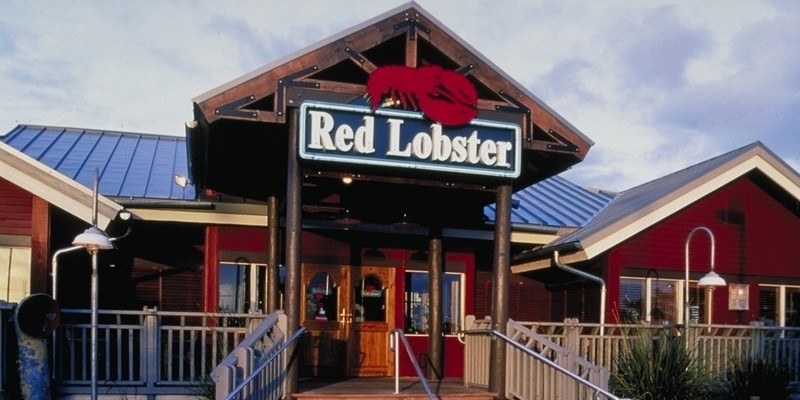
With around 700 locations, Red Lobster restaurants have been a part of the triple-net lease investment pool since 2014, when the former nontraded real estate investment trust Czar Nicholas Schorsch acquired the properties of about 500 seafood restaurants from Darden Restaurants Inc. in a $1.5 billion sales leaseback deal.
Schorsch's flagship REIT at the time, American Realty Capital Properties Inc., acquired the Red Lobster real estate while Golden Gate Capital bought the business of the restaurant chain. It was one of the last major deals various REITs controlled by Schorsch pulled off before an accounting scandal in October 2014 derailed the longtime real estate investor, eventually forcing him out as the leader of American Realty Capital Properties.
Jump forward a decade, and various REITs that own Red Lobster properties appear to be holding up despite the news that the U.S.-based restaurant chain over the weekend filed for Chapter 11 bankruptcy protection in a Florida court after securing $100 million in financing commitments from its existing lenders, according to Reuters and various other reports.
Reuters later reported that the company is investigating the role its majority owner Thai Union played in the restaurant chain's "endless shrimp" promotion that caused $11 million in losses, court documents showed.
Broadstone Net Lease Inc. and Four Corners Property Trust Inc. both own 18 Red Lobster properties. Shares of both were down less than a percentage point on Monday when the market closed.
Realty Income Corp., the largest net lease REIT that owns about 200 Red Lobster locations and purchased legacy Schorsch assets, was down less than a half a point to close at $54.98.
Red Lobster has "gone through several changes in terms of ownership," said Realty Income's CEO, Sumit Roy, in a conference call this month to discuss earnings. "Obviously, there have been several changes in terms of management. And this is a business that, in our opinion, hasn't been very well run."
"They have $220 million of debt, and this is really a question of, is there an operator out there that could come in and basically manage this business even to a reasonable level of margins," he said.
"There are credit risks in net lease sector," said Jordan Flannery, REIT analyst, with Cohen & Steers. "Bankruptcy and restructuring of these companies are all regular occurrences of net lease business models, which can be episodic."
The move by Red Lobster has been widely anticipated for weeks. The company listed its assets and liabilities to be between $1 billion and $10 billion, according to Reuters. And Red Lobster said its restaurants will be open and operate as usual during the bankruptcy proceedings, and plans to reduce its locations as well as pursue a sale of substantially all its assets.
Under a triple-net lease, the tenant is responsible for paying all operating expenses, property taxes and insurance. In traditional property sectors, landlords bear the responsibility for most of those expenses. Net-lease real estate was one of the most popular sectors for nontraded REITs after the credit crisis and real estate crash of 2008.

Six-figure losses, social media lures and impostor schemes are draining older clients’ savings, report to Congress shows

William Tunink, an industry veteran, was indicted for running a Ponzi scheme this month in Des Moines.

Broker-dealers will soon share targeted returns under SEC-approved Rule 2210 changes, but one securities lawyer warns the regimes aren’t identical.

Insurers ranking independent broker-dealers ahead of RIAs for near-term growth as fee-only fiduciaries still find annuities a hard fit

Most voters 50-plus in swing districts favor candidates backing a caregiver tax credit, as caregiving drains retirement savings
Knighthead Life entered the market with a competitive MYGA. A strong launch earned advisor confidence and paved the way for FIAs.
As AI makes financial information more accessible than ever, Lana Hock explains why human judgment, trust, and empathy remain the qualities clients value most in a financial advisor

