
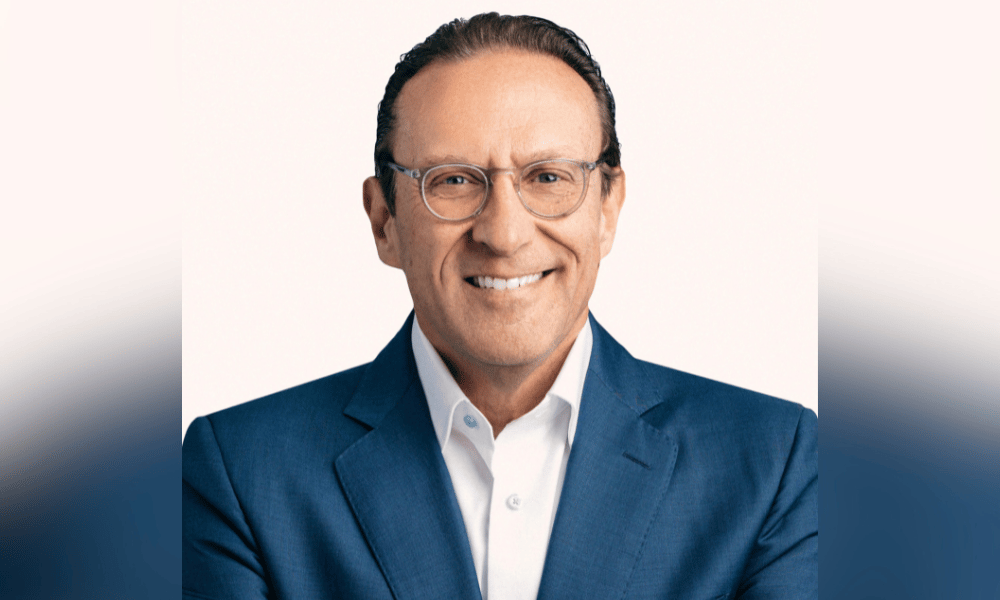
Peter Aliprantis has spent more than 25 years watching advisors try to navigate private markets - first from the distribution desks of FrontPoint Partners and TPG Angelo Gordon, and now as a partner and head of private wealth Americas at EQT, the Stockholm-headquartered investment firm that oversees approximately €341 billion across private capital and real assets.
"The biggest mistake is treating a private markets allocation like a single product decision rather than a portfolio construction decision," Aliprantis told InvestmentNews. "Writing one check into one product and calling the job done."
It is a pattern he sees often and one he believes is becoming harder to sustain as clients themselves grow more sophisticated.
The conventional wisdom is that advisors are driving their clients into private markets. Aliprantis pushes back on that framing.
"It's less about a temporary rotation or advisors chasing a trend, and more about client demand catching up to a structural reality," he said. "Most economic growth happens in companies that might never end up in public markets."
That structural case is gaining traction in the data. Hamilton Lane's 2026 Global Private Wealth Survey of 390 financial advisors worldwide found that 86 percent of private wealth professionals plan to increase private market investments in the year ahead, with portfolio optimization as the top motivator.
Aliprantis said the shift is visible in how conversations with clients have evolved. Advisors who once had to explain what private equity was are now fielding sharper questions about vintage diversification, GP track records, and deal flow quality.
"Clients are asking sharper questions about private markets than they were even a few years ago," he said. "And advisors have become more sophisticated in navigating between evergreen structures and GPs to find the quality that actually matches what their clients need."
For advisors building out their understanding of how private markets are reshaping wealth portfolios, the pace of that evolution presents both an opportunity and a responsibility.
According to Hamilton Lane's survey, 46 percent of respondents named infrastructure as the strategy to which they plan to increase allocation in 2026, just behind venture capital and growth at 47 percent. But Aliprantis is quick to distinguish between different types of infrastructure exposure.
"EQT takes an active, private-equity-style approach to infrastructure, distinct from the traditional passive model of collecting yield from assets like toll roads, ports, and regulated utilities," he said. "We're typically investing in companies at an earlier phase of their lifecycle - what's known as value-add infrastructure - meaning that we're focused on growth, scale, operational improvement, and getting the right management in place."
The clearest opportunity right now, in his view, is the infrastructure that underpins artificial intelligence such as data centers, renewable energy platforms, and fiber networks.
"We're not betting on which platform wins, whether that's Claude, ChatGPT, Gemini, or anyone else," he said. "We're focused on the underlying infrastructure that lets any of them exist."
That picks-and-shovels logic owning the rails rather than the trains is increasingly common in institutional portfolio construction. Aliprantis believes it translates naturally to the wealth channel, provided advisors understand what they are buying.
The democratization of private markets access has come primarily through evergreen vehicles including interval funds, non-traded REITs, and business development companies that lower the minimum investment and liquidity barriers that historically kept wealthy individual investors on the sidelines.
Aliprantis views that accessibility as genuinely positive, but adds a caveat that he says is still underweighted in advisor conversations.
"Not all evergreens are created equal," he said. "Easier access for wealth investors doesn't mean equal access — clients and advisors both need to look under the hood at the quality of the deal flow an evergreen vehicle is actually offering exposure to."
The questions he wants advisors to ask before committing capital: Are wealth investors accessing the same deal pipeline as the GP's institutional clients, or a different tier of opportunities? Is the vehicle diversified across regions, sectors, and vintages - or concentrated in a single market or strategy?
"The advisors doing this well are the ones asking these questions upfront," he said, "not assuming that easier access means equivalent quality."
Aliprantis is also skeptical of the idea that there is a right sequence for building out a private markets allocation; that advisors should start with private equity, then layer in credit, then add infrastructure. Private market allocation strategies have evolved significantly as the wealth channel matures and Aliprantis says historical entry patterns often reflect product timing rather than investment logic.
"Capital naturally flows in and out of different sectors over time," he said. "The important question isn't which asset class comes first - it's making sure your portfolio is truly diversified across asset classes, sectors, and geographies."
Getting it right, he says, looks like treating private markets the way a good advisor treats any other asset class: diversified, sized to the client's actual liquidity needs, and revisited over time rather than set once and forgotten. For the advisors who approach it that way, Aliprantis sees a durable opportunity - one that is structural, not cyclical, and one that is not going away.

Betterment, F2 Strategy and WealthReach push AI deeper into advisory firm operations with three deals this week.

Retirement expectations widen from reality, according to Natixis Investment Managers' annual Global Retirement Index.

Half of planners have seen clients raid retirement savings or cut contributions as affordability pressures mount, CFP Board finds

In a constant fight over control of clients, the financial advice industry has a long history of such allegations and disputes.

Retirement fintech Vestwell has hit profitability and $200 million in annual recurring revenue, powering savings programs for 750,000 employers and Wall Street’s biggest firms
As AI makes financial information more accessible than ever, Lana Hock explains why human judgment, trust, and empathy remain the qualities clients value most in a financial advisor
Northern Trust’s Ken Lassner shows advisors how to convert volatility into after-tax portfolio gains

