
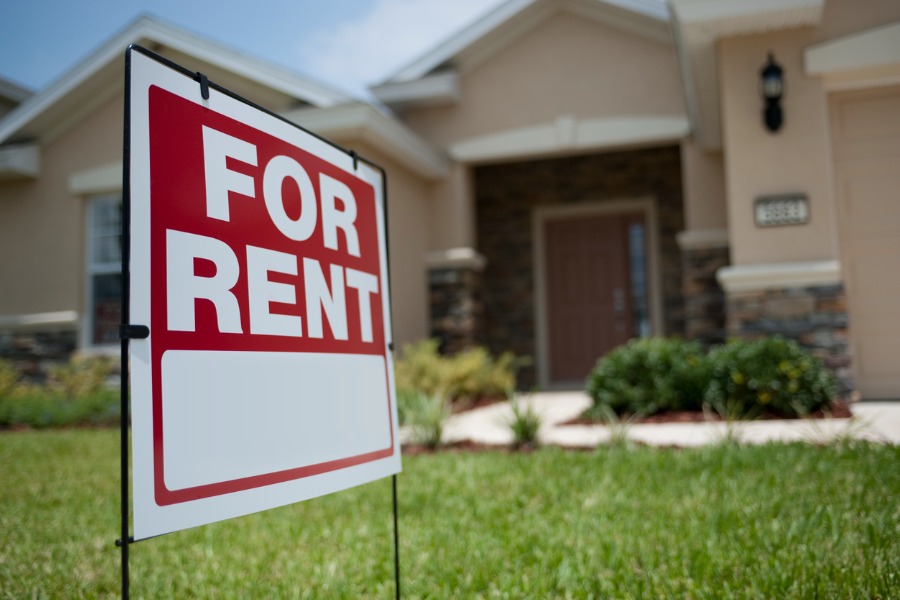
American households looking to get more space without stretching their finances have new data to work with. Home-sale prices fell for the fourth consecutive week through November 8, 2026, while a separate analysis from Zillow found that a family comfortably renting a single-family home would need $14,408 more in annual income to afford the same property with a mortgage - a gap that is driving rental demand to its highest level in years.
According to real estate brokerage Redfin, the median U.S. home-sale price stood at $388,613 for the four weeks ending November 8, 2026, down 0.9% year over year. That marks four consecutive weekly declines following three years of uninterrupted price increases. The median monthly mortgage payment fell to $2,755 at a 7.18% rate - the lowest in six weeks and down from $2,820 a month earlier, Redfin reported.
Despite that modest relief, the market remains largely frozen. Pending home sales were essentially flat week over week, sitting at the lowest level in Redfin's records dating to 2021. Daily average mortgage rates dipped to a six-week low of 7.17% last week before ticking back up following a hotter-than-expected inflation report.
The numbers underscore a broader structural shift: the premium for ownership has rarely been this steep relative to renting.
Zillow's October 2026 Rental Market Report puts the gap in sharp relief. A household earning enough to comfortably cover the typical single-family rent of $2,243 per month - meaning housing costs do not exceed 30% of gross income - would need to earn $89,724 annually.
To qualify under the same standard for buying, with a 20% down payment, that household would need $104,132 a year. The difference of $14,408 is now the widest it has been since early 2025 and more than double the $6,463 gap recorded in February 2026, when mortgage rates briefly fell below 6%.
"For a growing number of households, renting a house is a legitimate financial strategy," said Kara Ng, senior economist at Zillow. "You get many of the lifestyle benefits, but it takes less income than owning and keeps more flexibility in the monthly budget. That's the appeal for the deliberate renter."
The income gap varies considerably by geography. In San Jose, California, the spread between what a household needs to rent and what it needs to own a single-family home is $214,364 - the widest of any major metro. San Francisco follows at $139,353, then San Diego at $84,101, New York at $78,208 and Los Angeles at $78,003. At the other end of the spectrum, Pittsburgh's gap is just $2,554, and Buffalo, New York is the only market where buying requires no income premium over renting.
The financial math is translating into behavior. Zillow's Observed Renter Demand Index rose 22.1% year over year nationally through October 2026, with single-family rental demand up 24.3% - roughly double the 12.1% gain posted by multifamily rentals. San Jose led all markets with a 78.9% jump, followed by San Francisco at 60.5% and Austin at 59.6%.
Supply conditions are reinforcing the buyer-side squeeze. Active listings across the U.S. were essentially unchanged week over week, while there are approximately 600,000 more home sellers than buyers nationally, according to Redfin. Sellers listed 21% of homes with price reductions, up from 20.5% a year ago, and just 22.7% of homes sold above list price, down from 23%.
For advisors working with clients on wealth-building strategies that touch real estate, InvestmentNews' coverage of the housing affordability debate has tracked how shifting cost dynamics are reordering the rent-versus-buy calculus for investors and owner-occupants alike. And as the wealth transfer accelerates, the InvestmentNews Rising Stars 2026 report spotlights the next generation of advisors guiding clients through exactly these kinds of complex financial crossroads.
For advisors whose clients are weighing a home purchase, Zillow's data adds an important variable beyond the mortgage rate alone: the break-even timeline.
Zillow's own analysis puts the national average at 7.8 years - the number of years a household must own a home before buying produces a better financial outcome than renting. That figure does not account for the down payment itself, which 46% of buyers draw from two or more sources, including family gifts and down payment assistance programs, according to Zillow's 2026 Consumer Housing Trends Report.
Redfin's data also points to a condo-specific dynamic worth flagging. Condo sellers now outnumber buyers by more than two to one nationally, giving condo purchasers unusually strong negotiating leverage at a time when other segments of the market remain competitive in select metros.
Across the board, the data from both Redfin and Zillow point in the same direction: for most U.S. households, the financial case for buying a home has not improved materially even as prices edge lower. With rates still above 7% and the income premium for ownership near its recent high, the rent-versus-buy conversation is one that more clients are likely to revisit - and one that advisors are increasingly well-positioned to lead.

Record quarterly sales and 450 advisor hires in 18 months signal a wealth management transformation underway at Prudential

Thrivent Investment Management Inc. in May fired Nicholas Hale, according to his BrokerCheck profile.

About 70 bank and credit union advisors move to the Raymond James platform, while a $480M New Jersey team goes independent with LPL

The best tax plan asks not only how much a client could save, but what they would have to give up to save it.

A 20-year financial services veteran brings values-driven planning expertise to the St. Louis-based RIA.
Growing wealth, evolving priorities, and untapped opportunities are reshaping how women approach long-term investing.
Knighthead Life entered the market with a competitive MYGA. A strong launch earned advisor confidence and paved the way for FIAs.

