
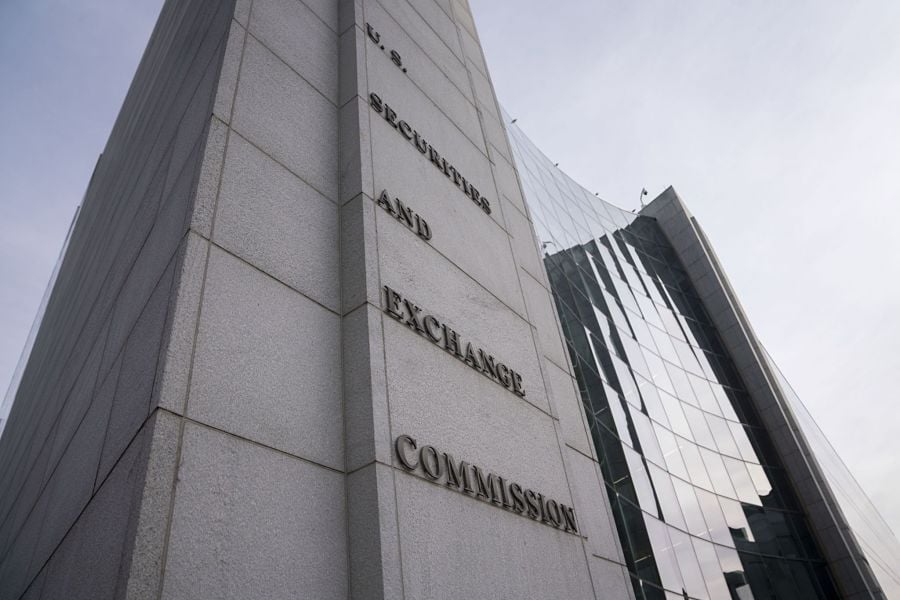
Less than a week after charging GPB Capital executives with fraud, the Securities and Exchange Commission on Monday asked a federal judge to put an outsider in charge of the business to protect investors who own GPB private placements and avoid any further potential problems at the firm.
The SEC last Thursday charged senior executives at GPB Capital with running a Ponzi-like scheme that raised over $1.8 billion from 17,000 investors. At the same time, the Justice Department unsealed a criminal indictment in the Eastern District of New York charging the three GPB executives, David Gentile, Jeffrey Schneider and Jeffrey Lash, with securities fraud, wire fraud and conspiracy.
The following day, GPB said Gentile was stepping down as CEO “until current matters are resolved,” with CFO Rob Chmiel getting tapped to be interim chief executive. Gentile is the owner of GPB, which raised money from wealthy investors to invest primarily in auto dealerships.
Gentile, Lash and Schneider all pleaded not guilty week, according to a spokesperson for the Justice Department. A spokesperson for GPB did not have a comment by deadline Thursday afternoon.
That change in management is not sitting well with the SEC, which wants an outsider in charge of the company to protect investors' interests. GPB Capital owns three-dozen auto dealerships, according to the SEC, and has reportedly sold a dozen more in the past year.
"The principal source for potential investor recovery is revenue generated by the several dozen automobile dealerships owned by GPB Capital," according to the SEC's court filing, which was made in U.S. district court in Brooklyn. "GPB Capital, as it has recently done, can sell its dealerships to generate cash, and Gentile and his handpicked management team should not have unchecked authority over incoming cash that could be used to redeem investors."
"An independent monitor would provide much-needed assurances to the investors, GPB Capital’s counterparties and the public that an unbiased and qualified person who is not beholden to Gentile is vetting any significant transactions and decisions and looking out for the interests of investors," according to the filing.
To fill that role, the Commission wants a veteran attorney with a background in the auto business to run GPB. Joseph T. Gardemal is a managing director with Alvarez & Marsal with a background in forensic accounting and has been "a leading valuation and damages expert in the auto industry for over 20 years, and is therefore particularly well-suited to serve as the monitor for GPB Capital," according to the SEC.
GPB raised $1.8 billion from investors starting in 2013 through sales of private partnerships, but it has not paid investors steady returns, called distributions, since 2018. More than 60 broker-dealers partnered with GPB to sell the private placements and charged customers charged clients commissions of up to 8%.
Gentile, the owner and CEO of GPB Capital, and Schneider, the owner of GPB Capital’s placement agent Ascendant Capital, lied to investors about the source of money used to make an 8% annualized distribution payment to investors, according to the SEC’s complaint. Lash was a former managing partner at GPB.
Those executives, using the marketing broker-dealer Ascendant Alternative Strategies, told investors that the distribution payments were paid exclusively with monies generated by GPB Capital’s portfolio companies, the SEC alleged.
As alleged, GPB Capital actually used investor money to pay portions of the annualized 8% distribution payments, fitting the definition of a Ponzi scheme.
This story was updated Friday afternoon.

A Nationwide survey finds 47% of GLP-1 users have never discussed the drugs’ financial impact with an advisor, even as many dip into savings.

The hundreds of millions of dollars from a sale of Inspired Healthcare properties does not mean an immediate windfall for investors.

Its SEC filings said one thing - a congressional probe said another.

Sham agreements allegedly padded revenue by 345%.

"Most pre-retirees are uncomfortable making key retirement income decisions without an advisor's help," said Chris Bailey of Cerulli.
Knighthead Life entered the market with a competitive MYGA. A strong launch earned advisor confidence and paved the way for FIAs.
As AI makes financial information more accessible than ever, Lana Hock explains why human judgment, trust, and empathy remain the qualities clients value most in a financial advisor

