
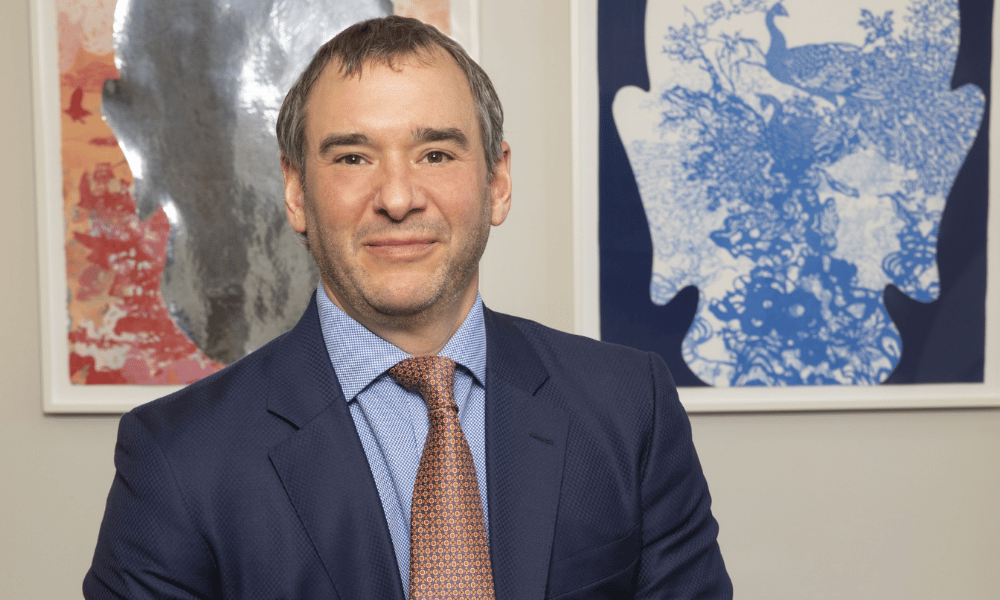
When you’re the co-founder and managing partner of a multi-family office managing assets of around $10 billion for ultra-high-net-worth clients, it’s no surprise to see certain recurring missteps by wealthy clients.
“One of the most common mistakes we see is misjudging liquidity and overcommitting to private investments,” Wes Karger of TwinFocus tells InvestmentNews.
“Many investors, particularly in the 2021 vintage, assumed past exit activity would persist, only to find themselves overconcentrated and constrained when liquidity slowed,” he says. “This limited their portfolio flexibility, philanthropy, and even family spending goals. We remind clients that private investments should complement, and not replace, a well-balanced portfolio and balance sheet.”
When it comes to evaluating early-stage or illiquid opportunities, Karger believes advisors must take a disciplined, data-driven approach.
“While it is easy to be swept up in investing in early-stage narratives around AI or biotech breakthroughs, our Research Team focuses on hard data – questioning growth projections, market size, exit assumptions, risks of permanent impairment, and structuring for tax efficiency,” he explains.
That rigor extends to sponsor track records, alignment of incentives, and operational diligence. Even then, he cautions, most early-stage bets won’t succeed.
“Which is why we urge clients to prudently size positions where if it works, it’s meaningful, but if it doesn’t, it won’t change your life.”
Real estate, often viewed as a safe anchor for wealth, carries its own set of risks when it comes to overconcentration.
“Luxury (personal/residential) real estate often feels safe and tangible, but for wealthy families it can quickly create overconcentration risk by tying up capital in non-income-producing assets with heavy carrying costs,” Karger says.
He frequently sees clients devoting nearly half of their after-tax annual budgets to maintaining multiple underutilized residences.
“The opportunity cost of locking $25 million into a ski home used only a few weeks per year can amount to millions annually,” he explains, adding that he encourages families to weigh the true lifestyle utility of ownership against more flexible alternatives such as renting.
Karger is quick to point out that personal real estate can carry deep lifestyle or legacy value, but it must be carefully balanced.
“We help families distinguish between lifestyle and investment properties, stress-testing carrying costs and benchmarking investment real estate against other opportunities for yield, risk, liquidity, and tax efficiency,” he says.
The goal is always to maintain sufficient allocations to productive, liquid assets that preserve flexibility and support long-term goals.
Another subtle but corrosive risk Karger highlights is lifestyle inflation.
“Lifestyle creep is one of the most subtle but corrosive risks to wealth, particularly for ultra-high-net-worth families. Left unchecked, it can erode liquidity, complicate succession, and foster entitlement in future generations,” he says.”
Karger’s solution is to make lifestyle spending intentional by tying expenditures to family values, educating younger generations early, and structuring assets into defined ‘buckets.’
“We also provide periodic detailed financial reporting so clients have a clear sense of where their annual dollars are spent, which encourages data-driven discussions,” Karger notes.
Different generations naturally prioritize differently.
“Wealth creators may be focused on preservation, while future generations often lean toward spending or impact investing,” Karger says, explaining that TwinFocus integrates governance programs, philanthropy, and financial education across generations, fostering transparency and stewardship from an early age.
Even sophisticated families fall prey to preventable estate planning mistakes, Karger warned.
“One of the biggest mistakes we see is postponing planning until forced by a regulatory change or life event, leading to reactive, and often suboptimal, decisions,” he says.
Another common missteps is failure to coordinate across jurisdictions, ignoring generation-skipping transfer strategies, and overlooking liquidity needs for tax obligations.
“Estates holding primarily illiquid assets may underestimate liquidity needs. This can force distressed sales of prized assets just to cover estate taxes,” Karger explains.
He also stresses the importance of anticipating, rather than reacting.
“The best approach is proactive, integrated planning that brings together legal, tax, and investment expertise to anticipate future events rather than react to them.”
Tools such as trusts, family partnerships, and intra-family lending, when aligned with broader family goals, can minimize tax leakage while ensuring lifestyle continuity.
“Integrated planning allows families to see how investment, tax, estate, and lifestyle decisions intersect and co-exist,” he said. Without that holistic view, families risk piecemeal choices that compromise long-term outcomes.
Finally, Karger sees enormous value in assembling the right advisory structure.
“We recommend assembling a multidisciplinary advisory team led by a family office advisor who can oversee the family’s total balance sheet while coordinating estate attorneys, tax professionals, investment specialists, insurance advisors and governance consultants,” he says.
A multifamily office model, he argues, offers endowment-level rigor with centralized decision-making.
“It provides integrated strategies across disciplines and objective evaluation of opportunities – while delivering the same level of rigorous oversight that large endowments and foundations bring to managing their wealth,” Karger concludes.

Broadridge, Wedbush and Alaris Acquisitions have also filled senior wealth management roles with hires from J.P. Morgan, Osaic and SageView.

Bill would make PE firms liable for portfolio company debts and close carried interest loophole as alternatives push into 401(k)s.

While technical expertise is necessary, sustainable trust is only possible for advisors who know how and when to lean on the emotional side of advice.

Betterment, F2 Strategy and WealthReach push AI deeper into advisory firm operations with three deals this week.

Retirement expectations widen from reality, according to Natixis Investment Managers' annual Global Retirement Index.
As AI makes financial information more accessible than ever, Lana Hock explains why human judgment, trust, and empathy remain the qualities clients value most in a financial advisor
Northern Trust’s Ken Lassner shows advisors how to convert volatility into after-tax portfolio gains

