
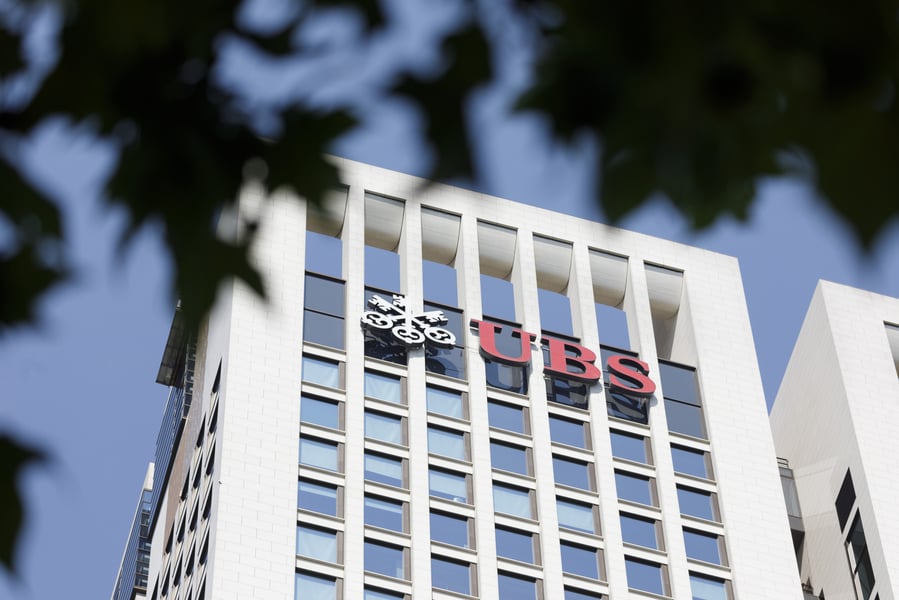
The part of UBS AG global wealth management group operating in the United States and Americas region for the first quarter reported robust results, including net new fee-generating assets, a new metric, of $17.2 billion.
Many consider revenue from fees more attractive to firms because it is steadier, more dependable and less affected by the whims of the broader market and brokers pumping products for commissions.
UBS' wirehouse competitors this month have also reported strong signs of client activity in 2021 as economic growth springs back from the Covid-19 pandemic. For example, Merrill Lynch this month reported advisers working with 6,400 net new households in the first quarter; Morgan Stanley for the first quarter reported new records for net new assets of $105 billion.
The headcount of financial advisers at UBS in the United States and Americas region was fairly static for the quarter at 6,335. That's an addition of 30 net new advisers when compared to the end of December but a decrease of 161, or 2.5%, when compared to the same period last year.
Pre-tax profit for the wealth management Americas group was $467 million, an increase of $87 million, the company reported. Its pre-tax profit for its global wealth management business in the quarter was $1.4 billion, an increase of 16% compared to the end of March 2020.
Meanwhile, UBS disclosed a significant hit from trading losses after the implosion of the family office and hedge fund Archegos Capital Management. UBS booked a $774 million hit from Archegos in the first quarter, according to Bloomberg news.
Net new fee-generating assets is a new performance metric for UBS' wealth management operations.
According to UBS, the new measure captures the growth in clients’ invested assets from net flows related to mandates, investment funds with recurring fees, hedge funds and private markets investments, combined with dividend and interest payments into mandates, less fees paid to UBS by clients.
In the past, UBS had used the term "net new money" each quarter for guidance; that term included, for the most part, revenues generated by assets from commissions and spreads, according to the company. In the first quarter of 2020, UBS reported just $3.3 billion in net new money for wealth management in the Americas.

A Nationwide survey finds 47% of GLP-1 users have never discussed the drugs’ financial impact with an advisor, even as many dip into savings.

The hundreds of millions of dollars from a sale of Inspired Healthcare properties does not mean an immediate windfall for investors.

Its SEC filings said one thing - a congressional probe said another.

Sham agreements allegedly padded revenue by 345%.

"Most pre-retirees are uncomfortable making key retirement income decisions without an advisor's help," said Chris Bailey of Cerulli.
Knighthead Life entered the market with a competitive MYGA. A strong launch earned advisor confidence and paved the way for FIAs.
As AI makes financial information more accessible than ever, Lana Hock explains why human judgment, trust, and empathy remain the qualities clients value most in a financial advisor

