
For wealthy investors piling into private markets, the biggest danger may not be illiquidity or fees. It may instead be owning investments that all hinge on the same bet in the artificial intelligence sector, says an investment strategist at one of the industry’s largest RIAs.
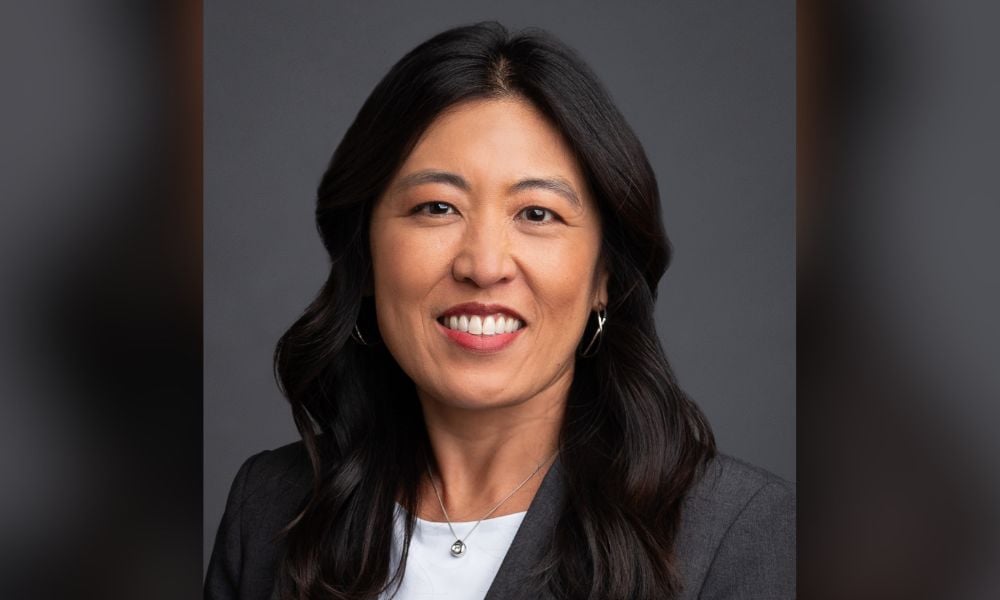
Ayako Yoshioka, senior investment strategist at Wealth Enhancement, explained the hidden risk of AI-heavy portfolios during a recent Goldman Sachs Asset Management webinar on the firm's second annual Alternatives Investor Survey. Yoshioka described Wealth Enhancement as the seventh-largest RIA in the country, with about $160 billion in assets under management as one of the industry’s top acquirers.
"I think for us the biggest risk is just having a false sense of diversification," Yoshioka said. "A portfolio can hold a lot of investments across multiple asset classes and still be exposed to a lot of the same underlying economic or thematic risks. And we're seeing that with AI right now."
She noted that AI has moved well beyond public equities. "We all know that AI has been front and center for public equity markets, but it's also a theme in public fixed income now [as well as] venture and PE and private credit vehicles for financing data centers and real estate."
Goldman’s survey of 1,000 U.S. high-net-worth and ultra-high-net-worth investors found that 63% now view alternatives as high or very high risk – up from 56% a year earlier. Yet 93% of current alts holders said they are happy with their investments; 97% said results met or beat expectations, and 38% plan to increase allocations over the next two years.
Millennials stood out, with roughly 92% already owning alternatives. Investors familiar with the asset class were nearly five times more likely to make a new alternatives investment.
For Yoshioka, the capital influence of AI within public markets, private equity, private credit, and real estate, has contributed to a false perception of diversification in portfolios.
"On the surface, these different asset classes provide diversification, but we all know that if the underlying driver really hinges on greater AI adoption and agentic workflows and data usage, along with the continued insatiable demand for compute. Then all of these have an impact across so many of these asset classes," she said. "We want to really understand what's driving the underlying source of returns. And we want to ask what could cause permanent loss to one of these fund holdings or things like that."
Dennis Bielik, executive vice president at HUB Retirement and Private Wealth, the wealth and retirement unit of insurance broker HUB International, said advisors need to be aware of clients whose wealth already comes from tech to avoid over-exposure from PE funds.
“We have a lot of new tech money from people who worked at tech companies that have concentrated risk,” said Bielik. “If you work for a semiconductor company or a chip company, and you were looking at private equity, let's make sure that we know that that private equity fund might have 30 percent Anthropic based on the most recent valuation. If you are not comfortable with that, we need to make sure we're looking at different industry verticals.”
A year ago, Wealth Enhancement deputy CIO Doug Huber described alternatives as a private complement to public markets in response to Goldman's previous survey. Wealth Enhancement has various business ties to Goldman, it pays a fee to receive referrals from Goldman's Ayco unit, as part of that client referral program that launched for RIAs earlier this year.
Goldman’s new survey additionally found that 91% of millennials would consider alternatives in a retirement account if given the option. President Donald Trump signed an executive order last year directing regulators to expand access to alternative assets in 401(k) plans, and the Labor Department proposed a fiduciary safe harbor in March for plans selecting such investments.
"I think millennials have a head start when it comes to really having a good understanding of what the long-term drivers of their retirement portfolios need to be," added Yoshioka. “Millennials, just their appetite for alternatives, [they are] more educated than I think some of us older folks who are still learning about alternatives.”

Serial acquirers add a 35-year-old Oregon wealth manager and a New York practice focused on women navigating life transitions.

Mara Glassel and Julie Fox will co-lead the fast-growing hybrid RIA’s ultra-high-net-worth and private wealth businesses.

The banking giant's wealth arm extends its revenue streak as it pushes to exit consent orders weighing on growth since 2020.

New Allspring research finds 401(k) participants want guidance on income and rollovers, not just portfolio automation.

Aging homeowners hold record housing wealth - but most advisors still aren't bringing it into retirement plans
Knighthead Life entered the market with a competitive MYGA. A strong launch earned advisor confidence and paved the way for FIAs.
As AI makes financial information more accessible than ever, Lana Hock explains why human judgment, trust, and empathy remain the qualities clients value most in a financial advisor

