
Retail banks are falling short of customers’ expectations when it comes to financial advice and guidance, according to a new study from J.D. Power.
Although 69% of customers feel financially unhealthy, only 38% recall receiving personalized financial advice from their bank. Among those, just 55% said the advice completely met their needs.
This is a missed opportunity for banks, as customers who receive personalized advice on inflation, market volatility and rising interest rates give high customer satisfaction scores, said Jennifer White, senior director for banking and payments intelligence at J.D. Power.
“Banks are sitting on a gold mine of customer goodwill and significant opportunities to build lifetime customer value by delivering financial advice and personalized guidance to their customers,” White said in a statement. “When advice hits the mark, customer satisfaction increases 228 points, but most bank customers still don’t recall ever receiving such advice.”
J.D. Power’s study collected responses from 6,532 retail bank customers in the United States who received some form of financial advice or guidance from their primary bank in the last 12 months.
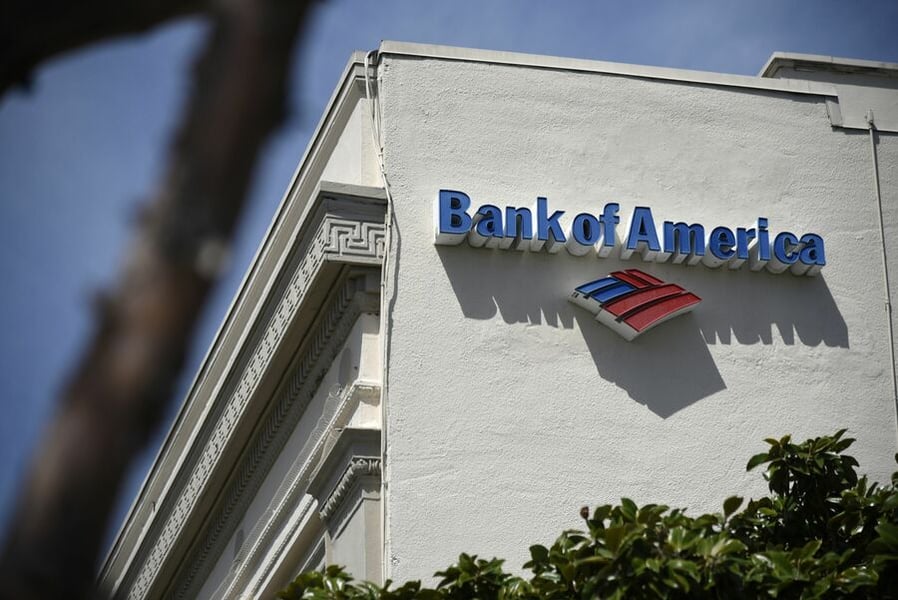
Bank of America ranked the highest among retail banks for financial advice provided, while Citi and KeyBank ranked second and third, respectively.
The best performers merge branch-based experiences with a strong digital presence to reinforce the in-person interactions, such as with virtual assistants and personal financial management tools, J.D. Power reported. The other 11 banks featured in the study fell below the average customer satisfaction score, with Truist earning the lower score.
Overall satisfaction with retail banks’ advice increased 37 points over a similar study in 2022, but many banks are struggling to deliver advice across customer segments. For example, banks do better connecting with financially healthy customers — which J.D. Power measures as a combination of a person’s spending and savings ratio, creditworthiness and safety net — than those who are financially unhealthy.
“There’s still a great deal of work that needs to be done to unlock the full value of this powerful tool,” White said.

Wealth Consulting Group, Coastline and Maridea report fresh capital, acquisitions and asset growth as advisor M&A keeps climbing

Carson Group's Dani Fava, Jason Pereira of Woodgate Financial, and Sally George of Convergency Partners led the raise as the growth-tech startup builds out its AI platform and leadership bench.

New teams from William Blair, Ameriprise and UBS bring more than $560 million in combined client assets to the firm's employee and independent channels.

Regulators this year approved UBS Bank USA’s conversion to a nationally chartered bank.

How a subprime lender’s car-loan bonds allegedly unraveled before bankruptcy.
Northern Trust’s Ken Lassner shows advisors how to convert volatility into after-tax portfolio gains
Dan Biagini of American Equity says the steady decline of pensions, longer lifespans and a reset in interest rates are rewriting how advisors build retirement income

