
Office address: 85 Willow Road, Menlo Park, CA 94025
Website: robinhood.com
Year established: 2013
Company type: financial services
Employees: 2,300+
Expertise: retail brokerage, stock trading, ETF trading, options trading, cryptocurrency trading, portfolio management, cash management, debit card services, futures trading, financial technology, investment education
Parent company: Robinhood Markets, Inc.
Key people: Vlad Tenev (CEO), Stephanie Guild (chief investment officer), Matt Billings (president), Dan Gallagher (chief legal officer), Steve Quirk (chief brokerage officer), Jason Warnick (CFO), Johann Kerbrat (SVP)
Financing status: corporation
Robinhood provides commission-free trading for stocks, ETFs, options, and cryptocurrencies to more than 26.7 million customers. The company operates from Menlo Park and employs 2,300 people. It is recognized for its user-friendly platform and a customer base that is mostly millennials and Gen Z.
Robinhood started in 2013 when Baiju Bhatt and Vlad Tenev, two Stanford graduates, saw a gap in the market. They noticed that big Wall Street firms traded for almost nothing, while regular people paid high commissions. This inspired them to build a platform that would let anyone invest without paying those fees.
The founders moved back to California and raised money to build their app. They created buzz by setting up a waitlist, and over one million people signed up before the app launched in 2014. Robinhood’s simple design and no-commission trades quickly caught the attention of younger investors.
The company won an Apple Design award in 2015, which helped boost its reputation. By 2019, the company reached a $7.6 billion valuation and had millions of users. Major brokerages soon followed Robinhood’s lead by dropping their own trading fees.
Robinhood added features like fractional shares and early access to cryptocurrency trading. The firm expanded to the UK in 2024 and launched margin trading with new safety measures. In 2025, it introduced Robinhood Social, a platform for users to share trades and follow public figures.
Robinhood offers a range of products designed to make investing simple and accessible for individuals. The platform covers trading, retirement, and educational resources:
Robinhood is also known for its easy-to-use app and website, which make investing simple for all experience levels. The platform provides real-time updates and helpful educational content.
Robinhood states that its mission is to make finance open to everyone, highlighting the coming $124 trillion wealth transfer. The firm describes its culture as fast-paced and focused on ambitious goals. It values these principles:
According to the company, employees are expected to take on challenging work and learn quickly. In return, Robinhood offers these benefits:
Robinhood reports that ESG programs support transparency and long-term impact for its business and customers. In 2025, about 50 percent of new investors identified as first-time users, and 75 percent as millennials or Gen Z. It highlights offsetting 1,634 metric tonnes of Scope 2 emissions and purchasing 6,550 megawatt-hours of Green-e wind energy
Vlad Tenev is the CEO and chair of Robinhood Markets, leading the company and its board. He aims to democratize finance for all and believes tokenization and blockchain technology will transform the industry. Before this, Tenev co-founded two finance firms in New York City. He holds math degrees from Stanford and UCLA and has several FINRA licenses.
The leadership team at Robinhood oversees key areas of the company’s growth and innovation:
Robinhood’s leadership team works to deliver new products and value for today’s investors. They focus on putting customers first and adapting to changing market needs.
In August 2025, Robinhood’s stock was up 440 percent over the previous year as it moved into RIA custody and rolled out new AI features. The company announced a referral program with TradePMR and launched prediction markets for sports, aiming to reach more advisors and investors. These actions support Robinhood’s future growth and strengthen its position with a broad, younger client base.
In launching Robinhood Social, the company aims to connect investors and increase transparency. This new feature lets users share trades, discuss strategies, and follow the moves of public figures in real time. While the rollout was met with some industry caution, Robinhood looks to engage its large, young user base and shape how people interact with investing

Account openings at online brokerages have skyrocketed, but the number of problems cited by customers have doubled during the past year.

Robinhood plans to double the number of full-time registered reps this year after recruiting 100 advisers from other firms since 2019.

The bank's analysts credit the global pandemic with stirring investor demand for companies doing good, and also cite the frenzy for tech-focused thematic funds, many of which fall within the environmental, social and governance category.

The world's largest retailer announced plans to launch a digital advice platform for its 220 million weekly clients. It will likely target lower-income Americans with simple but necessary financial products.

Meanwhile, Massachusetts amended its December complaint against the online brokerage seeking to revoke its registration in the state.
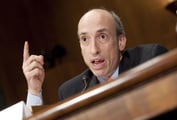
Wall Street's new sheriff will confront a range of market threats, from the fallout from the GameStop trading frenzy to the deluge of SPACs and the collapse of Archegos.

The GameStop trading frenzy taught inexperienced investors the wrong lessons about investing, drawing new attention to the financial literacy threat America has faced for years.

Robinhood's confetti animation led to heavy criticism of its gamification tactics, but advisers say investor education is still what's needed.

The advertisement is just the latest ploy in an industry war over the throngs of retail investors flocking to digital wealth platforms. The new account openings will certainly have repercussions.

Makara is an SEC-approved robo-adviser gearing up to provide investors automated services with a focus on cryptocurrencies. The product will charge a combination of a 1% management fee plus an annual fee.

The app is focused on capturing the influx of young investors that are now seeking out financial services. Fidelity Spire is 'goal-based' and enables users to track progress on financial goals by linking their accounts.

Social Finance said it will give investors with more than $3,000 in their accounts the ability to invest in initial public offerings.

The online trading platform could go public as soon as late in the second quarter, a source said.

The big news, announcements and underlying trends emerging in the world of technology solutions for financial advisers!

Morgan Stanley's plans to offer funds that will enable ownership of Bitcoin puts pressure on its competitors to go down a similar route. The company is the first major U.S. bank with plans to give its wealthiest clients exposure to cryptocurrencies.
