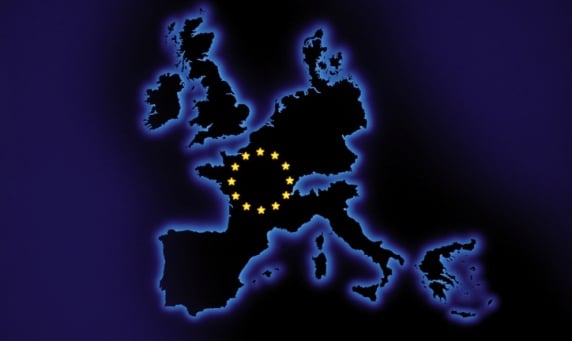
The European markets are following the predictable adage of buying on the rumor and selling on the news after yesterday's elections in Greece.
On the heals of a rally leading up to the elections, which was won by the party most likely to embrace austerity measures as an attempt to stay in the eurozone, the markets in Spain and Italy both are down more than 1.5%.
“The New Democracy Party is in power [in Greece] but nothing of note has changed,” said Martin Leclerc, chief investment officer at Barrack Yard Advisors.
“Greece remains corrupt, over-indebted, and uncompetitive,” he added. “There's little prospect out of its de facto bankruptcy unless the people of Greece demand and receive real reforms, and that's unlikely to happen in the intermediate term.”
From Mr. Leclerc's perspective, it boils down to whether the eurozone will become “more like a proper fiscal union.”
Along those lines, he said, there are some hopeful signs such as the European Stability Mechanism and the summit later this month.
Some analysts described the Greek elections as a victory for Germany, the strongest and most solvent economy in the debt-laden 17-nation eurozone.
With the Greek voters expressing desire to try to work with austerity measures, it is now likely that Germany and the European Central Bank will offer even more support and compromise to help Greece repair its economy.
“There are so many benefits to Germany of maintaining the eurozone,” said Marco Priani, vice president at Advisory Research Inc.
Part of the new support now being discussed is a pooling of debt, which Germany is likely to embrace even though it would be getting the short end of the stick.
Germany's 10-year bonds, for example, are yielding 1.5%, which compares to more than 6% for Spain and Italy.
“Some countries want the debt-pooling implemented rapidly, but Germany says there needs to be a framework where some countries are not just free riders of the pooling,” Mr. Priani said. “Germany will accept it, but they first want some guarantees of fiscal prudence.”
At this point, the pressure still is on the more solvent countries to create a mechanism to deal with the overall eurozone imbalances “without taxpayers thinking they're idiots for subsidizing the profligates,” according to Mr. Leclerc.
“The electorate in core countries must buy into the idea that the whole is greater than the sum of its parts, and that they are all Europeans traveling in the same boat,” he added.
In terms of investment opportunities and challenges in the near-term, Mr. Leclerc said he is expecting more of the same.
He doesn't believe the Greek election represent a “Lehman moment” for the European debt crisis, drawing a comparison to the 2008 collapse of Lehman Brothers Holdings Inc., which triggered the government-orchestrated rescue packages designed to save the U.S. banking system.
“Global stock markets will remain volatile because these problems require political solutions and this creates uncertainty that investors loathe,” Mr. Leclerc said. “The investment climate remains fearful.”
/images/newsletters src="/wp-content/uploads2012/06/twitter-bullet.png" Follow Jeff Benjamin