
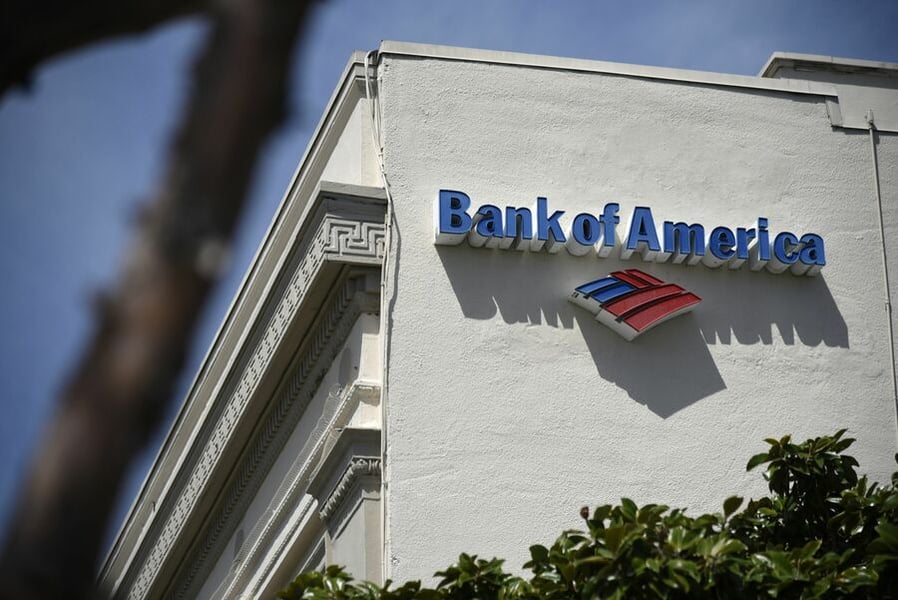
Bank of America appears to be striking while the iron is hot with an investment in iCapital, an alternative investments platform supporting more than $130 billion.
Lawrence Calcano, iCapital chairman and chief executive, declined to disclose the size of the strategic investment, but said BofA invested at the same valuation as iCapital's last funding round in December, which valued the company in excess of $6 billion.
“We are honored to have the support of Bank of America to further iCapital’s mission to provide financial advisers with a complete alternative investing solution,” Calcano said in a statement. “We look forward to continuing to work with the Bank of America team to enhance our platform to best meet the needs of its Merrill and Private Bank advisers seeking a range of alternative investments for their high-net-worth clients.”
Bank of America joins a long list of outside investors in the iCapital platform, but also deepens a unique relationship between the two companies.
In 2019, iCapital acquired BofA’s feeder fund business, which enables qualified high-net-worth investors to gain access to various alternative strategies without having to meet investment minimums that can be as high as $20 million.
This latest investment comes at a time when financial advisers are increasingly seeking out alternative investments such as private equity, private credit and real estate for client portfolios, driven by diminished return expectations in the public markets, and a demand for greater diversification to counterbalance higher market volatility.
“Global alternatives solutions providers are very hot presently,” said Daniel Seivert, chief executive of Echelon Partners.
“It is indeed more rare these days to see national banks making investments in wealth and investment managers, but given the relationship between the two firms it makes more sense,” Seivert said. “BofA is fortunate to get in at the valuation of the last round and are likely wishing they had made an investment earlier given the attractive annual increases in iCapital’s valuation.”
Nancy Fahmy, head of alternative investments at Bank of America, said the two companies “share the belief that alternative investments are an important component of a well-diversified portfolio and it is critical to increase access, education and service to advisors and their clients.”
“Deepening our support of iCapital through a strategic investment is emblematic of the success of our collaborative relationship,” she added.
Calcano said the iCapital platform, launched in 2013, is currently benefitting from the convergence of three “megatrends.”
He cited the increased wealth of individuals, an increased desire to allocate to alternatives in current market conditions and the benefits of automation that makes investing in alternatives easier.
BofA joins the following companies providing iCapital with financial backing: Affiliated Managers Group, Apollo, BlackRock, Blackstone, BNY Mellon, The Carlyle Group, Citi Ventures, Credit Suisse, Goldman Sachs Asset Management, Golub Capital, Hamilton Lane, JPMorgan Chase, KKR, Morgan Stanley, MSD Partners, Noah Holdings, Owl Rock, Ping An Voyager Partners, Pivot Investment Partners, Temasek, UBS, Wells Fargo and WestCap.

Senate Democrats seek data on data center deductions under the 2025 tax law as proposals to tax artificial intelligence multiply.

Geopolitical shocks and market volatility pushed advisor deal decisions off course, denting third-quarter transaction volume by 19 percent.

Hendershott Wealth Management's Hilary Hendershott on turning a niche for women into an operating strategy, not a marketing pitch.

Iowa's Greenwood Wealth Partners exits D.M. Kelly as UBS and Ameriprise win Merrill Lynch recruits in California and Florida

Less than 1% of pool funds went to actual trading, CFTC says
As AI makes financial information more accessible than ever, Lana Hock explains why human judgment, trust, and empathy remain the qualities clients value most in a financial advisor
Northern Trust’s Ken Lassner shows advisors how to convert volatility into after-tax portfolio gains

