
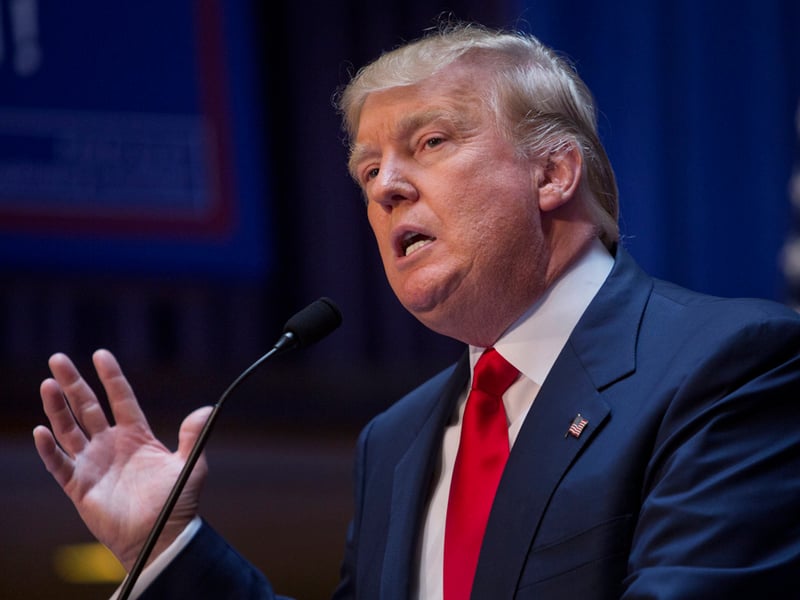
President Donald Trump is increasingly pointing to a swift conclusion of the US military campaign in Iran, a shift that has lifted investor sentiment even as geopolitical and energy risks remain elevated.
Speaking Tuesday, Trump said the conflict could wrap up within “two to three weeks,” underscoring a strategy focused on completing military objectives rather than securing a formal agreement with Tehran, according to Reuters and CNBC.
He added that a diplomatic deal is not required to end the war, stating, “Iran doesn't have to make a deal, no,” and emphasizing that the US would withdraw once Iran’s capabilities are sufficiently weakened.
The president will address the nation Wednesday evening, the White House said.
However, while the markets have reacted positively, it would be foolish (given today’s date) to assume that an end to the conflict will mean a return to where we were before the first strikes more than a month ago with developments on the ground pointing to continued instability.
Fresh attacks across Gulf states, including strikes affecting infrastructure in Kuwait, Bahrain, and near Qatar, highlight the ongoing threat of escalation despite the administration’s more optimistic tone. And the Strait of Hormuz remains at risk with UAE saying it will join a coalition to force the key shipping route open.
The Wall Street Journal says that the Arab state wants a United Nations resolution backing action with the US involved in keeping the route safe. It quotes the country’s foreign ministry warning that Iran believes it is fighting for survival and is willing to collapse the global economy if necessary.
And while Trump has suggested an early exit, the uncertainty has kept energy markets on edge. Oil prices remain volatile as traders weigh the likelihood of a ceasefire against the possibility of prolonged disruptions to supply.
While hopes for a quick resolution have driven gains in equities, unresolved tensions in key energy corridors continue to pose upside risks for inflation and downside risks for global growth.
For now, markets appear to be pricing in a best-case scenario where military operations wind down within weeks. Whether that optimism holds will depend on whether rhetoric from Washington translates into tangible de-escalation on the ground.

Retiring RIA seller David Laidlaw alleges the Carnegie valued his stake on $11.7 million EBITA while pitching potential buyers on $21.3 million.

New tool gives RIAs and family offices AI help vetting private market deals, with some users reportedly halving review time.

Investors got projected returns dressed up as real ones, SEC says

Parents must still act to get the $1,000 federal seed and employer contributions, giving financial advisors a role in the rollout.

FINRA booted Rudy Anguiano from the industry for “conversion - the intentional and unauthorized taking of another person’s property.”
As AI makes financial information more accessible than ever, Lana Hock explains why human judgment, trust, and empathy remain the qualities clients value most in a financial advisor
Northern Trust’s Ken Lassner shows advisors how to convert volatility into after-tax portfolio gains

