
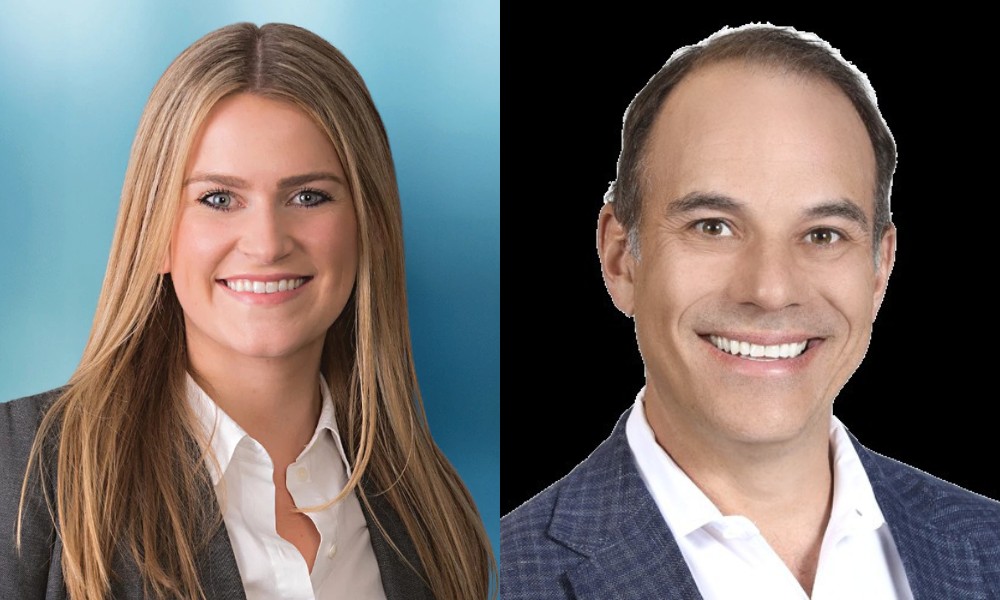
Younger investors are likely to fuel the growth in active ETFs, says Megan Rust, vice president of ETF capital markets at Franklin Templeton, continuing the inexorable rise of the asset class.
“I think my generation is very comfortable with the ETF vehicle, they are comfortable with active ETFs,” she told InvestmentNews at the Exchange ETF conference in Las Vegas. “It depends on a lot of where the money gets managed, though - if they are keeping it within the traditional financial advisor model, if they are taking it on their own, maybe using a robo advisor.”
Rust noted that younger investors have show interest in ETFs focused, for example on the investment theme of innovation.
“I think the younger generation follows performance, so if active managers can generate alpha, money will flow there, if they can’t, they will not,” she added.
Demand for active ETFs has been booming in recent years. Brown Brothers Harriman’s 2026 Global ETF Investor Survey predicts that active ETF assets are on course to hit about $10 trillion by 2033, from just under $2 trillion at the end of 2025. According to Goldman Sachs, active ETF inflows as a portion of all exchange traded funds have doubled since 2022.
Data also point to the role that younger investors are playing in this boom. Last year research from Capital Group found that active ETFs could serve as a client acquisition magnet for advisors looking to attract Gen X, millennial, and Gen Z clients.
David Mann, head of ETF products and capital markets at Franklin Templeton, also pointed to the uptake of active ETFs, noting that, last year, 31% of the industry’s net inflows were in active ETFs, a number that has grown to over 40% this year. For Franklin Templeton, it’s over 50%, he added.
“The core bread and butter of Franklin Templeton is its active management and active investment teams,” he told InvestmentNews,
But active ETFs are co-existing with other asset classes. “There’s still places for mutual funds, there’s still places for SMAs, there’s still places for ETFs,” Mann said. “Our job is to listen to the clients and say ok, what are you using in what format, and let’s make sure we have the best investment teams providing that particular exposure across all of those vehicles.”

Siddharth Jawahar was sentenced 11 years in prison and $31M in restitution for running Swiftarc Capital fraud scheme

Wall Street banks expand wealth services as ultra-high-net-worth client demands extend further above and beyond investment management.

The acquisition of $2 billion Gilbert & Cook extends a buying spree for the ultra-high-net-worth firm that has already touched six states this year.

After years of encouraging sacrifice and delayed gratification, advisors have to do the next emotional lift: helping clients let go of a potentially harmful scarcity mindset.

A new JPMorganChase Institute report reveals how deeply stock market wealth now drives everyday American spending, especially for retirees.
Northern Trust’s Ken Lassner shows advisors how to convert volatility into after-tax portfolio gains
Dan Biagini of American Equity says the steady decline of pensions, longer lifespans and a reset in interest rates are rewriting how advisors build retirement income

