
The internet had a bad case of the Mondays this week amid the outage of cloud computing giant Amazon Web Services (AWS), which had a ricochet affect across the financial services industry.
Amazon Web Services (AWS) is one of the top cloud solutions for financial services firms in the US. Learn how these platforms can benefit your business.
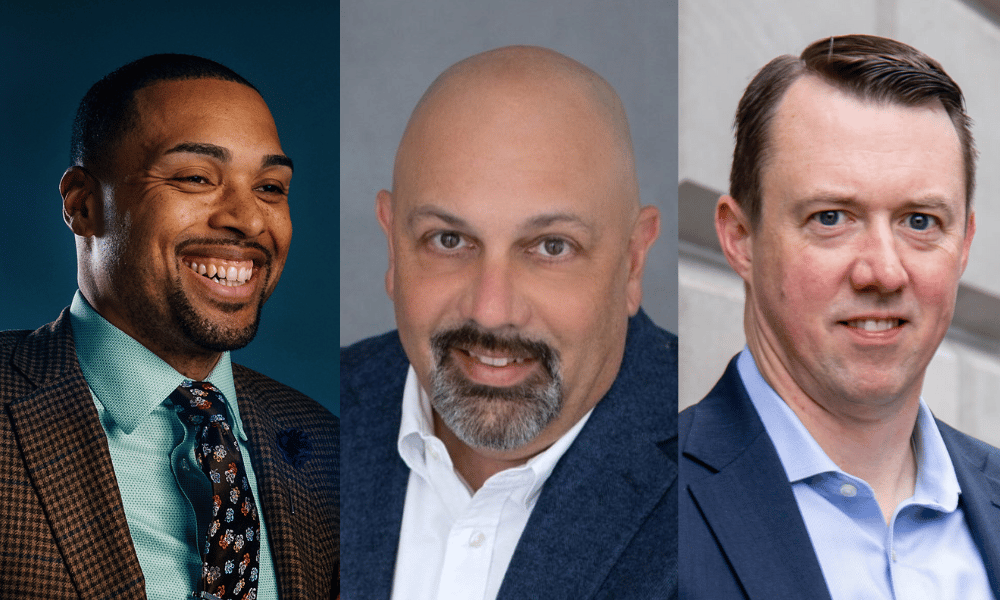
Issues were reported starting around 3 am ET on October 20. Customers were temporarily locked out of accessing their investment accounts on Robinhood and Coinbase as part of the AWS outage, while Morningstar and fintech banking provider Chime were also impacted. Tyrone Ross, CEO of crypto data platform Turnqey Labs and runs an RIA called 401 Financial, had his business operations derailed by both the Coinbase and Morningstar disruptions.
“Turnqey has a data integration with Morningstar ByAllAccounts, their service was down,” Ross told InvestmentNews. “And we pull crypto data, and we provide crypto data from Coinbase to ByAllAccounts, so two of the providers we rely on were down.”
Data aggregator ByAllAccounts was acquired by Morningstar in 2014 for $28 million. “The AWS outage has been fully resolved and Morningstar products have returned to normal operation. The outage caused some temporary disruptions yesterday but all systems are now fully restored,” a Morningstar spokesperson wrote to InvestmentNews on Tuesday at 5:30pm ET.
A previous AWS outage in December 2021 also affected both Robinhood and Coinbase. Monday’s outage served as another reminder for how inter-connected financial technology remains, amplifying the calls some see for a needed decentralized financial ecosystem.
“I think it just shows everybody how centralized the monopoly is on energy and resources in the space, whether in crypto or not,” said Ross. “I think a lot of fintechs and providers are going to have to find a way to decentralize away from what is a monopoly on those data centers.”
Scott Lamont, managing director at wealth management consulting firm F2 Strategy, said the firms in financial services can best prepare for outages by developing a business continuity plan (BCP) that addresses both internal systems and third-party vendor exposure.
"A strong BCP should include regular reviews of where client and internal data are stored, how they move across the technology stack, and whether secure backup and recovery mechanisms are in place,” Lamont told InvestmentNews. “Equally important is conducting thorough vendor due diligence — understanding whether vendors rely on AWS, Azure, or Google Cloud; where they store data; and how their continuity plans align with your own.”
These steps are intended to help minimize downtime, protect sensitive financial data and maintain operational stability during disruptions, said Lamont.
“While larger institutions may have the infrastructure to support private cloud backups, most firms benefit more from maintaining an up-to-date inventory of their technology and data architecture, ensuring faster responses when unexpected outages occur, and holding vendors accountable for robust, tested BCPs.”
Advisors will need to adapt their priorities to still execute transactions on behalf of clients during these outages, said Dan Garrett, head of digital services at Oyster Consulting, which serves RIAs, broker-dealers and other financial industry clients.
“Keep client access open — even if features are degraded. Prioritize order entry, money movement, and statements; temporarily hide non-critical widgets that time out. Put a banner on the portal and a time-stamped post on the status page,” Garrett wrote to Investmentnews. “Offer human fallbacks. Enable manual or phone trade tickets for urgent orders; queue non-urgent batch work (reports, reconciliations) for later. Give advisors a one-pager with exactly how to place a trade or move cash if the OMS/portal is slow.”
Garret recommends advisors to never rely on a singular cloud region, and they should be prepared to communicate over the phone with clients to handle trade requests during tech outages. Transaction times could be delayed during these periods.
“Market orders may still go through if trading pipes are reachable, but post-trade can bottleneck (allocations, confirms, settlement instructions). With T+1, a few hours of delay can create settlement-fail risk if we don’t clear breaks quickly,” Garrett said. “Money movement (ACH/wires) can slip if portals or approval workflows are slow — hence the value of phone-based or alternative approval paths.”

Meanwhile, DPL Financial Partners adds two annuity executives and Prime Capital Financial hires a Mid-Atlantic retirement plan consultant

Andrew Komarow pleaded guilty Thursday in federal court in Hartford to defrauding three financial services companies of close to $3.3 million.

Elsewhere, Cetera picks up a $210 million Connecticut team from MML, while Wells Fargo FiNet adds a San Diego family practice from LPL

Celebrity endorsements, $500M in claimed assets, and a state regulator stepping in.

“We needed to become a more agile and efficient organization,” said American Express CEO Stephen Squeri.
Knighthead Life entered the market with a competitive MYGA. A strong launch earned advisor confidence and paved the way for FIAs.
As AI makes financial information more accessible than ever, Lana Hock explains why human judgment, trust, and empathy remain the qualities clients value most in a financial advisor

