
Envestnet is adding a new seat to its C-suite as it pushes ahead with a five-year plan to grow its platform and deepen ties with wealth management firms and RIAs.
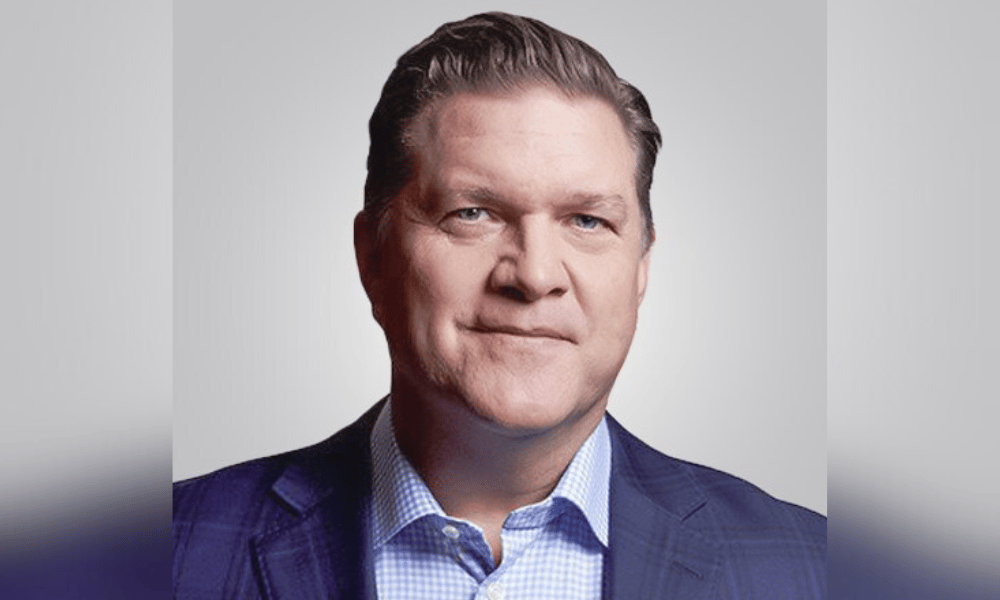
The wealthtech provider on Monday named industry veteran Jonathan Linstra to the newly created role of chief growth officer.
Reporting directly to CEO Chris Todd, he will oversee sales execution, revenue generation and advisor engagement across Envestnet’s enterprise, Tamarac and MoneyGuide businesses.
The move is part of what Envestnet describes as a “dual growth leadership model” that pairs scaled distribution with dedicated enterprise and RIA relationship management. The relationship side of that structure continues to be led by chief relationship officer Andrew Stavaridis, who remains responsible for growth and expansion among existing clients.
Todd said the new role reflects how Envestnet is repositioning itself as demand rises for integrated platforms and more personalized advice at scale.
"Jonathan is a proven growth leader who understands how to scale distribution, align offerings to advisor behavior and enterprise priorities, and translate strategy into disciplined execution. His leadership strengthens our ability to drive sustained, repeatable growth," Todd said in a Monday announcement.
Linstra brings more than two decades of experience from asset management and wealth technology. He most recently served as managing director of the Americas for Morningstar Wealth, where he oversaw revenue and distribution for the investment management unit.
His background also includes leadership roles at State Street Global Advisors, Janus Henderson Investors, Rydex Investments, Curian Capital, and Van Kampen Investments, as well as a stint on the board of governors for the Money Management Institute.
“Winning in this next phase is about alignment, not accumulation, aligning people, platforms, and go-to-market execution around how advisors and clients actually work,” Linstra said in the release.
The growth hire also follows Envestnet’s January appointment of chief marketing officer Sue Burton, who was brought in to build a more integrated marketing engine and upgrade the firm’s digital experience and content strategy.
The appointment also builds on a broader reshaping of Envestnet’s leadership and go-to-market structure since it went private in a Bain Capital-led deal and embarked on a five-year value creation plan. The firm has been investing in product development and client-facing teams, with a roadmap that spans planning, trading, reporting, and portfolio construction tools that mirror real-world advisor workflows. Envestnet has also said it plans to commit $1 billion to product investment over the next five years.
“We’re going to be investing in front-facing sales people so that they’re engaging more with our advisors and supporting our advisors,” Chief Relationship Officer Andrew Stavaridis told InvestmentNews in November. “But it’s not just the front-facing sales people. It’s also the marketing, right? It’s how are we leveraging our marketing support to the advisors.”
“We want to invest more in how we’re supporting those advisors, how we’re supporting those institutions,” he said.

Salespeople at the firm often went beyond the matching algorithm to recommend network advisors on its Zoe Wealth platform, according to the regulator.

The Protect College Sports Act would cap school payments and codify NIL rights, with implications for advisors guiding young athletes.

"I know the number that I want to be able to retire on, and now I just want out," says Wilmington Trust's Marguerite Weese, describing a common refrain among business-owner clients.

Bessemer and Brown Brothers Harriman veteran Robert Ludricks III and private markets specialist Olof Akesson join the ultra-high-net-worth push on the East Coast.

765 investors were promised 260% annual returns on truck leases
As AI makes financial information more accessible than ever, Lana Hock explains why human judgment, trust, and empathy remain the qualities clients value most in a financial advisor
Northern Trust’s Ken Lassner shows advisors how to convert volatility into after-tax portfolio gains

