

Wells Fargo chief executive Charles Scharf created a firestorm on Twitter late last year for blaming diversity issues at his firm on a shortage of minority talent. He later apologized, but the comments highlight the challenges minorities face in wealth management.
A lack of representation can make it difficult to build business relationships and is often compounded in the tight-knit world of venture capital. Black and Hispanic certified financial planners represent just a fraction of total financial advisers making up 3.8% of the industry’s more than 87,000 accredited professionals, according to the CFP Board, the industry body that sets the standards for industry professionals.
Those dire statistics mean minority-owned firms have a more challenging road to land funding, according to Richard Powell, co-founder of Project Black, a private investment initiative that supports Black-owned businesses. Without some of the traditional avenues to capital raising, firms are unable to bring on the next level of growth or attract the levels of intellectual capital needed to take on competitors.
Coupled with rapid growth in fintech, minority-owned businesses can struggle to gain traction, said Powell, a Harvard Business graduate who spent years in private equity before launching Project Black. Launched by asset manager Ariel Investments, the project intends to invest in middle-market companies that are not currently minority owned to position them as leading suppliers to Fortune 500 companies.
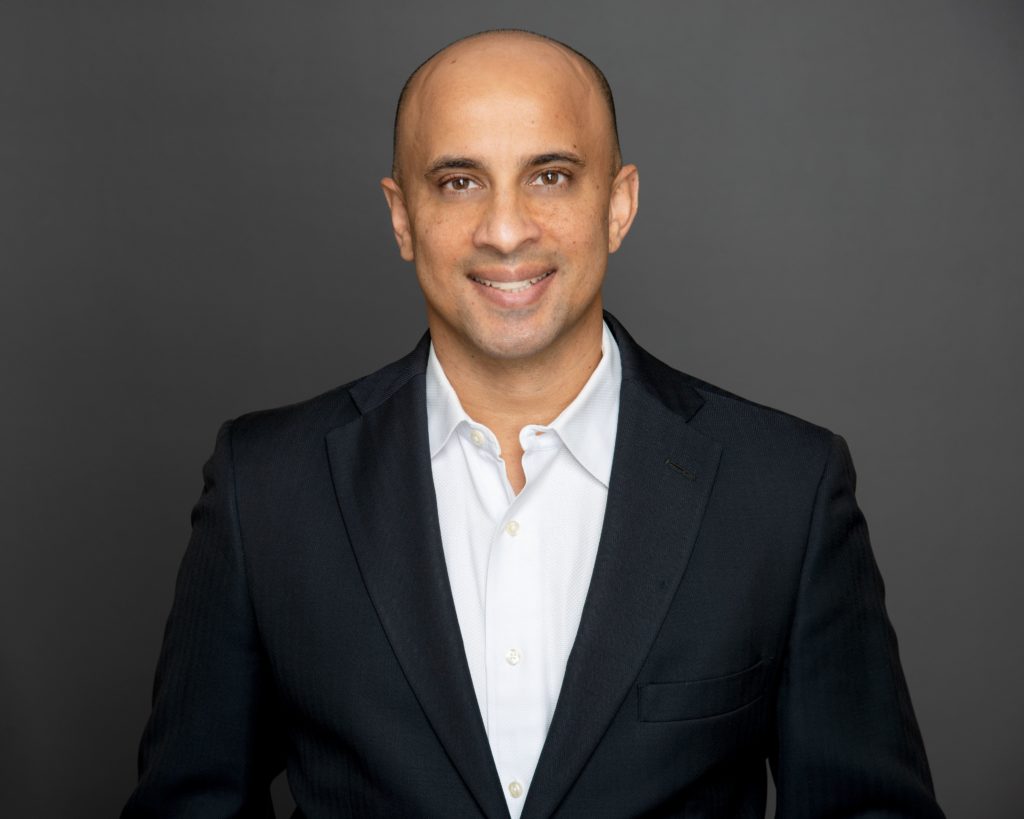
“Even if the firms are good and smart and well run, there is a real lack of access to the relationships and the talent necessary to deliver against the demands of the competition,” he said.
Executives at the highest levels have signed on. JPMorgan Chase & Co. committed to co-invest $200 million as part of a $30 billion initiative over the next five years to help cut the racial wealth divide. Wells Fargo’s Scharf also spearheaded social causes at his firm and has tied executive pay to improving diversity.
The initiatives are necessary. While the challenges to compete against other fintechs like Robinhood, Stash or Acorns are almost insurmountable, there are disruptors building platforms that reach out to underserved communities. For example, Black-owned retail banking app Goalsetter raised $3.9 million in January to help promote financial literacy designed for Black and Latino youth communities.
“Lack of diversity in any industry isn’t a pipeline problem,” said Lauryn Nwankpa, head of social impact at Dave, a challenger bank that currently has eight million customers and helps underbanked Americans. “Instead of simply promoting diversity, we need to be demanding and architecting it within organizations,” she said.
Encouragingly, the funding ecosphere for fintechs has also never been more democratized than today, according to Powell. His advice is to be deliberate. Build relationships with the intent on finding pathways to financial capital. Continue to build fintechs that open access to banking and investing to underserved communities.
The Black Lives Matter movement, along with other social justice causes of the past few years, have opened the eyes of the mainstream. While Martin Luther King Jr. and others fought for human rights more than a half century ago, today supporters of social equity are striving to close the racial wealth divide, and help give minority entrepreneurs access to capital funding.
The road to racial equality might be uphill, but today’s social justice movement has ushered in new avenues for fresh ideas and innovation in wealth management, which can only push our industry forward.

Deal creates a $20B-plus custody platform for private market investing in IRAs, months after Schwab closed its Forge Global purchase

Despite the good times, advisors should tread carefully, said one veteran industry executive.

Cullen marks the fourth firm the New York-based RIA aggregator has bought in 2026 as deal volume heads for a record year.

The quality of AI ROI measurement depends on pre-deployment decisions around business outcomes, leadership alignment, and establishing trusted information, among other factors.

A state-by-state analysis of retail investor behavior reveals AI-powered research tools are reshaping how clients approach investment decisions.
Knighthead Life entered the market with a competitive MYGA. A strong launch earned advisor confidence and paved the way for FIAs.
As AI makes financial information more accessible than ever, Lana Hock explains why human judgment, trust, and empathy remain the qualities clients value most in a financial advisor

