
Financial advisers who see automated advice platforms as a threat are missing the point and potentially missing opportunities for growth, according to a panel discussion Tuesday morning at the MarketCounsel Summit in Las Vegas.
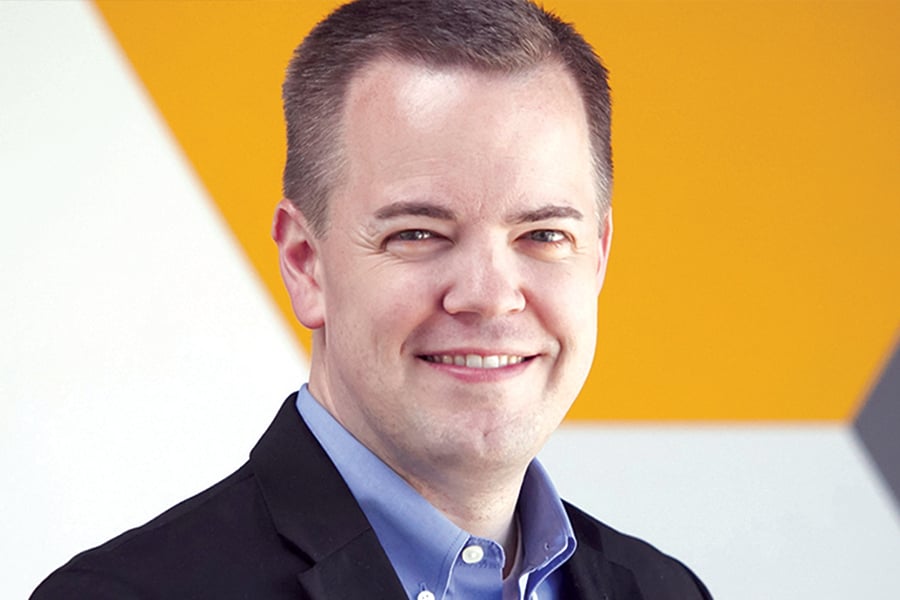
“My greatest advice to wealth management firms is to lean into your strengths, which is the human element, and use technology to drive your growth,” said Aaron Klein, chief executive of Riskalyze.
In a panel discussion with Randy Bullard, global head of wealth at Charles River Development, Klein claimed an uncharacteristic technology-averse position on several occasions by insisting that technology wasn’t going to replace human advisers.
Klein, who runs a tech-enabled platform for advisers, encouraged advisers to embrace the technology that can make them more efficient and “lean into the element that helps to differentiate you.”
The conversation promoted as balancing automation and advice kicked off against the backdrop of the September announcement that UBS was pulling out of its plans to acquire the Wealthfront robo platform.
Citing the much-hyped fears during the early days of robo-advice platforms in 2015 that robos would replace human advisers, Klein speculated that UBS’ interest in Wealthfront was more about capturing a piece of a new market of retail investors than it was about putting human advisers out to pasture.
“In the purest form, [the fear was] that the robo business model was doing to financial advice what Google did to the Yellow Pages,” he said. “That has clearly not come to fruition.”
Bullard described robo-advice platforms as “a tool; a technology that is not going to replace human advisers.”
He added, however, “In the long run, a lot of what advisers do will become increasingly digitized.”
While Bullard was generally bullish on how technology could be adapted to provide financial advisory services to more people, Klein pushed back on a suggestion that technology could completely replace human advice, even for the most basic clients and financial challenges.
“I’ve never seen technology be able to genuinely calm somebody down when they are in fight-or-flight mode,” he said. “When things get complex and important, that’s when I want a human to help me.”
Klein acknowledged the global challenge of providing adequate financial advice to the masses but said instead of directing less sophisticated, smaller investors to websites for basic risk tolerance questionnaires, he recommends leveraging technology to more efficiently serve more people.
“I think it’s less about automating the adviser out of the equation and more about using automation to improve the way advisers spend their time,” he said. “We have a big problem in this country with access to advice. We’re going to make far better progress if we can make advisers 20 to 25 time more efficient, because that means they can have 20 to 25 times more reach.”

Salespeople at the firm often went beyond the matching algorithm to recommend network advisors on its Zoe Wealth platform, according to the regulator.

The Protect College Sports Act would cap school payments and codify NIL rights, with implications for advisors guiding young athletes.

"I know the number that I want to be able to retire on, and now I just want out," says Wilmington Trust's Marguerite Weese, describing a common refrain among business-owner clients.

Bessemer and Brown Brothers Harriman veteran Robert Ludricks III and private markets specialist Olof Akesson join the ultra-high-net-worth push on the East Coast.

765 investors were promised 260% annual returns on truck leases
As AI makes financial information more accessible than ever, Lana Hock explains why human judgment, trust, and empathy remain the qualities clients value most in a financial advisor
Northern Trust’s Ken Lassner shows advisors how to convert volatility into after-tax portfolio gains

