
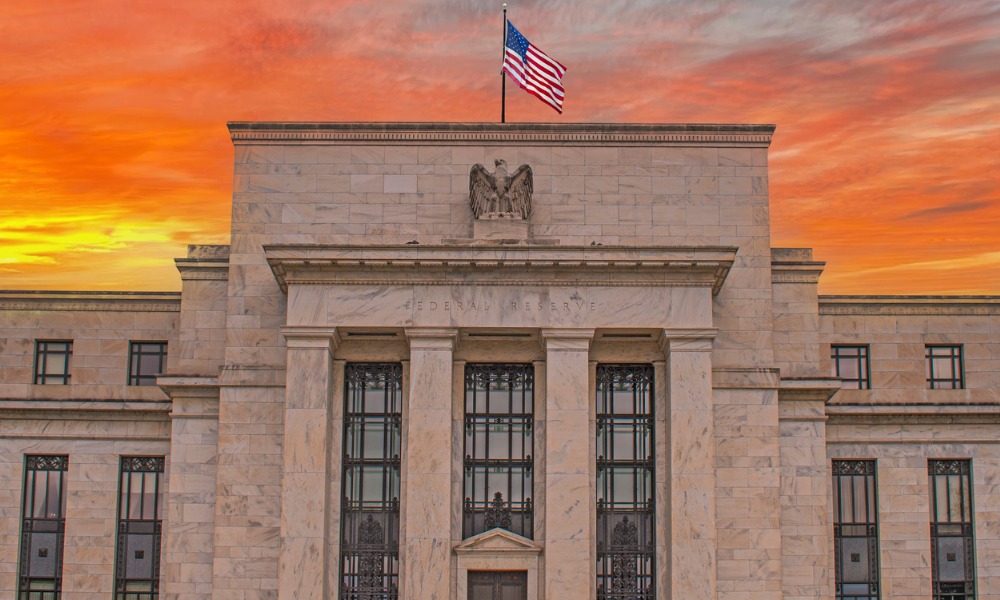
The Federal Reserve faces a pivotal week as its September policy meeting arrives amid last-minute changes and ongoing legal battles that could reshape the central bank’s leadership and its approach to interest rates.
On Monday night, the Senate is set to vote on the nomination of Stephen Miran to the Fed’s board of governors. If confirmed and sworn in quickly, Miran could participate in the two-day Federal Open Market Committee meeting beginning Tuesday, a rare scenario given the typically lengthy onboarding process for new governors.
Miran, who has served as a top economic advisor in the White House, would fill the seat vacated by Adriana Kugler last month and serve through January 2026. Whether he will be able to submit his economic projections in time for the postmeeting release remains uncertain, as logistical hurdles could delay his full participation.
The timing of Miran’s potential arrival is significant. Markets have largely priced in a quarter-point rate cut this week, but Miran’s recent policy stance and alignment with the White House could see him advocate for a more aggressive half-point reduction. The administration has been vocal in its desire for steeper cuts, citing concerns about the impact of higher rates on housing and government borrowing.
Meanwhile, the Trump administration is seeking to sideline Fed Governor Lisa Cook before the meeting, filing an emergency motion with a federal appeals court to pause a lower-court order that restored her to the board. Cook, who has been accused of mortgage fraud related to Atlanta and Michigan properties she owns, has denied any wrongdoing and is fighting an order seeking her dismissal in court.
A document reviewed by Reuters shows that Cook declared her Atlanta property as a “vacation home” during the loan process, a detail that could support her case. Two independent real-estate experts told Reuters that this documentation “indicates that during the loan-application process, she told the lender she intended to use the property as a vacation home.”
Cook has also not claimed a tax exemption for the Georgia home as a primary residence, according to property records, undercutting accusations of unethical behavior that form the foundation of Trump's case against her.
The legal wrangling over Cook’s position underscores the broader struggle for control over the central bank. The Trump administration’s efforts to influence Fed leadership come as the White House continues its search for a new chair.
BlackRock’s Rick Rieder, chief investment officer of global fixed income, is among the latest to interview for the role, with CNBC reporting he met with Treasury Secretary Scott Bessent last week. The administration has also spoken with former Fed governors Kevin Warsh and Lawrence Lindsey, as well as James Bullard, former president of the St. Louis Fed.
Rieder, who would represent a departure from the tradition of appointing PhD economists to the chair, has publicly spoken out the need for the Fed to respond quickly to economic shifts, seemingly in line with Trump's previous assertions that Federal Reserve Chair Jerome Powell is "too late" in cutting interest rates.
“I think there is a 50/50 chance” that the Federal Open Market Committee cuts by a half percentage point, Rieder said in an interview with Barron's, adding that “everything we’ve seen from labor…suggests there is risk of falling behind what is clearly a moderating, severely slowing labor dynamic.”
The urgency is underscored by recent data: weekly unemployment claims have reached a four-year high, and the Bureau of Labor Statistics recently revised its jobs data, revealing that the US added 911,000 fewer jobs in the past year than previously estimated.

Retiring RIA seller David Laidlaw alleges the Carnegie valued his stake on $11.7 million EBITA while pitching potential buyers on $21.3 million.

New tool gives RIAs and family offices AI help vetting private market deals, with some users reportedly halving review time.

Investors got projected returns dressed up as real ones, SEC says

Parents must still act to get the $1,000 federal seed and employer contributions, giving financial advisors a role in the rollout.

FINRA booted Rudy Anguiano from the industry for “conversion - the intentional and unauthorized taking of another person’s property.”
As AI makes financial information more accessible than ever, Lana Hock explains why human judgment, trust, and empathy remain the qualities clients value most in a financial advisor
Northern Trust’s Ken Lassner shows advisors how to convert volatility into after-tax portfolio gains

