
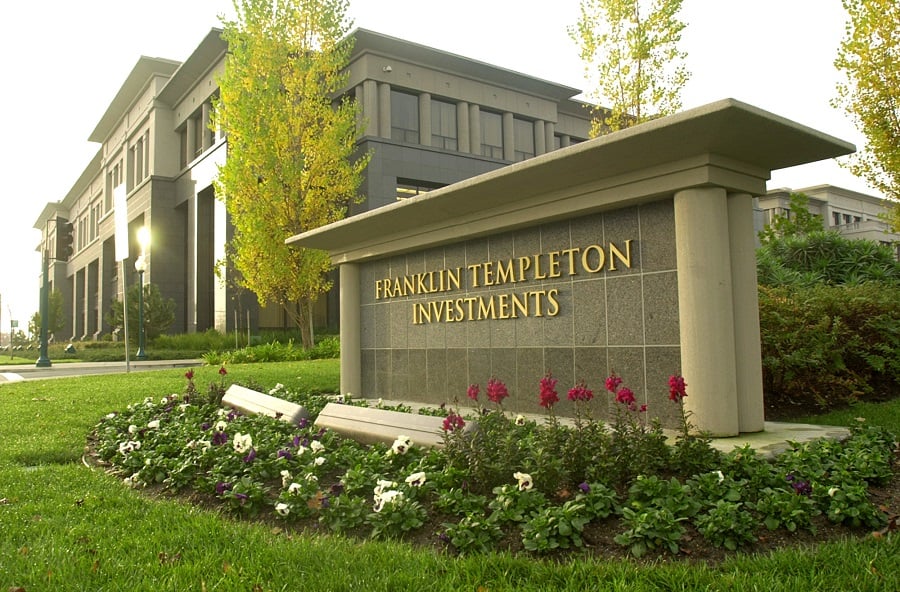
Franklin Templeton Investments added a digital component to its wealth management division by purchasing a wealth management platform specifically designed for financial advisers.
The asset management giant announced Wednesday the acquisition of AdvisorEngine, a platform that offers an integrated client-relationship management system and digital-wealth management technology, which had been up for sale since January.
The New York-based fintech consolidates a number of advisory tools into a single account — like portfolio management, reporting, a white-label robo adviser and its Junxure client-relationship management software — meant to bolster Franklin Templeton’s tech toolbox for advisers.
Terms of the deal were not disclosed.
The purchase could help Franklin Templeton keep up with other global asset management firms, like BlackRock and Invesco, that have made similar purchases for digital wealth management technology in recent years, and have used those purchases as distribution channels for their funds with varying degrees of success.
“Franklin Templeton was one of the few who lost assets between 2014 and 2018,” said Craig Iskowitz, chief executive of Ezra Group, a technology consulting firm for the advice industry. “They're falling behind and feel they need another way to connect with RIAs.”
California-based Franklin Templeton has employees in more than 30 countries and over $580 billion in assets under management as of March, according to a release.
A major emphasis moving forward will be the further development of its automation capabilities, specifically the company’s Junxure platform, which AdvisorEngine purchased in 2018.
“Franklin Templeton has already made several investments prior to this recent one with AdvisorEngine,” said David Lyon, founder and CEO of Oranj, a wealth management platform for advisers. “These types of acquisitions take time to come to fruition, as we have seen with similar marriages like with Invesco’s JemStep.”
The sale of AdvisorEngine was first alluded to by its previous majority owner, WisdomTree, in an earnings report in January. The ETF giant announced its intention to sell its $58 million stake in the digital wealth management platform, but the impending sale was not expected to change the firm’s overall performance outlook for the year.
“This news comes at an interesting time,” Iskowitz said. “I know they have very good technology and a strong team — that's not the issue. The question is: Are there enough clients out there for these companies to survive?”
There are more than 13,500 registered independent advisers in the U.S, according to filings with the Securities and Exchange Commission, but the vast majority of client assets are concentrated at the top 20% of firms, Iskowitz said. That means vendors are chasing a much smaller pool of advisers that are large enough to make meaningful investments in tech products.
Founded in 2014, AdvisorEngine has some 80 employees with offices in New York and Raleigh, North Carolina. The firm said it currently has 1,200 advisory clients that collectively manage more than $600 billion in assets, according to the release.

Salespeople at the firm often went beyond the matching algorithm to recommend network advisors on its Zoe Wealth platform, according to the regulator.

The Protect College Sports Act would cap school payments and codify NIL rights, with implications for advisors guiding young athletes.

"I know the number that I want to be able to retire on, and now I just want out," says Wilmington Trust's Marguerite Weese, describing a common refrain among business-owner clients.

Bessemer and Brown Brothers Harriman veteran Robert Ludricks III and private markets specialist Olof Akesson join the ultra-high-net-worth push on the East Coast.

765 investors were promised 260% annual returns on truck leases
As AI makes financial information more accessible than ever, Lana Hock explains why human judgment, trust, and empathy remain the qualities clients value most in a financial advisor
Northern Trust’s Ken Lassner shows advisors how to convert volatility into after-tax portfolio gains

