
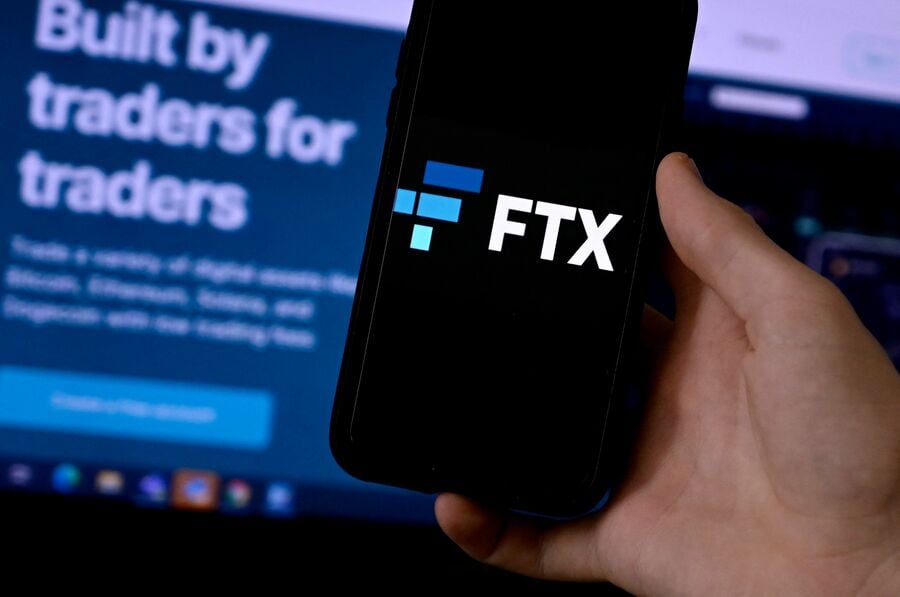
As the now infamous FTX cryptocurrency exchange heads toward bankruptcy in a stunning fall from grace for the world’s second-largest digital currency platform, financial advisers and crypto experts say the immediate fallout will be huge.
“This is extremely bad news in the short term,” said Ric Edelman, founder of the Digital Assets Council of Financial Professionals.
“FTX was one of the most highly regarded crypto exchanges and the second largest in the world,” Edelman said. “To have it go out of business in just 24 hours is a shocking development that nobody in the crypto community anticipated.”
The FTX platform, which was briefly slated to be acquired by rival exchange Binance, saw the deal fall through Wednesday when it became clear that founder Sam Bankman-Fried faces an $8 billion shortfall and needs about $4 billion just to remain solvent.
“This undermines confidence in the crypto industry, and it will lengthen the duration of the crypto winter we have been experiencing this past year and will delay the willingness of some investors to engage in this marketplace,” Edelman said. “However, all of that is a reference to short term and the next six to nine months. Long term, this has no effect on the crypto industry and innovation that is being brought about by blockchain technology.”
Bitcoin, the most well-known cryptocurrency, was already down more than 70% this year before the FTX scandal broke as skepticism mounted about the digital asset’s ability to hedge inflation, as once was assumed.
“The question I’m pondering now is what adviser or investor is not going to be completely soured on crypto,” said Eric Balchunas, analyst at Bloomberg Intelligence.
Describing Bankman-Fried as a “face of the industry, aw-shucks tech guy who’s too busy to get haircuts,” Balchunas said the disappointment among investors is difficult to measure at this point.
“This is a huge vindication for traditional finance; you’d never see this at a place like Fidelity,” he said. “It’s almost ironic that traditional finance fixes this.”
While the full details of what went wrong at FTX are still unraveling, Balchunas said it started to smell fishy to him when he saw the string of celebrity endorsements and support from politicians.
“There’s the whole idea of crypto having a bad year, then there’s this whole narrative of [Bankman-Fried],” Balchunas said. “When you halt withdrawals, that’s a whole new problem beyond just the price going down; that’s almost more scary than the drawdown. It turns out he screwed over his own customers.”
Edelman, an early adopter of digital assets and perennial crypto bull, doesn’t believe the FTX meltdown should deter investors from the category, but he advises proceeding with caution.
“If there had been an interest in investing in this space, now is an opportunity to explore that further because of the new low prices,” he said. “Recognize it is very risky, have a long-term perspective and limit exposure to 1% or 2% of your portfolio.”
If there’s a buy-low move to be made, Edelman said, the time is now.
Bitcoin was up slightly Thursday afternoon to more than $17,000 after falling on Wednesday. But Edelman said more than half the people who currently own bitcoin paid more than $30,000, or about halfway below the peak of more than $60,000 a year ago.
Eric Roberge, founder of Beyond Your Hammock, is not likely to be among those jumping in at the current lows.
“This highlights the role of speculation in the investment world,” he said. “We are here to help clients build stability and predictability into their financial plans so they can enjoy life today and tomorrow. Our rule of thumb is to, ideally, not have more than 5% of a client's liquid assets in any one investment, which could be a stock, a bond or a speculative category like crypto.”
Daniel Yerger, president of My Wealth Planners, is more blunt and sees the current crypto troubles as vindication of advice when it comes to digital currencies.
“If you'd be OK putting the same amount you want to invest in crypto through a paper shredder, then go for it,” Yerger said. “If you can't take that loss, don't invest in crypto. The current meltdown simply is the latest grand spectacle of play stupid games, win stupid prizes."

Chicago-based Mesirow Fiduciary Solutions adds flexPATH's plan-level outsourced fiduciary book, boosting its retirement market reach to $164 billion.

Also, Raymond James's employee advisor channel adds breakaways from Wells Fargo and Stifel, while UBS welcomes an ex-Morgan Stanley duo in Indiana.

It promised guaranteed principal and 10% monthly returns. The SEC says it invested nothing.

Ten years after entering the fee-based annuity market, MassMutual Ascend says nearly half its lifetime sales came in the past two years alone – but barriers remain among fee-only advisors.

Amplify, WealthReach, Zeplyn and Zocks have unveiled partnerships aimed at automating portfolio management, content creation, account opening, and client communication.
Northern Trust’s Ken Lassner shows advisors how to convert volatility into after-tax portfolio gains
Dan Biagini of American Equity says the steady decline of pensions, longer lifespans and a reset in interest rates are rewriting how advisors build retirement income

