
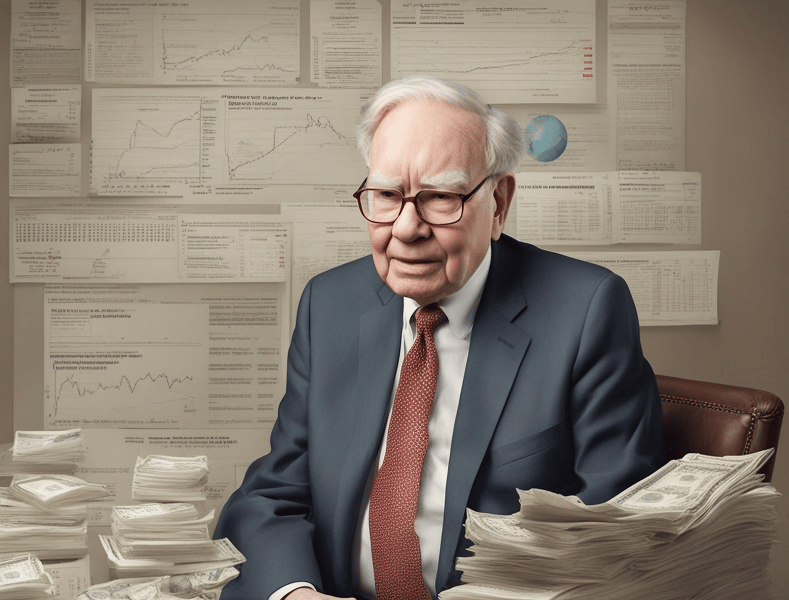
While many investors search for books by Warren Buffett, it is important to understand that Buffett is not known for writing traditional investing books in the usual sense. Instead, most books by Warren Buffett come from his shareholder letters, essays, interviews, and business discussions. His annual Berkshire Hathaway letters to shareholders, became some of the most studied investing materials in modern finance.
This is why titles like The Essays of Warren Buffett: Lessons for Corporate America and Berkshire Hathaway Letters to Shareholders are often considered his most important works. These books organize Buffett’s own words into practical lessons for investors, managers, and financial professionals. Rather than theory alone, they show how Buffett applies investing principles in real decisions.
The most famous book associated with Warren Buffett is The Essays of Warren Buffett: Lessons for Corporate America. Among all books by Warren Buffett, this title is often viewed as the clearest introduction to how he thinks about investing and business.
Unlike a traditional book written from start to finish, this work is built from Buffett’s Berkshire Hathaway shareholder letters. Lawrence Cunningham organized these letters into a more structured book format. Instead of reading years of letters one by one, readers can study Buffett’s ideas by topic. Cunningham’s editing helped turn Buffett’s shareholder letters into a single reference work.
The book covers several major subjects. It explains Buffett’s approach to investing, including value investing, intrinsic value, and buying businesses that are easy to understand. It also discusses management decisions, corporate governance, capital allocation, and how strong leaders create long-term business success.
Find out how the top financial planners in the US apply lessons from Warren Buffett’s books in this special report.
Here’s a look at Buffett’s other books currently available in the market:
While The Essays of Warren Buffett organizes Buffett’s ideas by topic, the Berkshire Hathaway Letters allows readers to study his thinking in its original form across decades of annual shareholder letters.
These letters were written to explain Berkshire Hathaway’s business decisions to shareholders and to attract investors who shared Buffett’s long-term mindset.
Buffett openly stated that his goal was to attract business-oriented owners and filter out buyers focused only on short-term market movements. Because of this, the letters focus on business quality, capital allocation, and rational decision-making.
The expanded versions, including Berkshire Hathaway Letters to Shareholders: 1965–2024, make this even more valuable. They allow readers to follow how Buffett’s investment philosophy developed from his earlier years to his more recent views on modern markets, capital management, and corporate leadership.
One reason these letters are among the best books by Warren Buffett is that they show both successes and mistakes. Buffett does not only discuss strong results. He also explains failures with unusual honesty.
For example, in his 2020 annual letter, he admitted that Berkshire overpaid for Precision Castparts, leading to an $11 billion write-down. He described it as an “ugly” loss and explained that he had been too optimistic about the company’s profit potential. This willingness to discuss mistakes gives investors a clearer view of disciplined investing.
For RIAs and financial professionals, these letters are more than historical records. They provide practical lessons on risk, patience, leadership, and capital preservation. That is why Berkshire Hathaway Letters to Shareholders remains one of the best books by Warren Buffett and one of the strongest references for long-term investment discipline.
Before Berkshire Hathaway became the center of Warren Buffett’s investing career, he managed the Buffett Partnerships from 1957 to 1970. The letters written during this period were later collected as Warren Buffett Partnership Letters 1957–1970 and remain one of the most valuable books for understanding his original investment framework.
These letters show Buffett before he became the “Oracle of Omaha.” They reveal how he approached investing when he was still building his reputation and managing partnership capital. Many of the principles that later defined Berkshire Hathaway already appear here, including long-term thinking, margin of safety, independent judgment, and disciplined capital allocation.
Here’s an overview of this book:
One of the strongest lessons in these letters is Buffett’s focus on long-term performance rather than short-term results. In 1960, he explained that his goal was not simply to beat the market in rising years but to achieve superior performance over time.
He noted that losing less in a bad year could be far better than matching the market during strong years. His thinking was measured over five years, not six months.
The letters also show Buffett’s early commitment to margin of safety. He explained that buying assets at bargain prices creates protection against permanent capital loss. His rule was simple: never depend on making a perfect sale. Instead, the purchase price should be attractive enough that even an average outcome produces strong returns.
These early letters also show Buffett’s views on concentration and diversification. He believed that owning too many stocks without strong conviction was poor investing. Instead, he preferred concentrating heavily on the best opportunities while still protecting against permanent loss through careful selection.
Warren Buffett on Business: Principles from the Sage of Omaha is a compilation of Buffett’s business philosophy, drawn from his shareholder letters, speeches, and management principles. It focuses on how Buffett evaluates companies not just as stocks but as operating businesses. This makes it useful for RIAs, investors, and managers who need to study the real strength of a company.
One of Buffett’s central ideas is that great investing starts with great businesses. He consistently prefers companies with strong economic characteristics and managers who act honestly and rationally. He does not separate investing from management quality. In his view, poor leadership can damage even a strong company, while excellent management can create lasting shareholder value.
The book also addresses executive compensation and incentives. Buffett believes that incentives shape behavior, and poorly designed compensation can create major problems inside a company. His writings explain how management decisions connect directly to corporate governance and shareholder outcomes. This makes the book useful not only for investors but also for executives and board members.
For professionals looking for the best books by Warren Buffett, this title stands out because it bridges investing and management. It reinforces Buffett’s larger message that long-term success comes from owning strong businesses run by capable people, not from chasing short-term market movements.
Thoughts of Chairman Buffett: Thirty Years of Unconventional Wisdom from the Sage of Omaha is one of the most useful books for readers who want to understand how he thinks beyond investing. Rather than focusing only on financial statements or valuation methods, this book collects Buffett’s observations, business judgment, and practical wisdom developed across decades of leadership at Berkshire Hathaway.
As the title suggests, the book is built around Buffett’s long-term reflections as chairman. It captures the mindset behind his decisions, showing how he approaches management, risk, discipline, and human behavior. This makes it valuable not only for investors but also for advisors, executives, and business owners who want to study how strong decision-making works in practice.
One reason this book stands out among books by Warren Buffett is that it shows how much of investing depends on behavior rather than technical skill alone. Buffett repeatedly explains that successful investing does not require a stratospheric IQ or unusual business insight.
What matters more is having a sound intellectual framework and the emotional discipline to follow it. This idea connects directly to the lessons he learned from The Intelligent Investor and continued applying throughout his career.
For RIAs and financial professionals, this book is especially helpful in client conversations. It supports discussions about patience, market volatility, and the importance of staying rational during uncertainty. Among the best books by Warren Buffett, this title offers something different: not just how to invest, but how to think like an investor.
Here’s more the oracle’s thoughts on life:
Check out our picks for the best books in investing that advisors, RIAs, and investors can use as guides for building strong portfolios.
Books by Warren Buffett continue to hold value because they focus on principles that do not expire. Markets change, industries evolve, and new investment trends appear every year, but the foundations of sound investing remain the same. Buffett’s writings consistently return to business quality, rational decision-making, and long-term discipline.
Whether you start with The Essays of Warren Buffett, Berkshire Hathaway Letters to Shareholders, or the earlier Warren Buffett Partnership Letters, the message stays clear. Good investing is not about chasing excitement or predicting short-term market moves. It is about understanding what you own, paying sensible prices, and allowing time to work in your favor.
Subscribe to InvestmentNews today for the latest analysis and advisor strategies to help you build stronger portfolios for your clients.

Winstone Wealth Partners joins Concurrent from Raymond James, pushing the RIA platform's assets past $23 billion this year.

Senior Democrats including Senator Bernie Sanders urge a DOJ and FBI investigation into thousands of allegedly fake comments backing DOL's private-assets 401(k) rule.

Total US retirement holdings jumped 7.9% in the second quarter, with 401(k) balances and IRA contributions both climbing despite lingering economic unease

Megadeals are surging in 2026, but small and mid-market transaction volume remains well below historical norms.

From a $1.5 billion California production pledge to possible cable channel sales and a CNN oversight board, the terms of a potential deal are taking shape.
As AI makes financial information more accessible than ever, Lana Hock explains why human judgment, trust, and empathy remain the qualities clients value most in a financial advisor
Northern Trust’s Ken Lassner shows advisors how to convert volatility into after-tax portfolio gains

