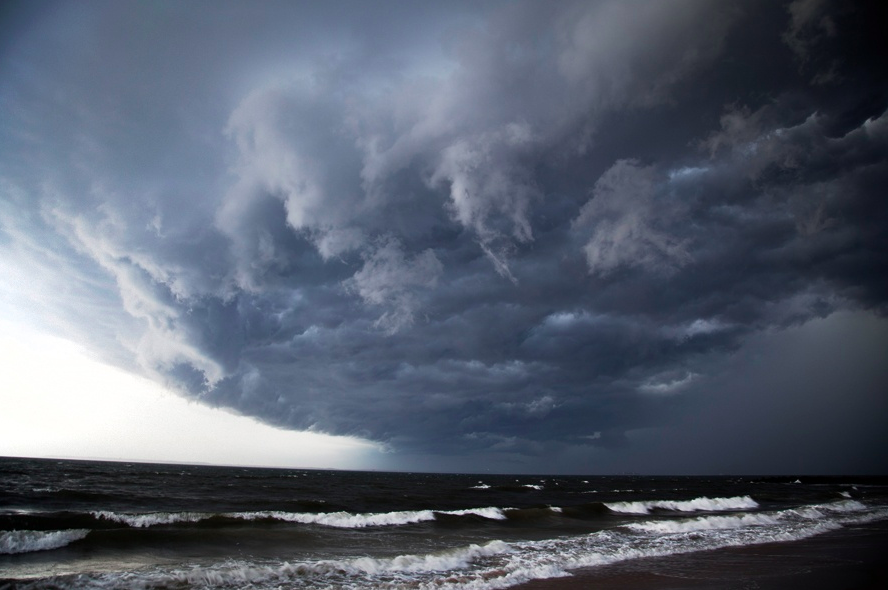
There's nothing like the threat of hurricane-force winds to get people thinking about how much
insurance coverage they have. But it shouldn't take a natural disaster for
financial advisers to start preaching the benefits of having the right kind of insurance coverage.
"We recommend everybody buys flood insurance, but some people still opt out," said Carolyn McClanahan, founder and director of
financial planning at
Life Planning Partners.
"Flooding is more than just what happens from hurricanes, you can get a flood from water backed up in the street," she said. "And it's cheap insurance because it's federally subsidized."
While the forecast for Hurricane Dorian now has it staying further offshore into the Atlantic Ocean, likely delivering 30 mile-per-hour winds to parts of the east coast, large storms stand out as
constant reminders to never let your guard down.
[Recommended video: Michael Kitces: Subtle word changes that make a significant difference with clients]
"For some people, who might not have seen a few of these hurricanes, they could be tempted to drop their insurance coverage because it wasn't as bad this time around. But we've seen so many bad things happen, it's crazy not to have it," Ms. McClanahan said. "We not only recommend the insurance; we ask clients every year if they've paid their premiums."
Thomas Balcom, founder of
1650 Wealth Management, reminds his clients to ensure coverage hits all the bases, including wind and flood, in addition to basic homeowners insurance, which might not cover certain types of damage.
"We have a home in Hilton Head, S.C., and three years ago when Hurricane Matthew hit, a tree went through the roof," he said. "That was considered wind damage, but during Superstorm Sandy in 2012, there was a lot of debate about what kind of insurance was going to cover all the homes that were on fire."
In terms of preparing for the worst, Tony Kono, a senior vice president at the public relations firm
JConnelly, assumed he was in good shape in his Brick Township, N.J. home that was built seven-and-a-half feet above the designated base flood elevation.
But after
Sandy inflicted $90,000 worth of damages to his property, including low-level flooding, Mr. Kono has become a local expert on storm damage and insurance coverage.
[More: The role of an adviser when the unexpected happens]
"When we bought the house, the realtor said we didn't need flood insurance, but the mortgage company said we did," he said. "Seventeen months later Sandy happened. We went through four years of meetings with FEMA and dealing with insurance companies."
Mr. Kono's experience was mostly positive. He said FEMA representatives came to his house two days after the storm and deposited $2,200 into his bank account for immediate living expenses.
Because he scrambled to apply for assistance immediately after the storm, Mr. Kono said within 10 days of the storm he had another check from his insurance company for $15,000.
Two years later, in 2014, FEMA offered to cover the $150,000 cost of lifting Mr. Kono's house an additional four feet to 11-and- a-half feet above the base flood elevation.
[More: Hurricane Florence will test limits of adviser contingency plans]
The house lift dropped his flood insurance premiums by $250 to $350 a year.
Gordy Bunch, owner of The Woodlands Insurance Co., said it's a mistake to let risk assessors like mortgage lenders or even the federal government be your guide when it comes disaster coverage.
Two years ago, when Hurricane Harvey hit the Houston area, 80% of the flooded structures were categorized by FEMA as being in the lowest-risk areas for flood damage.
Flood insurance in those lowest risk zones cost $488 per year and covers $250,000 for the home and $100,000 for the contents.
"Everybody should have flood coverage because unless you're living on the top of a mountain, every area has the potential to flood," said Mr. Bunch. "Most people don't realize that the risk of having a flood is about the same as the risk of having a fire, but most people only get flood insurance if their mortgage company requires it."