
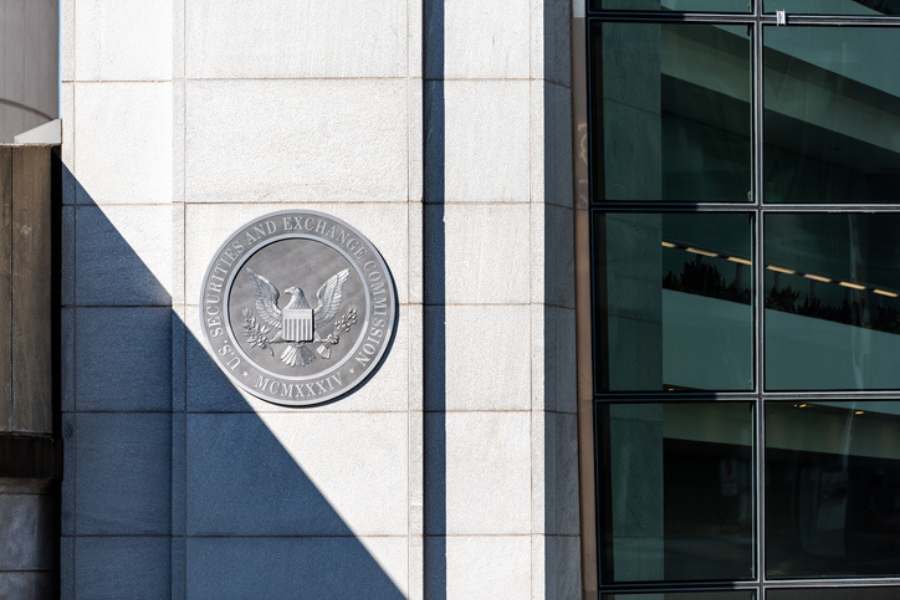
The Securities and Exchange Commission says two brothers solicited and lured more than 80 investors to participate in alleged $60 million Ponzi scheme.
It has also acquired emergency asset freezes against the duo and their respective entities to halt the scheme that it says operated between January 2023 and June 2024 and promised investment returns of 13.5%. The asset freezes were not opposed by the defendants.
Jonathan Adam of Angleton, Texas, and his firm GCZ Global LLC; and his brother, Tanner Adam of Miami, Florida, and his firm Triten Financial Group LLC are named in the SEC’s complaint which has been filed in the United States District Court for the Northern District of Georgia and charges the individuals and their entities with violating the antifraud provisions of the federal securities laws.
The SEC alleges that the brothers told investors that short of a global market meltdown their investments were safe and that the investments centered on a “bot” that operated on a crypto asset trading platform to identify arbitrage trading opportunities.
According to the complaint, investors were told that their funds would be used in a lending pool that would, through smart contracts, fund “flash loans” to complete these arbitrage trades. The SEC alleges that his lending pool did not exist.
It’s alleged that investor funds were used to pay returns to other investors and to fund a lavish lifestyle for the Adam brothers. The SEC also says that Jonathan Adam failed to tell investors that he had previously been convicted of three counts of securities fraud.
“As we allege, the Adam brothers promised their investors high returns on a crypto investment that did not exist, and then used investor funds to make Ponzi-like payments and to purchase designer goods, recreational vehicles, and million-dollar homes,” said Justin C. Jeffries, Associate Director of Enforcement in the SEC’s Atlanta Regional Office. “The SEC will use all tools at its disposal to stop those who exploit the excitement around new technologies to defraud investors.”
The defendants are presumed innocent until proven guilty in court.

A Nationwide survey finds 47% of GLP-1 users have never discussed the drugs’ financial impact with an advisor, even as many dip into savings.

The hundreds of millions of dollars from a sale of Inspired Healthcare properties does not mean an immediate windfall for investors.

Its SEC filings said one thing - a congressional probe said another.

Sham agreements allegedly padded revenue by 345%.

"Most pre-retirees are uncomfortable making key retirement income decisions without an advisor's help," said Chris Bailey of Cerulli.
Knighthead Life entered the market with a competitive MYGA. A strong launch earned advisor confidence and paved the way for FIAs.
As AI makes financial information more accessible than ever, Lana Hock explains why human judgment, trust, and empathy remain the qualities clients value most in a financial advisor

