
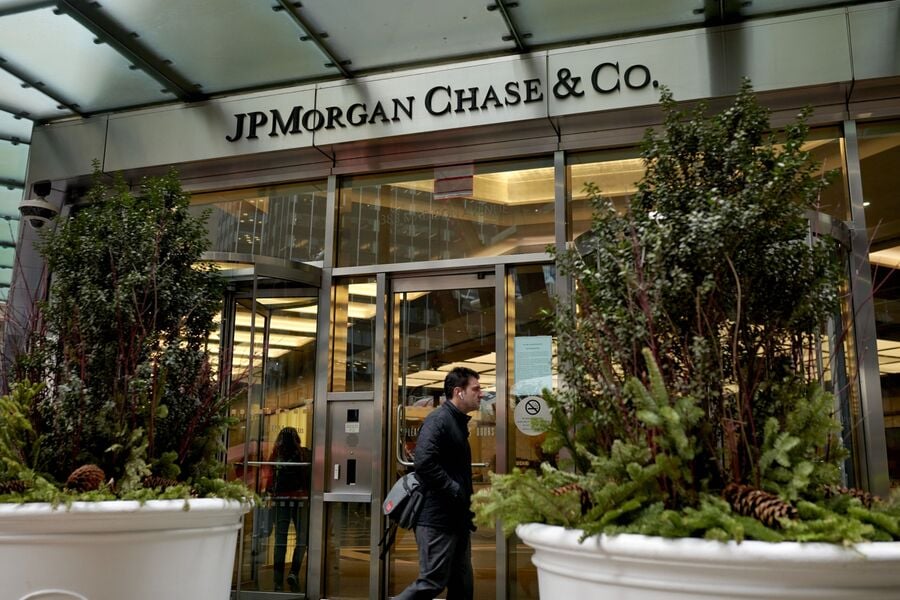
JPMorgan has become the latest big name to be implicated in the continuing rise of cash sweep complaints across the wealth space.
The largest US bank is facing a new class-action lawsuit, filed on Friday in Manhattan federal court, alleging that the bank funneled customers' idle cash into accounts with "unreasonably" low interest rates.
The lawsuit, reported by Reuters as well as other news outlets, accuses the largest US bank of shortchanging clients while allegedly benefiting from the arrangement.
The plaintiff, Illinois resident Dan Bodea, claims that JPMorgan’s cash sweep program allowed the bank to profit significantly by offering lower rates to customers, all while presenting itself as their fiduciary.
Bodea’s lawsuit seeks unspecified compensatory and punitive damages for what he describes as breaches of fiduciary duty, gross negligence, and unjust enrichment by the bank. However, the filing is silent on the exact interest rates provided by JPMorgan or how these compare with competitors.
Currently, some brokerages are offering sweep rates exceeding 4 percent, while US Treasury bills with maturities under three months are yielding over 5 percent. That spread raises questions about whether firms are adequately compensating clients for their cash deposits.
The case against JPMorgan is part of a broader trend of legal scrutiny and actions over cash sweep practices, a process where uninvested client funds are automatically transferred into interest-bearing accounts. The avalanche of lawsuits has already swept up several major wirehouses and broker-dealers including Ameriprise, LPL Financial, Morgan Stanley, UBS, and Wells Fargo.
The lawsuit follows recent revelations that the SEC is investigating cash sweep practices at Morgan Stanley and Wells Fargo, which recently disclosed that it has been engaged in settlement talks with regulators and has increased pricing on sweep deposits. Wells Fargo expects the move will weigh on future earnings as it reduces net interest income in quarterly reporting moving forward.
As firms across the wealth space raise rates on cash sweep accounts to stay competitive, IBDs and RIAs stand to be hit hardest, according to a recent analysis by Moody’s. By the ratings agency’s reckoning, that cohort is more likely to get squeezed as they have fewer revenue streams and carry substantial debt.
“Highly leveraged wealth managers face the greatest competitive risk from an increase in rates paid to clients and a corresponding decline in revenue,” Moody’s said. “[A]ny moves by larger firms to shift to more favorable client rates will likely drive similar shifts across the industry, posing particular risk for highly leveraged firms.”

A Nationwide survey finds 47% of GLP-1 users have never discussed the drugs’ financial impact with an advisor, even as many dip into savings.

The hundreds of millions of dollars from a sale of Inspired Healthcare properties does not mean an immediate windfall for investors.

Its SEC filings said one thing - a congressional probe said another.

Sham agreements allegedly padded revenue by 345%.

"Most pre-retirees are uncomfortable making key retirement income decisions without an advisor's help," said Chris Bailey of Cerulli.
Knighthead Life entered the market with a competitive MYGA. A strong launch earned advisor confidence and paved the way for FIAs.
As AI makes financial information more accessible than ever, Lana Hock explains why human judgment, trust, and empathy remain the qualities clients value most in a financial advisor

