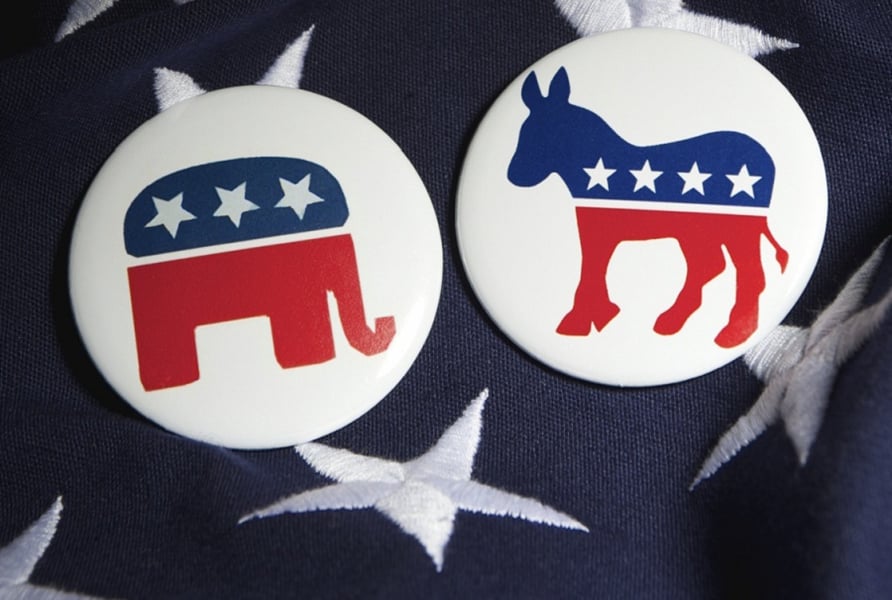
A Democratic takeover of the House isn't likely to influence the Securities and Exchange Commission's investment advice reform proposal despite one of the leading critics of the SEC's effort being poised to head the committee overseeing the agency.
In Tuesday's
midterm elections, Democrats
gained a House majority, while Republicans strengthened their
hold on the Senate.
The results mean Rep. Maxine Waters, D-Calif., is likely to become chairwoman of the House Financial Services Committee. As the current ranking member of the panel, she has pressed SEC chairman Jay Clayton to
strengthen the proposed Regulation Best Interest designed to raise broker advice standards.
Ms. Waters wants the SEC to impose the same fiduciary duty on brokers that investment advisers must meet. But it's unlikely she'll be able to force the agency to change direction because she'll run into resistance from the GOP Senate and the Trump administration.
"There are very few levers Democrats in the House can pull to block the SEC," said Brian Gardner, Washington research analyst for Keefe Bruyette Woods, an investment bank.
The most Ms. Waters likely can do is haul Mr. Clayton up to Capitol Hill for a hearing — and apply rhetorical heat.
"Any substantive legislation on a fiduciary advice requirement is going to run into a buzz saw if it reaches the Senate," said Duane Thompson, senior policy analyst at Fi360, a fiduciary training firm.
With
Democratic governors taking over in several states, there may be more momentum for fiduciary regulations in state houses.
"If you see any legislative action next year on a fiduciary standard, it will be at a state level, not in Congress," Mr. Thompson said.
Earlier this year, Ms. Waters worked with current committee chairman Jeb Hensarling, R-Texas, to gain House
approval for a legislative package — the JOBS and Investor Confidence Act, or JOBS Act 3.0 — to increase investment in start-up firms.
It includes the
Investment Adviser Regulatory Flexibility Improvement Act that would require the SEC to define more advisory firms as small businesses when assessing the impact of its regulations.
"I am optimistic we'll see new consideration of [the bill] leading to its enactment in the [next] Congress," said Neil Simon, vice president of government relations at the Investment Adviser Association.
The American Securities Association, which represents regional broker-dealers, plans to encourage Ms. Waters to support legislation that would bolster the broker protocol, which is under pressure from
brokerages leaving the pact.
Christopher Iacovella, ASA chief executive, argues that giving clients information they need on whether to follow their brokers is an aspect of investor protection.
"There's a lot of agreement between our group and expected chairwoman Maxine Waters on investor protection, small-business capital formation and privacy issues," Mr. Iacovella said.
ANNUITIES, RETIREMENT BILLS
Advocates for annuities are placing a lot of hope in Rep. Richard Neal, D-Mass., who is set to take over the House Ways and Means Committee.
"Retirement security has always been a top priority for him," said Kathleen Coulombe, vice president for federal relations at the American Council of Life Insurers.
Given that the issue is usually bipartisan and that it's been 12 years since Congress passed comprehensive retirement legislation, the time is right to "really move the needle on saving for retirement," she said.
The effort could begin as early as this month, when lawmakers meet to complete the business of the current Congress. House and Senate aides are looking for opportunities to advance legislation that would facilitate the use of annuities in 401(k) plans and increase workplace savings programs.
"There's an appetite to move a comprehensive retirement bill forward in the lame duck" congressional session, said Chris Spence, senior director of federal government relations at TIAA.
Two
advisers running for Congress — John Chrin in Pennsylvania and Neal Simon in Maryland — lost their bids.