
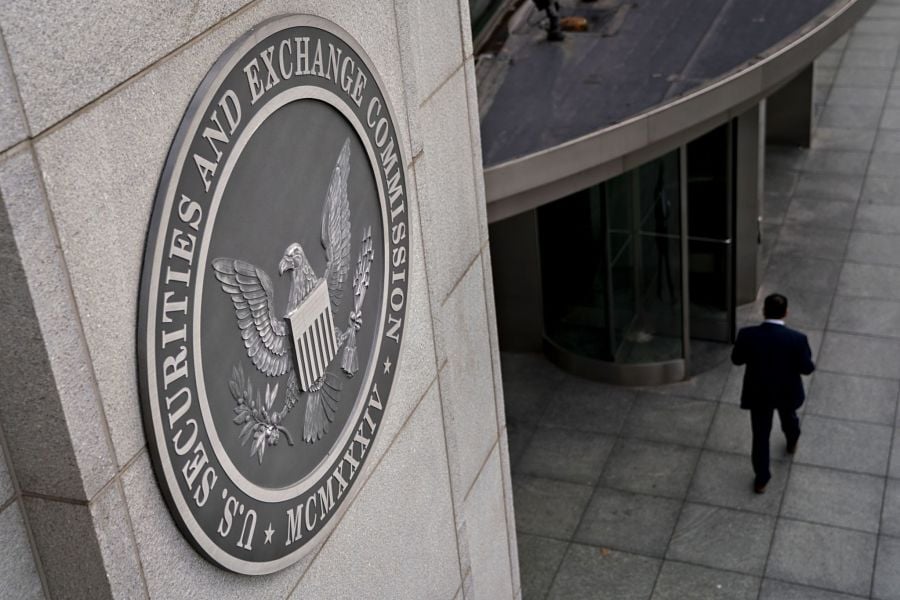
The Securities and Exchange Commission is set to impose a slate of new rules on money-market mutual funds, setting up a potential clash with titans in the $5.5 trillion industry.
Wall Street’s main regulator plans to hold a meeting next Wednesday to finalize the changes, which are meant to prevent the kind of outflows that occurred in March 2020 when the onset of the pandemic roiled markets. That turmoil prompted the Federal Reserve to intervene and rescue money-market funds for the second time in 12 years, spurring calls for the SEC to impose tougher regulations.
When it was introduced in December 2021, the SEC’s plan drew an immediate rebuke from industry. The proposal, which could differ from the final rules to be unveiled next week, would have imposed swing pricing requirements that critics said could make funds more costly and less attractive.
Money-market participants have been bracing for the regulations. As part of its administrative process, the SEC takes into account comments that it receives on proposals before holding a vote to finalize its rules, like the one scheduled for next Wednesday.
If adopted as proposed in December 2021, the new rules would:

Goldman Sachs retirement survey finds 83% want guaranteed income, while the annuities providing that income increasingly hold private credit.

The AI meeting assistant's Advisor Intelligence plugin turns client conversation data into annual reviews, tax scans and attrition alerts.
Chuck Roberts and Stifel have been facing scrutiny due to sales of structured products and structured notes.

Among other updates, the proposals would let advisors to regulated funds earn performance fees and allow interval funds to offer monthly repurchases.

What will financial advice look like 20 years from now? Evan Vladem explores how AI may transform wealth management while reinforcing the enduring value of human guidance, trust, and empathy.
As AI makes financial information more accessible than ever, Lana Hock explains why human judgment, trust, and empathy remain the qualities clients value most in a financial advisor
Northern Trust’s Ken Lassner shows advisors how to convert volatility into after-tax portfolio gains

