
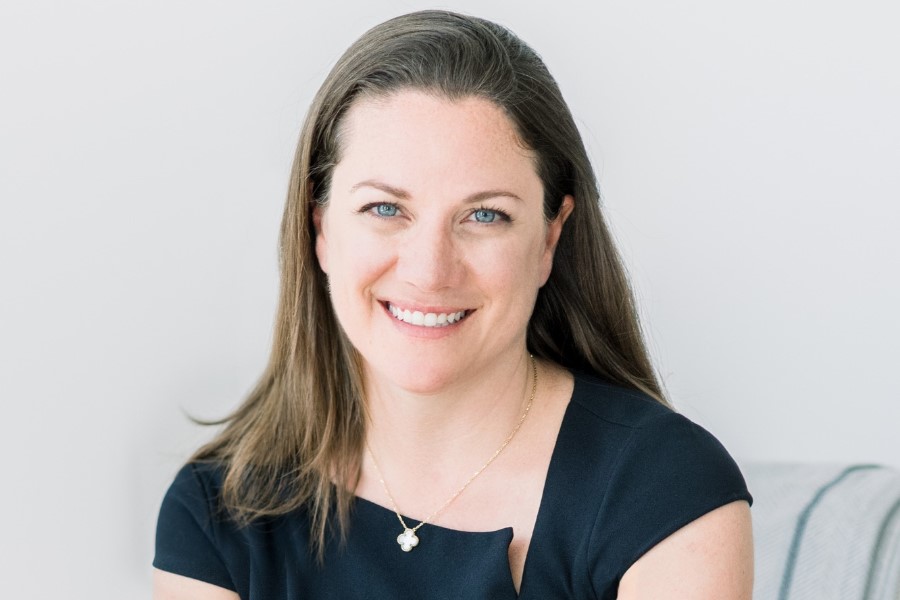
Sue Gardiner quit her position as a financial advisor about a year ago to tend to some family matters. She was only gone a couple of months, but she could hear the clock ticking on her industry licenses.
Advisors used to be able to retain their qualifications from passing broker and investment advisor exams for only two years if they left the financial industry. But under new rules promulgated by Finra and state securities regulators last year, that grace period has been pushed out to five years.
The North American Securities Administrators Association announced Wednesday the launch of its Exam Validity Extension Program, the technology component that will help advisors enroll in extended leave.
Gardiner, owner of South County Wealth Planning, welcomes the additional leeway.
“As a mother of three young kids — ages 2 to 7 — I am so pleased to see NASAA recognizing the need for some flexibility for the unpredictable circumstances life presents,” Gardiner said. “The current two-year standard can be limiting. If you step away from registration with a jurisdiction for a year, that only leaves you another year to begin a job search and land a job in time to keep your licensing.”
Eligible state-registered advisors can sign up for NASAA’s EVEP through their Financial Professional Gateway, or Finpro, account and extend their Series 63 exam qualification for up to five years, according to the NASAA announcement. Advisors must pay a $35 annual fee and meet continuing education requirements.
The Series 63 is a state registration requirement for broker-dealers. Later this year, NASAA will roll out a similar program for the Series 65 exam for investment advisor representatives. The extended validity is recognized when an advisor reenters the industry and registers in states that have adopted the program, NASAA said.
The NASAA initiative ensures state regulations for the licensing grace period align with those that have been put in place for broker-dealers by their self-regulatory organization, the Financial Industry Regulatory Authority Inc.
“There are definitely going to be people who take advantage of this flexibility,” said NASAA President Andrew Hartnett, who is the Iowa deputy insurance commissioner.
Ryan Galiotto, founder of Etch Financial, wishes the program had been in place a couple of years ago, when he took a leave to tend to an ailing parent.
“It was tough taking care of a father and maintaining a practice at the same time,” Galiotto said.
The looming threat of losing a securities license adds to the pressure.
“It’s like starting over again,” he said. “It’s a bear. It’s a hard test.”
The extended time to maintain a license also benefits advisors who want to give an alternative career path a try but want to maintain a foothold in the industry, said Sean Rawlings, founder of WealthBound Advisors.
“It gives you a longer runway,” Rawlings said. “The extension allows advisors to [take a leave] without feeling the stress that a test they worked hard for is just going to be wasted when they lose their license.”
The key to making the grace period work is the continuing education requirement, Gardiner said.
“Leaving an industry for such a limited time doesn’t mean you’ve lost the foundational knowledge and skill to do work in the profession you’ve trained and been proven in,” she said.
The extended leave accommodations could also attract job candidates to the investment advice sector, Galiotto said.
“It’s no secret that recruiting is tough in this industry,” he said. “Little things like this are going to help.”

Nearly half of private firms forgo 401(k) plans even as new data ties them to higher stock option uptake among employees.

New research finds just 12% of wealth management firms have reached AI leader status, and it isn't spending that separates them

Affinity fraud refers to investment scams that prey upon members of identifiable groups, such as religious or ethnic communities.

Self-serve access to Strategic Advice Manager promises onboarding in days, as RIAs weigh how deep to take AI adoption.

Elios Financial Group joins Carson Wealth as the Omaha RIA adds to a record year of industry dealmaking.
Northern Trust’s Ken Lassner shows advisors how to convert volatility into after-tax portfolio gains
Dan Biagini of American Equity says the steady decline of pensions, longer lifespans and a reset in interest rates are rewriting how advisors build retirement income

