
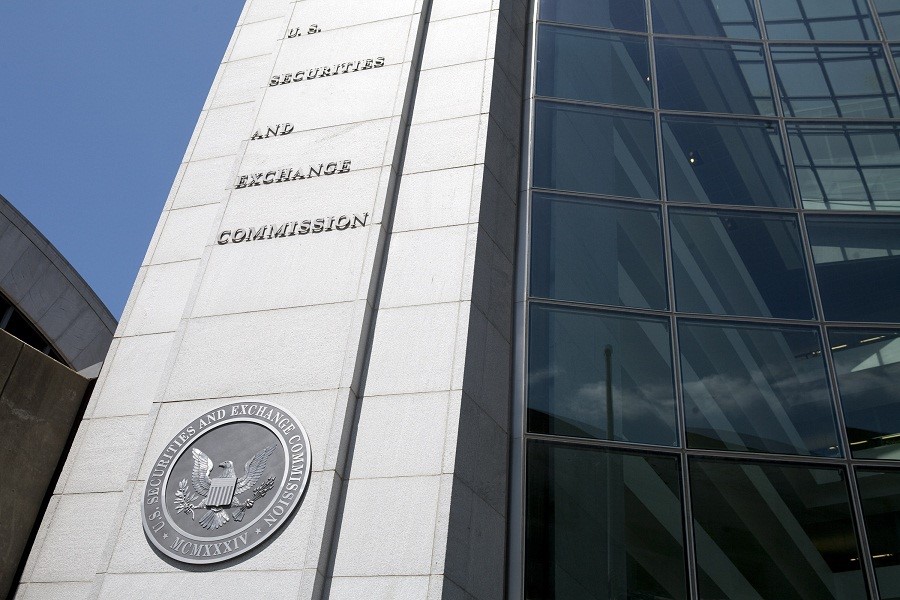
This story has been corrected to reflect a 45-day extension for filing Form ADVs.
Investment advisers should think twice before taking the Securities and Exchange Commission up on its offer of a deadline extension for filing their annual registration forms, according to compliance experts.
Late last week, the SEC issued an order giving investment advisers an extra 45 days to submit their registration documents, or Form ADVs, because of the impact of the COVID-19 outbreak.
Firms usually file ADVs at the end of March. The order covers those due through April 30.
The SEC states in its order that disruptions caused by the coronavirus “may limit investment advisers’ access to facilities, personnel, and third-party service providers” and cause them to delay filing Form ADVs and delivering them to clients.
The order says advisers must notify the SEC and their clients that they’ll miss the deadline and explain how the coronavirus caused the lapse.
That admission poses a danger for advisers because it may point to a problem with a firm's business continuity plans, said Brian Hamburger, chief executive of MarketCounsel, a business and regulatory compliance consultancy.
“That’s not a good look for advisers,” Mr. Hamburger said. “It doesn’t breed confidence with the regulators. It certainly doesn’t breed confidence with your clients while they are dealing with volatile markets. We’re strongly recommending that our clients not take the offer by the SEC to extend their [filing and delivery] obligations.”
The Form ADV disclosures are due 90 days after the end of a firm’s fiscal year. Most of them file the documents by the end of March.
If an advisory firm misses the deadline, it’s inviting questions at its next SEC exam about why it happened and why it couldn’t maintain its operations, Mr. Hamburger said.
If advisers take advantage of the SEC’s leniency, they'd better have a good reason – something that goes beyond having to work remotely, said Max Schatzow, a securities attorney at Stark & Stark.
“I wouldn’t rely on the relief just because we’ve closed our offices due to the coronavirus,” Mr. Schatzow said. “I would want to have more evidence to show why we were unable to meet the deadline.”
If an advisory firm doesn’t have the supporting evidence, it’s looking for trouble.
“The next thing you know, you might be getting examined on your business continuity planning,” Mr. Schatzow said.
The coronavirus can’t become a blanket excuse. The SEC will look for something more specific, said Jason Ewasko, managing director at Cipperman Compliance Services.
“My interpretation is that the regulator is expecting advisers to be honest and have legitimate reasons as to why they’re unable to file in a timely manner,” Mr. Ewasko said. “Working from your home, in and of itself, is probably not enough. If you’re fully able to, you should continue to file by the end of the month.”
The Investment Adviser Association said it advocated for the filing relief because many of its members said they were hamstrung by the coronavirus.
In a note to clients on Monday, Bates Compliance suggested that acceptable reasons for asking for a deadline extension include that the firm is are working with a “skeleton staff” that is unable to collect the information, that critical staff is focused on the market or client calls, that staff members have fallen ill or that third-party vendors did not deliver needed information.

A Nationwide survey finds 47% of GLP-1 users have never discussed the drugs’ financial impact with an advisor, even as many dip into savings.

The hundreds of millions of dollars from a sale of Inspired Healthcare properties does not mean an immediate windfall for investors.

Its SEC filings said one thing - a congressional probe said another.

Sham agreements allegedly padded revenue by 345%.

"Most pre-retirees are uncomfortable making key retirement income decisions without an advisor's help," said Chris Bailey of Cerulli.
Knighthead Life entered the market with a competitive MYGA. A strong launch earned advisor confidence and paved the way for FIAs.
As AI makes financial information more accessible than ever, Lana Hock explains why human judgment, trust, and empathy remain the qualities clients value most in a financial advisor

