
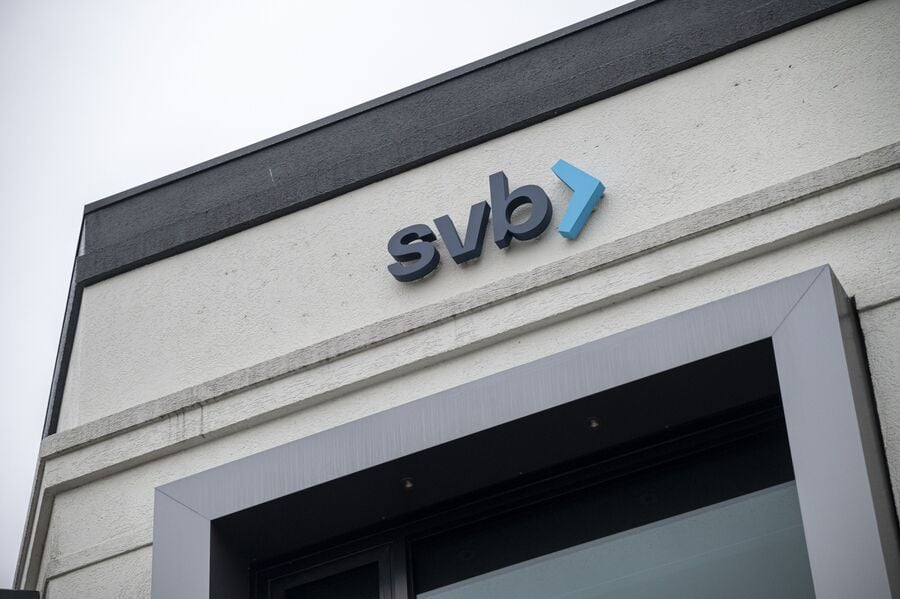
As the failures of Silicon Valley Bank and Signature Bank continue to rattle global markets, the lesson of this most recent banking crisis is clear: People who should have known better ignored the mounting risks. Corporate depositors that were among the banks’ big clients, bank management and directors, bank investors and regulators all should have been aware of the chief cause of the problem — asset-liability mismatches — and should have done something before the banks blew up.
The need to keep a sharp eye on risk is a lesson experienced financial advisors know well. They also know the price of being risk-savvy, which all those who looked the other way in the cases of SVB and Signature wished to avoid paying.
First, mom-and-pop depositors who kept less than $250,000 at the two banks bear no blame. Such depositors expect the Federal Deposit Insurance Corp. to do the job its ubiquitous bank-door stickers say it will do. This time, as in the past, that’s just what the FDIC did.
But to contain a possibly larger fallout, the FDIC, the Federal Reserve and the Treasury Department invoked a “systemic risk exception” so that all of the two banks’ depositors — including those whose holdings exceeding FDIC limits — would receive their money too. That action raises many policy and political questions as to whether large depositors, including wealthy individuals and giant and supposedly savvy tech companies, should have known better than to concentrate their assets at one financial institution and whether the banking system, and ultimately its customers, should pay for that mistake.
And what about the banks’ managers, particularly at SVB? While bond mathematics may puzzle novice investors, anyone running a bank or investing in one should know that when interest rates go up, the value of bonds goes down. Since the Fed’s intent and subsequent actions to raise short-term interest rates were hardly a secret, SVB managers could have taken various steps to dampen the effect. Bank regulators, including the Fed, also should have known how the math works and how raising interest rates would harm bank capital and liquidity.
Paying attention to risk before it smacks you in the face clearly seems to be the optimal risk management choice. But the truth — which long-time advisors know all too well — is that prudent risk management is rarely a crowd-pleaser before a crisis hits. Sometimes that’s because the advice seems so basic, like keeping deposits at any one bank to within the FDIC limits. Mostly it’s because avoiding certain risks usually translates into foregoing what’s trendy and often financially rewarding, at least in the short run. Wise advisors, and their clients, know that true risk management requires being resolute and having the courage not to follow the herd.

A Nationwide survey finds 47% of GLP-1 users have never discussed the drugs’ financial impact with an advisor, even as many dip into savings.

The hundreds of millions of dollars from a sale of Inspired Healthcare properties does not mean an immediate windfall for investors.

Its SEC filings said one thing - a congressional probe said another.

Sham agreements allegedly padded revenue by 345%.

"Most pre-retirees are uncomfortable making key retirement income decisions without an advisor's help," said Chris Bailey of Cerulli.
Knighthead Life entered the market with a competitive MYGA. A strong launch earned advisor confidence and paved the way for FIAs.
As AI makes financial information more accessible than ever, Lana Hock explains why human judgment, trust, and empathy remain the qualities clients value most in a financial advisor

