
The wealth management industry is approaching a pivotal moment, as trillions of dollars are expected to shift into the hands of younger generations while the advisor workforce continues to shrink.
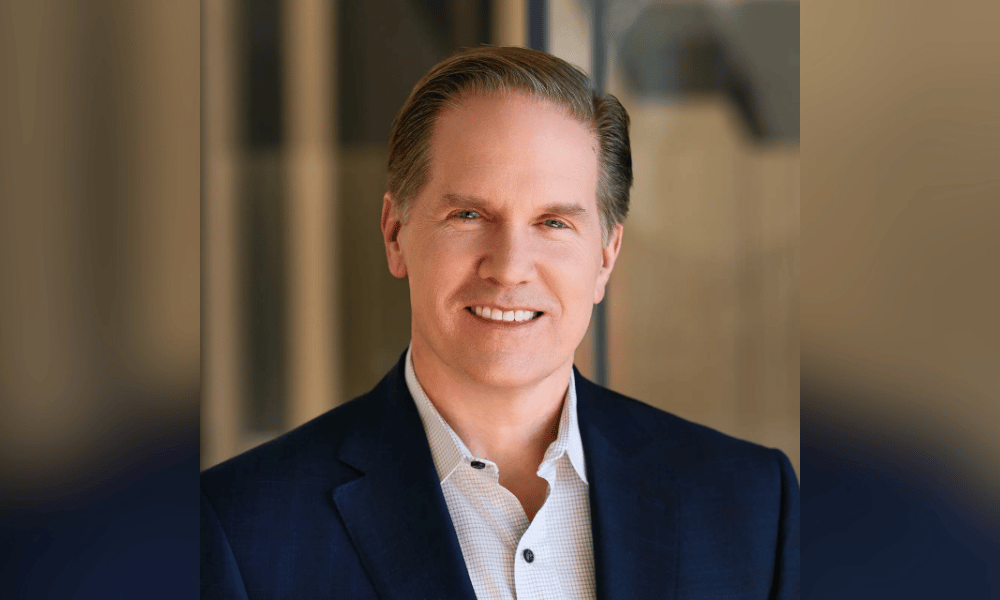
For Mike Perry, Guardian’s Head of Client Solutions and Wealth Management, this convergence presents both a challenge and an opportunity for financial professionals willing to adapt.
“The Great Wealth Transfer represents a real inflection point for advisors, particularly given that Guardian research shows that just three in 10 Millennial and Gen Z individuals rate their financial health as strong,” Perry told InvestmentNews.
“That gap creates an opportunity for advisors to rethink how they engage these clients.”
As Millennials and Gen Z investors take on a greater share of wealth, their expectations are reshaping how advice is delivered. According to Perry, these clients are looking for more than traditional portfolio management.
“Millennials and Gen Z want more than prescriptive advice; they want context. They care about why decisions matter, not just what to do. Education, goal-based planning, values-aligned investing, and tech-enabled communication tend to resonate more than traditional ‘beat the market’ narratives,” he said.
He added that, for many, success is defined by flexibility and confidence that supports real life goals, not short-term performance, and said that a broader, integrated approach is key to building lasting relationships with these clients.
“A holistic planning approach fits younger clients well because it starts with real-life goals as the basis and integrates protection, savings, and investments in one picture,” he said. “By tying everyday financial decisions to long-term outcomes, advisors can help clients build confidence while creating deeper, more durable relationships that extend across generations.”
At the same time, the industry is grappling with a wave of advisor retirements, raising questions about continuity and service quality. Perry emphasized that investors need to pay close attention to how their advisory relationships are structured.
“As advisor retirements accelerate, investors should focus on whether their advice model is built to last. That means asking who’s accountable for their financial strategy, how transitions are handled when an advisor steps away, and whether their plan is actively evolving as life and priorities change,” he said. “From our perspective, the strongest relationships are backed by a broader team, clear continuity planning, and a holistic approach that delivers consistent, thoughtful guidance at every stage of life.”
One way advisors can keep pace with rising client expectations is through continuous professional development. With financial planning becoming more complex, Perry stressed that education is no longer optional.
“Ongoing education is a must. Financial planning now covers tax law, estate strategy, retirement income, business succession, and risk management. Continuous learning is how advisors keep up and deliver for clients by asking better questions and anticipating issues before they become problems,” he said.
He also pointed to how investors can evaluate whether their advisor is staying current: “Investors should ask advisors how they stay current, what their specialties are, and if they work with tax or legal experts. Credentials like CFP, CFA, ChFC, or RICP also signal expertise.”
And firms themselves also have a role to play in supporting advisor development.
“Guardian invests heavily in advanced education for advisors through, for instance, ongoing technology and operations training, quarterly seminars on market volatility and tax efficiency, regional workshops, and our annual Wealth Management and Living Balance Sheet Summits,” he said.
Technology is another area where advisors are being pushed to evolve, but Perry underscored that its value lies in improving client outcomes, not just operational efficiency.
“At Guardian, our starting point is the Living Balance Sheet, which is purpose built technology designed to give clients a more complete, integrated view of their financial lives. By bringing protection, investments, cash flow, and long term goals together in one place, it creates clearer insight and better planning conversations because advisors and clients are working from the same holistic picture,” he explained.
Once that foundation is in place, newer tools can further enhance both the advisor and client experience.
“Tools like AIenabled digital assistants, including Zocks, Zoom AI, and Microsoft Copilot, help reduce errors, improve consistency, and streamline routine tasks, which frees advisors to spend more time where it matters most, helping clients think through tradeoffs, model scenarios, and make informed decisions as life changes,” Perry said.
Beyond efficiency, these technologies can also support growth and deepen client relationships.
“Together, these capabilities have the potential to further reduce administrative friction and give advisors more capacity to deepen relationships and support holistic financial wellness over the long term,” he added.
In an environment marked by market uncertainty, advisors are also being called upon to play a critical behavioral role. Perry highlighted the importance of balancing emotional coaching with sound portfolio strategy.
“Guardian research consistently shows that financial confidence is higher for individuals who work with a financial advisor. This can be especially true during times of market volatility,” he said.
He emphasized that maintaining discipline is often more important than reacting to short-term market movements.
“Advisors can add value by helping clients focus on long-term goals, not short-term noise. This means listening, explaining market shifts in plain language, and reminding clients their portfolios are built to weather storms,” Perry said.
“The goal isn’t to eliminate uncertainty, it’s to help clients make disciplined decisions even when markets are uncomfortable.”
Portfolio construction itself is also evolving, with growing interest in alternative investments. However, Perry cautioned that these strategies require careful consideration.
“Alternative investments are booming, but they’re not for everyone. They can offer diversification and growth but often come with less liquidity, longer time horizons, and more complexity than stocks and bonds,” he said.
“A trusted advisor helps clients weigh whether alternatives fit their goals, risk tolerance, and cash flow needs. There’s no one-size-fits-all solution.”
Finally, as advisory practices scale through technology and larger networks, maintaining trust remains paramount.
“Trust is built on consistency, clarity, accountability, and responsiveness. Even as firms grow, clients want to feel seen and heard,” Perry said.
He concluded that growth should enhance—not dilute—the client experience.
“Advisors can keep relationships strong by setting clear expectations, communicating regularly, and making sure scaling up never dilutes personalized advice. Growth should enhance, not diminish, the client experience. When clients feel informed and supported, trust lasts.”

Faulty Forms 1099 and account statements reportedly left some Vanguard brokerage customers overpaying or underpaying taxes for over a decade.

The democratization of ETFs cuts both ways

Independent broker-dealers snap up experienced advisors as competition for established practices intensifies.

Derek Flowers, a nearly 30-year veteran, is set to retire in mid-January, handing the reins to the executive who helped lead the bank's regulatory turnaround.

The campaign spans broadcast TV and streaming, as the brokerage faces slowing client net flows and an $8.1 billion advisor team that left to launch an RIA this month.
As AI makes financial information more accessible than ever, Lana Hock explains why human judgment, trust, and empathy remain the qualities clients value most in a financial advisor
Northern Trust’s Ken Lassner shows advisors how to convert volatility into after-tax portfolio gains

