
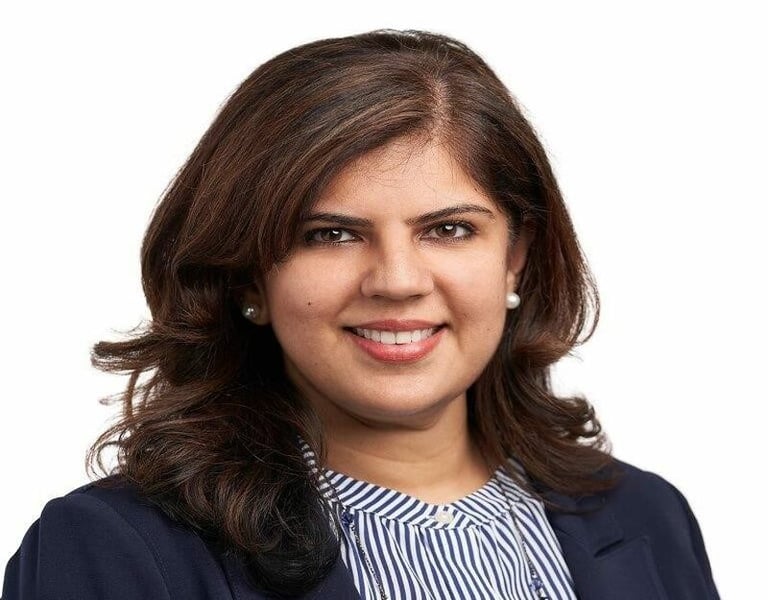
BNY Mellon Investor Solutions has hired former Neuberger Berman ESG portfolio specialist Manisha Ali as its head of responsible investing, the firm announced last Wednesday.
The role is a new one at BNY Mellon and is global in scope.
Ali had worked at Neuberger Berman since 2017 and was the firm’s portfolio specialist for its core equity and sustainable equity strategies.
In her role at BNY Mellon, Ali “will help build and shape the Investors Solutions Responsible Investing franchise, and work to identify best-in-class solutions,” the company stated. “Manisha will partner with investment management, wealth management and family office clients at different stages of their responsible investing journey.”
Ali is based in New York and reports to global head of investor solutions Sinead Colton Grant.
Previously, Ali had also been an associate director at Russell Investments, working on investment strategy and outsourced chief investment officer options for institutional clients.
BNY’s investor solutions group oversaw $25.1 billion in assets as of the end of June.
This story was originally published on ESG Clarity.

Salespeople at the firm often went beyond the matching algorithm to recommend network advisors on its Zoe Wealth platform, according to the regulator.

The Protect College Sports Act would cap school payments and codify NIL rights, with implications for advisors guiding young athletes.

"I know the number that I want to be able to retire on, and now I just want out," says Wilmington Trust's Marguerite Weese, describing a common refrain among business-owner clients.

Bessemer and Brown Brothers Harriman veteran Robert Ludricks III and private markets specialist Olof Akesson join the ultra-high-net-worth push on the East Coast.

765 investors were promised 260% annual returns on truck leases
As AI makes financial information more accessible than ever, Lana Hock explains why human judgment, trust, and empathy remain the qualities clients value most in a financial advisor
Northern Trust’s Ken Lassner shows advisors how to convert volatility into after-tax portfolio gains
