More than half a dozen firms peddling wine investments in the U.K. alone went belly up last year. Why have there been so many flops?
“Most funds collapse because they have the wrong structure, the wrong strategy and no focus on how to exit,” says Brian Mota, co-manager of The Wine Trust, a U.S. fund founded in 2010 with $15 million to $20 million in assets. Mr. Mota is convinced The Wine Trust's private-equity-fund-type setup, in which investors' money is locked in for eight years, is the most appropriate for wine.
“It's an illiquid investment,” Mr. Mota says, chuckling at the irony of his statement. “You can only maximize returns if you can sell at the right moment.”
Funds that allow investors to cash in whenever they wish have been vulnerable. Luxembourg-based Nobles Crus said it had wine assets worth 102 million euros (about $125 million) at the end of 2012, when a Belgian financial analyst and various media outlets questioned its valuation methods. Some investors rushed to get out, and the fund couldn't raise cash fast enough to honor redemption requests.
10 Most Valuable Baseball Cards
The Wine Trust doesn't follow the blue-chip-Bordeaux strategy favored by most funds. Instead, Mr. Mota and partner Timothy Clew seek out undervalued up-and-comers, several rungs down in the Bordeaux hierarchy, whose owners have been investing heavily to improve the wines' quality.
VOLATILE BORDEAUX
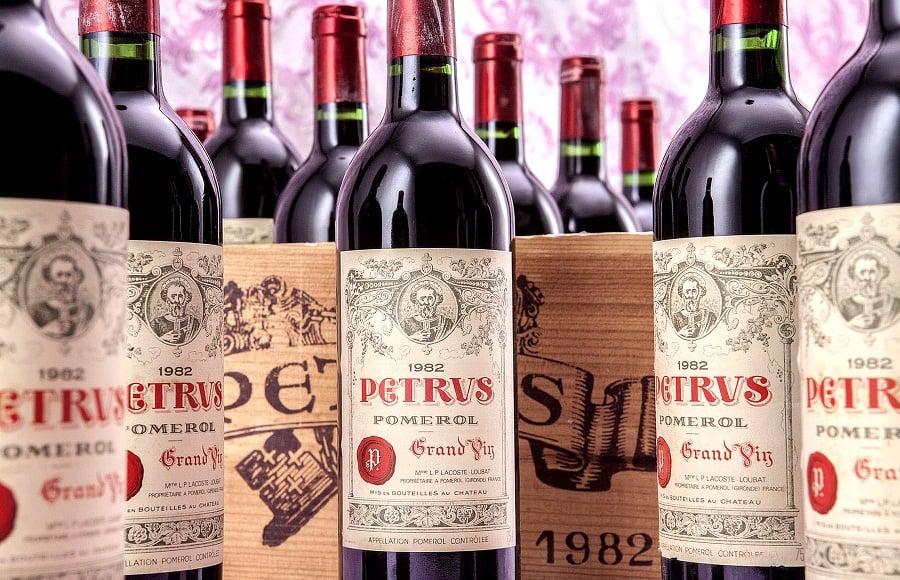
The price of 2009 Chateau Smith Haut Lafitte, for example, was up 143% from the end of June 2010 through mid-December, according to Liv-ex, the London-based fine-wine exchange. The region's first-growth wines, in comparison, appreciated 345% from June 2005 to June 2011 before falling 41% through November 2014, according to Liv-ex.
Manage your passion assets
The most-expensive wines fell the hardest as collectors, especially those in China, shifted their attention to Burgundy and other, less highly priced regions.
Another recently established fund, Carpe Vinum Partners' Fine Chateau Collector, doubles as a sort of exclusive club. One of Carpe Vinum's co-founders is Stanislas d'Aramon, whose family owns famed Chateau Figeac in St.-Emilion.
“It's partly a fund of consumption,” Mr. d'Aramon says. Investors in the fund -- which encompasses Burgundy, Rhone, Champagne and Louis XIII cognac in addition to Bordeaux -- are invited to luxury dinners with chateau owners and are able to withdraw their investments after a year in either cash or wine for personal consumption.