
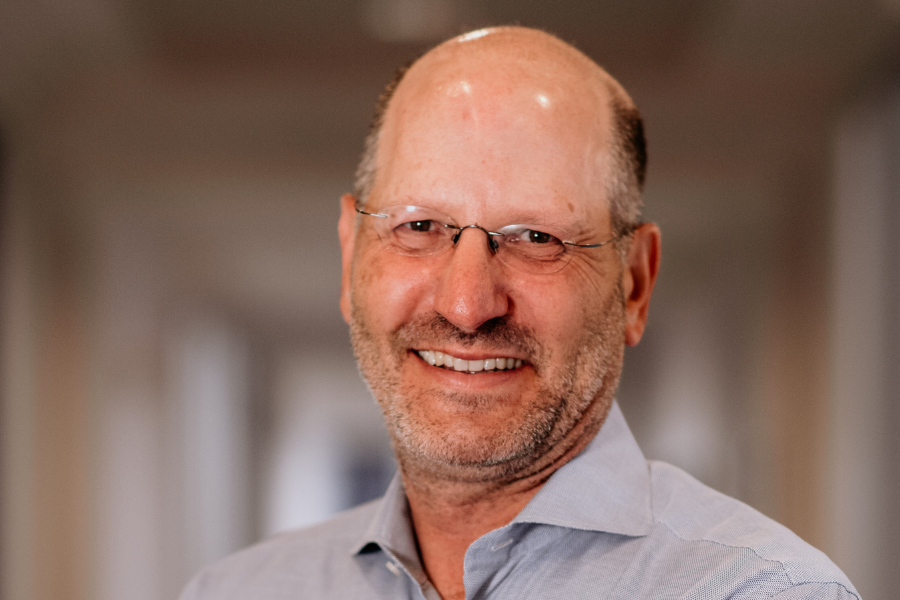
Lyle Wolberg, founding partner at Telemus, believes that the best client relationships start out with one core foundation – trust. He says that in order to optimize your wealth management strategies having mutual respect is critical.
“If you don't have the trust of your client, or they’ve not been referred to you from someone that they trust, you’re never going to get anywhere. The key is to really trust your clients. It means not always just talking about products or investments, but talking about how they are and what emotional state they're in - what problems can you help solve to allow them to enjoy their wealth and not worry.”
With the merger of Telemus Capital and Kovitz Investment Group, Wolberg initially believed that if they could generate a billion or two in assets, they’d provide enough services and cover all fixed costs. However, as client needs evolved, so did the firm's strategy. Wolberg anticipates more intra-firm mergers, especially as founding partners seek succession plans while ensuring their clients are well cared for.
"We were looking for a firm that could complement what we do, and that we could complement in return," Wolberg adds. "Their investment team is three or four times the size of ours, with more institutional investment expertise. We gained a lot of internally managed solutions.”
A significant benefit for Telemus and its clients was the strong private investment platform Kovitz boasts.
“They recently purchased a large multifamily private investment group called Origin," Wolberg adds. This addition allows Telemus to offer unique opportunities to ultra-high-net-worth clients, helping them grow and preserve their wealth in ways that differentiate them from both larger and smaller firms.
Despite a strong start, Wolberg was somewhat worried about the impact the merger could have on employees and their very unique set of values.
“The major drawback to me it was [thinking out what] would happen to my employees,” he says. “Because we have built such a strong culture. [However] the more I dug into it… we’re going to be the first of many going to do these intra-firm mergers. My employees actually came to me and said thank you for being early adopters of this new era of Super Regional firms. Because now they have more opportunity to grow their career than they did if we just stayed fully independent.”
Looking ahead to the future of the sector, Wolberg also shared some of the trends and areas Telemus is focusing on to stay ahead of the curve. One key area is the expansion of family office services to include more comprehensive concierge services.
“We have family office services, including bill paying and bookkeeping, but we're looking to add house management, property management, and household employee management," he says. "One of the things we haven't been able to do as a decent-sized RIA is dedicate enough resources to future advisor training. We'll bring them to different cities, train them for two years in a central location, give them multi-dimensional exposure to all aspects of the business, and then send them back to their home regions where their networks are. This way, they can develop and create their own relationships without the high-pressure sales quotas we see in some parts of the industry.”

LPL Financial and Raymond James also add independent advisors from Osaic and Edward Jones in Michigan and Arizona.

The SEC-registered RIA advises on more than $1 billion in client assets, with no advisory fee through 2027 and no human financial advisors.

The four wirehouse firms lost 1,449 experienced advisors and recruited 932 in the first six months of the year, according to Diamond Consultants.

Merit's 10th Commonwealth addition deepens its Western New York reach, while another Hightower partner joins its Signature Wealth platform in Michigan.

Report on Climate Action 100+ signals risk for passive managers' 13G status heading into the 2027 proxy season.
Knighthead Life entered the market with a competitive MYGA. A strong launch earned advisor confidence and paved the way for FIAs.
As AI makes financial information more accessible than ever, Lana Hock explains why human judgment, trust, and empathy remain the qualities clients value most in a financial advisor

