
Errors and omissions can be costly. Not just for lawyers, architects and consultants, but for RIAs too.
That’s why RIAs should carry Errors and Omissions (E&O) insurance, also known as professional liability insurance, even though it is not mandated by federal regulation. It protects them from the financial costs associated with negligence lawsuits, including legal fees, settlements, and judgments that arise from mistakes in their work.
And mistakes are indeed a risk that RIAs face, especially when providing guidance on insurance products.
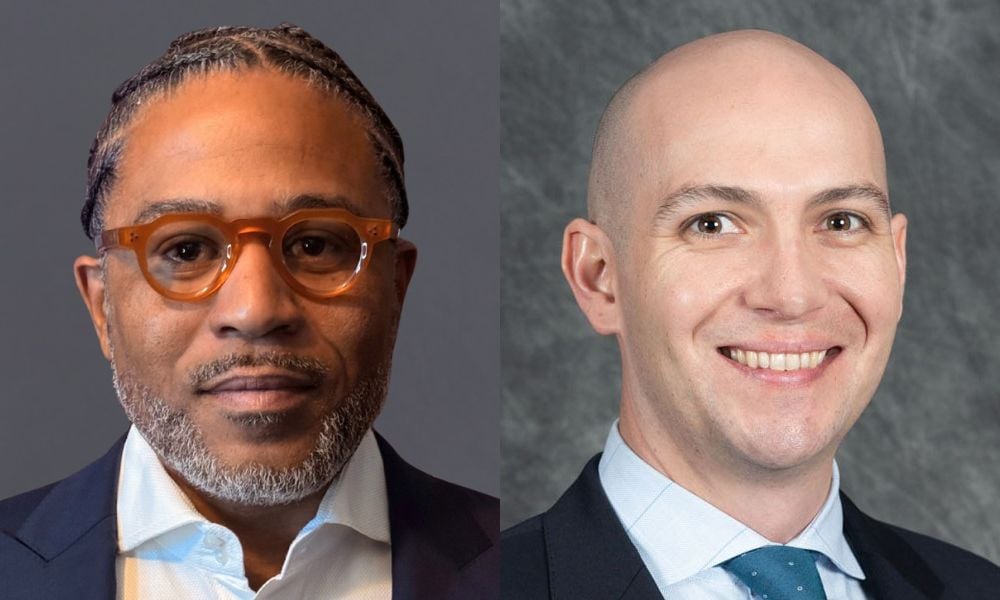
Kevin Thompson, founder and CEO of 9i Capital Group, believes E&O coverage is there to reduce exposure when clients claim an RIA acted outside of their fiduciary role. If a case goes against the RIA, then E&O provides restitution to the claimant and protects the firm from footing the entire bill.
“Much like any other risk, you’ve got to limit it as much as you can. Having extra lines of coverage in place matters. One of the biggest pitfalls is conflicts of interest -especially if you’re getting paid by a carrier and you don’t disclose it up front. That’s a fast track to failing an audit,” Thompson said.
Elsewhere, Brian Francetich, director of Golsan Scruggs RIA, believes most advisors are not deeply educated in the various facets of the insurance industry which includes life, health, annuity, disability, property and casualty. In his view, E&O, when properly crafted, will help defend allegations of unsuitable advice and recommendations.
“The key risk is competency and expertise of the subject. Yes, there are compliance and regulatory ‘do’s’ and ‘don’ts’ for the firm to address and handling this component should be addressed along with compliance consultants and attorneys. The primary risk, though, is having the industry knowledge regarding the particular line of insurance in order to provide best of class, unbiased, fiduciary advice,” Francetich said.
As scary as it sounds, there are protections for RIAs seeking to ensure their insurance advice aligns with fiduciary standards and, in the worst case scenario, a client files a claim. For example, having written guidelines and procedures on how recommendations are to be delivered as well as sign-offs by higher ranking officials within the agency can help mitigate and protect not only the client, but the agency.
“It is of utmost importance to have 'all' correspondence written and placed inside your CRM as well as emails archived to make sure you protect yourself and the client. Any correspondence needs to be archived so there is no miscommunication on delivery and substance of the recommendation,” Thompson said.
Francetich, meanwhile, sees two clear paths RIAs can take when making sure advice aligns with fiduciary standards. The first is to become an expert on the particular area of insurance, while the second is to find an expert to engage with the client similar to the way they might engage estate planning attorneys or CPAs.
“We sometimes see RIAs ‘wing it’ regarding insurance advice as compared to these other areas because it is seen as simple or basic. This simply may not be true and should be given more careful consideration as various details within the insurance industry can be very complex,” Francetich said.
Brian Francetich adds that it is critical that the RIA understand that not all E&O policies are created equal. In fact, they can vary widely in how they respond to a claim regarding “insurance guidance.” The definition of "Professional Services" or "Investment Advisor Services" requires careful review, according to Francetich.
“If an individual at the RIA holds the insurance license and is the broker of record on the transaction, this requires even more careful review of the E&O insurance contract language. There are many pitfalls here,” Francetich warns.

Siddharth Jawahar was sentenced 11 years in prison and $31M in restitution for running Swiftarc Capital fraud scheme

Wall Street banks expand wealth services as ultra-high-net-worth client demands extend further above and beyond investment management.

The acquisition of $2 billion Gilbert & Cook extends a buying spree for the ultra-high-net-worth firm that has already touched six states this year.

After years of encouraging sacrifice and delayed gratification, advisors have to do the next emotional lift: helping clients let go of a potentially harmful scarcity mindset.

A new JPMorganChase Institute report reveals how deeply stock market wealth now drives everyday American spending, especially for retirees.
Northern Trust’s Ken Lassner shows advisors how to convert volatility into after-tax portfolio gains
Dan Biagini of American Equity says the steady decline of pensions, longer lifespans and a reset in interest rates are rewriting how advisors build retirement income

