
Less than half of the affluent women surveyed in a recent HSBC study said they feel “extremely confident” in their financial plan, while only 32% feel prepared for long-term care needs.
Meanwhile, the study showed 70% of affluent women say financial education tailored to their life stage would improve financial decision-making.
Put it all together and it reveals a significant confidence gap around investing, estate planning and navigating inherited assets. A gap that can be significantly closed with the help of financial advisors.
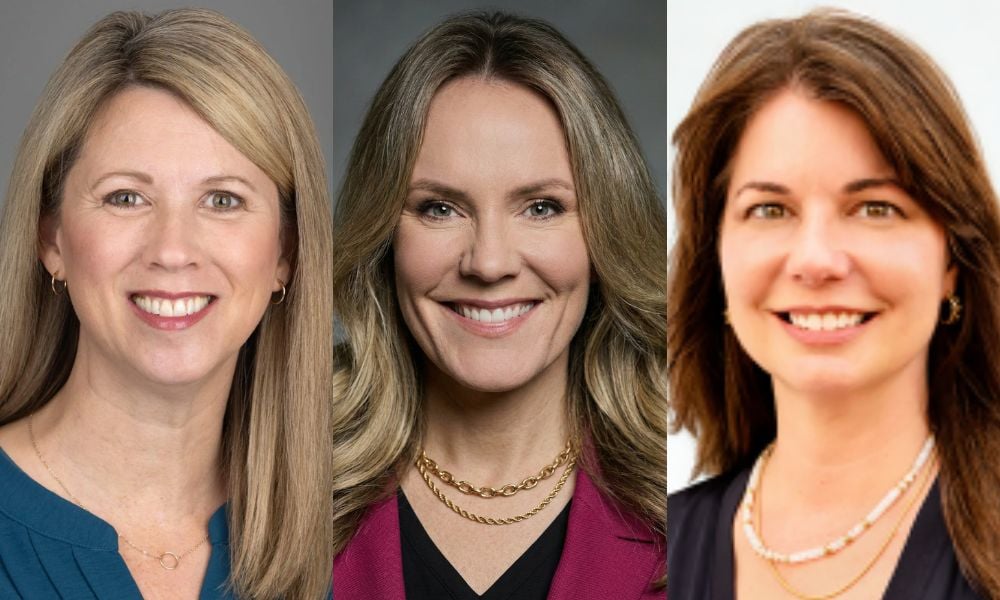
Laura Combs, head of women & wealth at Mercer Advisors, believes investing is one of the most significant areas for affluent women when it comes to financial literacy gaps. And it’s not necessarily about long term investing strategy because many women are excellent long-term investors once they are in the market. In fact, research consistently shows that women often outperform men because they take a more disciplined, long term approach.
The gap is often about when and how much to invest, according to Combs. Women tend to begin investing later and are more likely to hold larger cash balances for longer periods of time. They may invest more conservatively or invest smaller amounts earlier on.
“Over time, those decisions can create meaningful differences in long term outcomes even though the underlying discipline is strong,” Combs said.
She says another major gap appears when women inherit wealth. Inheritance is often framed as a financial event, but in reality it is also a tax and planning event. Many women are navigating questions about inherited IRAs, required distributions, capital gains, and how a sudden increase in income can push them into higher tax brackets. Understanding how those pieces interact with an investment strategy is critical.
“This is where working with a professional can add tremendous value. The intersection of taxes, investments, estate planning, and cash flow planning is complex. When those elements are coordinated properly, women can make decisions with far greater clarity and confidence,” Combs said.
Elsewhere, Sara Stanich, founder of Cultivating Wealth, said financial confidence among affluent women is more of a “mindset issue than a math problem.”
“Even with 5 million dollars in the bank, many women veer between two extremes: financial anxiety to the point of being afraid to spend money, or financial avoidance regarding the impact of spending on their long-term outlook. This creates a sense of fragility, where they worry that one market cycle or a major life transition could dismantle everything they have built,” Stanich said.
Stanich adds that the most significant gap she sees is in asset diversification for entrepreneurs. Many high-net-worth women have built incredible businesses, but their wealth is concentrated inside that single entity. In her view, there is a massive literacy gap regarding how to systematically move wealth out of the business and into personal retirement accounts, brokerage portfolios, and diversified assets.
“The easiest win is often helping our clients build a habit of investing outside their retirement accounts at work, which we certainly want them to maximize as well,” Stanich said.
She also worries that many are seeing so-called financial secrets on social media that are either ineffective or entirely inappropriate for their specific situation.
Moving on, Krista McBeath, president of McBeath Financial Group, believes the biggest gaps typically show up at transition points, not in day-to-day finances.
“Women are often very capable managers of cash flow and budgeting, but gaps tend to emerge around estate planning, investments and inheritance,” McBeath said.
“Confidence doesn’t come from affluence alone, it grows from understanding why decisions are being made, how each part of the financial picture connects, and what levers can be pulled as life evolves. When planning is collaborative, transparent, and tied to real‑life scenarios, not just projections, confidence follows, McBeath said.

The Protect College Sports Act would cap school payments and codify NIL rights, with implications for advisors guiding young athletes.

"I know the number that I want to be able to retire on, and now I just want out," says Wilmington Trust's Marguerite Weese, describing a common refrain among business-owner clients.

Bessemer and Brown Brothers Harriman veteran Robert Ludricks III and private markets specialist Olof Akesson join the ultra-high-net-worth push on the East Coast.

Senate Democrats seek data on data center deductions under the 2025 tax law as proposals to tax artificial intelligence multiply.

Geopolitical shocks and market volatility pushed advisor deal decisions off course, denting third-quarter transaction volume by 19 percent.
As AI makes financial information more accessible than ever, Lana Hock explains why human judgment, trust, and empathy remain the qualities clients value most in a financial advisor
Northern Trust’s Ken Lassner shows advisors how to convert volatility into after-tax portfolio gains

