Help clients 'think straight' during life transitions

Help clients 'think straight' during life transitions
Being there for clients at tough times requires patience but encourages loyalty and referrals.
JUL 16, 2015
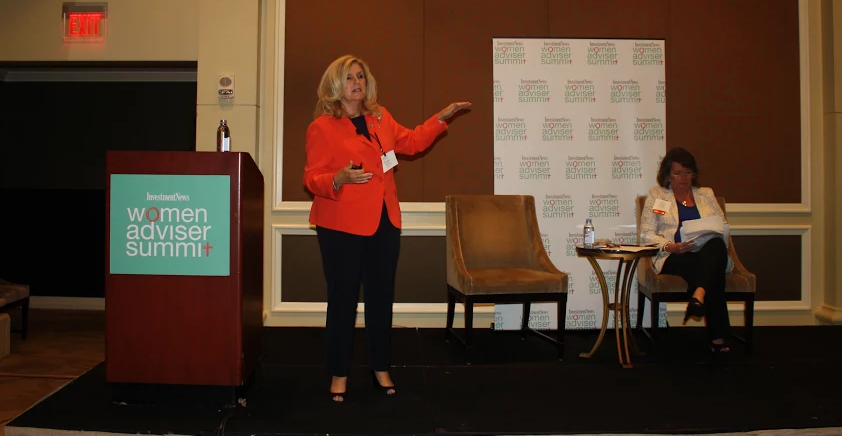
Advisers with the skills to help clients through transitions such as divorce, widowhood, career changes and other situations will find they have an especially loyal clientele. But these clients take more patience and empathy than the average client, an expert warned. "It's true that people in transition take a lot more time," said Susan Bradley, founder of The Sudden Money Institute. "But you generally have a client for life, and you have a great referral source." The key to retaining or attracting clients during such life changes is to focus on the personal side, not the technical planning aspects, which, of course, also have to be there, Ms. Bradley said at the InvestmentNews Women Adviser Summit in Washington on Tuesday. (More: How to talk to clients who have just been widowed) "We need to help people in transitions become a bigger, better version of themselves," she said. During such periods, clients often experience difficulties thinking straight and making decisions. Advisers can help by making them feel more comfortable with uncertain timelines, showing them they have control over their lives and keeping them "safe" until their thinking capacity returns, she said. "Transitions are an opportunity for you as a financial adviser," said Carol Weinberg, a partner at NCA Financial Planners, at the summit. More advisers need to learn how to help people get through these challenging life events. (More: This 99-year-old adviser has never lost a client) "Let's start coping with the idea that life just happens," Ms. Weinberg said. Ms. Bradley suggested using four questions to help ease concerns of clients during transitions: • Is there anything else you want to talk about today? • Is anything leaving you unsettled today? • If you feel disconnected from the advice I'm telling you, what will I see from you and is it OK if I ask you about it if I see it? • Are there expectations of other people that need to be considered as you are making decisions?

Latest News

Federal judge dismisses Eltek manipulation lawsuit against Morgan Stanley Smith Barney

Nine-month electronic trading freeze and share lending program at the center of dismissed claim.

RIA wrap: Dynamic strikes South Carolina deal to reach $7B AUM milestone

Meanwhile, Rossby Financial's leadership buildout rolls on with a new COO appointment as Balefire Wealth welcomes a distinguished retirement specialist to its national network.

Rethinking diversification amid a concentrated S&P 500

With a smaller group of companies driving stock market performance, advisors must work more intentionally to manage concentration risks within client portfolios.

Merrill pays second settlement to former Miami Dolphins player, client of ex-broker

Professional athletes are often targets of scam artists and are particularly vulnerable to fraud.

Schwab touts AI as its biggest growth lever at investor day

The brokerage giant tells Wall Street it will use artificial intelligence to reach clients it has never been able to serve — and turn the technology's perceived threat into a competitive edge.

SPONSORED Beyond wealth management: Why the future of advice is becoming more human

As technical expertise becomes increasingly commoditized, advisors who can integrate strategy, relationships, and specialized expertise into a cohesive client experience will define the next era of wealth management

SPONSORED Durability over scale: What actually defines a great advisory firm

Growth may get the headlines, but in my experience, longevity is earned through structure, culture, and discipline