
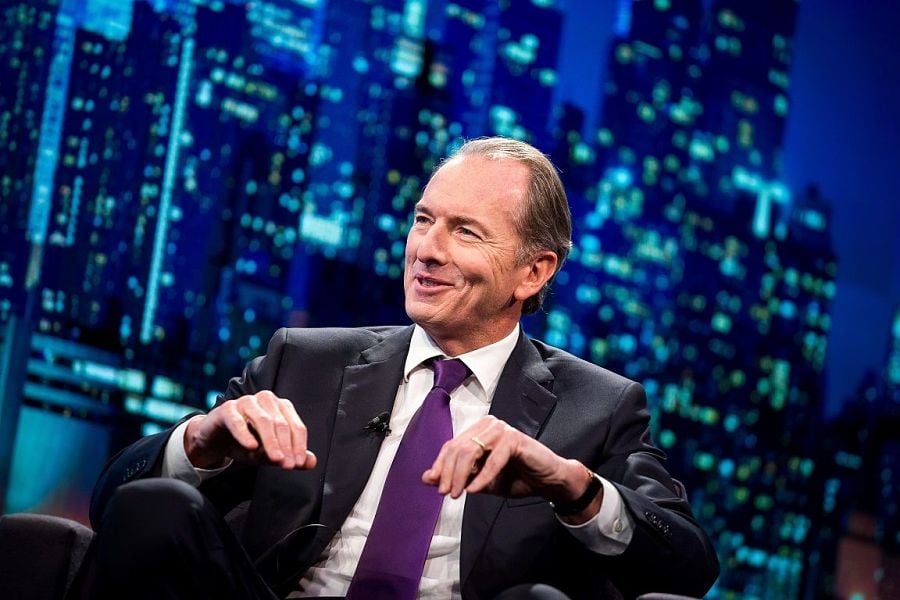
Morgan Stanley Chief Executive James Gorman leaped past JPMorgan Chase & Co.’s Jamie Dimon to become the best-paid CEO of a major U.S. bank.
Morgan Stanley boosted Gorman’s pay 22% to $33 million for 2020, when the Wall Street bank posted its third consecutive year of record earnings.
His pay includes $1.5 million in salary and a $7.88 million bonus, the firm said Friday in a filing. The vast majority is in the form of $23.6 million in long-term awards, which pay out in shares and are partially tied to return-on-equity and shareholder-return targets.
JPMorgan, the largest U.S. bank, kept Dimon’s total compensation unchanged at $31.5 million for his work in 2020.
Gorman’s bank is fresh off another year of record earnings and carried out two of the largest deals by a top Wall Street bank. The accompanying stock surge lifted its market value past $130 billion, or nearly 30% more than Goldman Sachs Group Inc.
The Morgan Stanley chief took a surprise pay cut for 2019 amid record revenues and profit. The decision was tied to cost-cutting efforts and a round of layoffs.
In 2020, Morgan Stanley stuck to its promise of not undertaking job cuts to reassure jittery staff concerned about the course of the pandemic. Some rivals that made a similar pledge changed course as it became apparent that the problems wrought by the virus were likely to outlast their willingness to keep cost-cutting on hold.

The financial advice industry has been facing inquiries into its cash sweep programs for years now.

Investor money allegedly went to strip clubs, exotic cars, and landscaping

Procyon adds $415 million in assets under management in New Jersey while Savant picks up a $213 million Southern California planning firm

With a growing number of real estate-rich Baby Boomers aging into retirement, some advisors may be failing to consider all the options available for those clients' assets.

Cornerstone Advisors study reveals compliance bottlenecks stall campaigns weeks after customer opportunities close.
As AI makes financial information more accessible than ever, Lana Hock explains why human judgment, trust, and empathy remain the qualities clients value most in a financial advisor
Northern Trust’s Ken Lassner shows advisors how to convert volatility into after-tax portfolio gains

