
The Association of African American Financial Advisors is throwing its weight behind a new House bill that would modernize how independent financial advisors receive commissions, arguing the change is a necessary step to grow Black-owned firms and expand access to advice in underserved communities.
In a joint statement with the Financial Services Institute last month, the association otherwise known as Quad-A praised the Clarity for Compensation Act as a way to clean up outdated rules that complicate how small firms pay their people.
“Independent financial advisors are small-business owners, and the current rules create unnecessary administrative burdens that hinder reinvestment in their businesses and growth,” Alex David, Quad-A board chair and president and CEO at Equity Services, said in the January statement. “Removing these barriers will help practices attract and hire new, diverse talent, particularly young professionals who rely on salaries as they establish themselves within the profession.”
“Independent financial advisors need clarity and certainty that receiving commissions through their business entities will not expose them to claims by a future SEC that they are required to register as broker-dealers,” added FSI president and CEO Dale Brown, who stressed the need for rules independent advisors can rely on, rather than a patchwork of staff guidance.
“This bill ensures that these businesses can operate more efficiently, recruit the next generation of advisors, and offer their clients a wider range of products and services to better meet their financial needs,” Brown said.
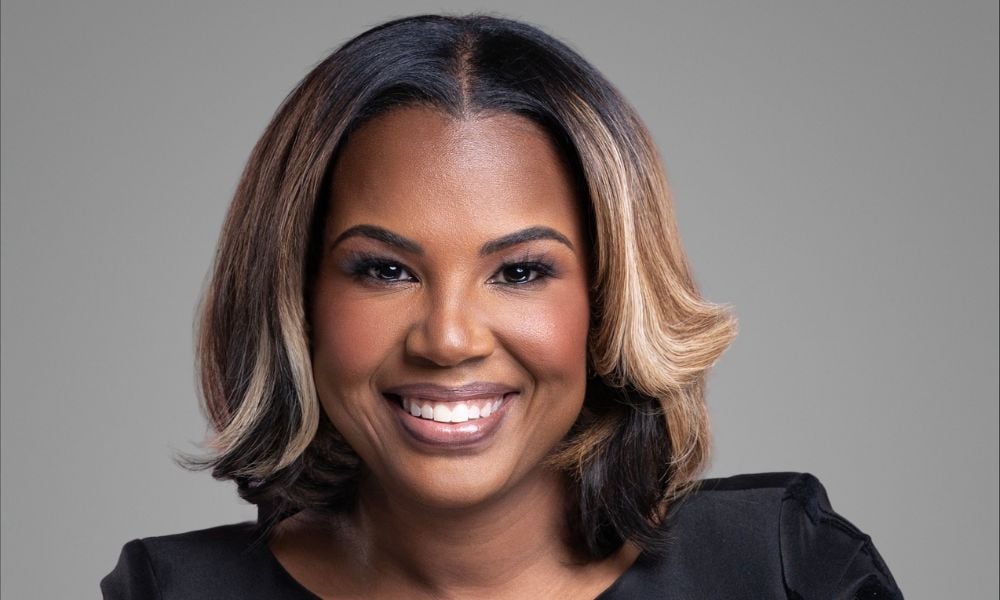
Sheena Gray, chief executive officer at Quad-A, said the bipartisan legislation goes to the heart of how first-generation firm owners build sustainable businesses.
“As CEO of the Association of African American Advisors, I represent independent African-American financial advisors across the country, many of whom are first-generation firm owners building enterprises without inherited capital or legacy infrastructure,” Gray said in comments provided to InvestmentNews. “Allowing commissions to be paid directly to an advisor’s business entity reflects how modern advisory firms actually operate.”
The bipartisan proposal introduced by Rep. Zach Nunn of Iowa and Rep. Gregory Meeks of New York would create a carve-out in the Securities Exchange Act of 1934 allowing commissions to be paid to certain “personal services” entities owned by registered representatives, without forcing those entities to register as broker-dealers. Supporters describe it as a targeted fix aimed at bringing securities rules in line with the ensemble-firm structures that now dominate the independent space.
“Compensation structure affects everything from tax planning to reinvestment in staff, technology, and long-term enterprise value,” Gray said. “When regulatory frameworks lag behind business realities, the burden is not evenly distributed.”
For Quad-A, current regulations place the heaviest burden on the very firms trying to open doors for new talent of color. When commission payments are routed through individuals rather than corporate entities, it can complicate issues such as payroll, benefits and succession planning.
“Modernization is about removing structural friction so diverse advisors can scale and build sustainable firms,” Gray said. “And firm sustainability is directly tied to long-term representation and economic mobility within this profession.”
She also stressed the role of independent ownership among aspiring advisors who may not see themselves reflected in large institutions. While small businesses do good work by hiring locally, leaning into mentorship, and creating visible leadership tracks, she said they also tend to struggle under thin margins while negotiating regulations that were written for a different time.
“Ownership matters,” she said. “Independent Black advisor-owners are often the true gateway into this profession for emerging talent of color.”
The challenge of hiring for diversity looms large in a profession struggling to broaden its ranks and replace an aging advisor base. To help create a vibrant advisor force for the future, Gray said many early-career professionals, especially those without family wealth or financial cushions, "need stable income while building a book of business.”
“If firm owners lack flexibility in how compensation flows through their entities, hiring becomes more difficult and the diversity pipeline narrows,” she said.
The bill would not give firms a free pass from oversight. To qualify for the exemption, a personal services entity would need to be owned only by the registered representative, or by the representative and certain immediate family members. It would also have to maintain a written agreement with the broker-dealer, meet recordkeeping requirements, and remain subject to examinations by the SEC and the relevant self-regulatory organization to which the advisor reports.
For the broader industry, the measure would also be a way to replace interpretive uncertainty with statutory clarity. In November, the SEC issued a no-action letter granting limited relief for routing commissions to ensemble practices, which Gray welcomed as a step in the right direction.
“The SEC’s no-action letter was a helpful acknowledgment of modern ensemble structures,” she said. “However, it remains limited and interpretive.”
Quad-A is careful not to oversell what legislation like this can accomplish on its own. Gray said modernizing payment rules will not close the racial wealth gap or fix long-standing issues around access to financial planning. But she argues that stronger independent firms are a prerequisite for meaningful change on the ground in Black communities.
“Black communities remain underserved in comprehensive financial planning not because the need isn’t there, but because advisor density is low,” she stressed. “When advisory firms are structurally stronger, they are better positioned to invest in staff, infrastructure, and comprehensive planning tools.”
The conversation is unfolding alongside the industry’s longer pivot toward fee-based advice. The most recent RIA industry snapshot by the Investment Adviser Association found that as of 2024, 95.5% of SEC-registered firms offered a fee-based compensation arrangement based on AUM, though an internal survey by InvestmentNews in 2024 also found nearly half of advisors still rely on commissions.
For her part, Gray said the shift toward fees has been a positive step for transparency and fiduciary discussions, but warned against treating any single compensation model as a cure-all.
“Compensation structure alone does not determine whether an advisor acts in a client’s best interest – standards of care and accountability do,” she said. “From a diversity and access standpoint, flexibility matters.”

Retiring RIA seller David Laidlaw alleges the Carnegie valued his stake on $11.7 million EBITA while pitching potential buyers on $21.3 million.

New tool gives RIAs and family offices AI help vetting private market deals, with some users reportedly halving review time.

Investors got projected returns dressed up as real ones, SEC says

Parents must still act to get the $1,000 federal seed and employer contributions, giving financial advisors a role in the rollout.

FINRA booted Rudy Anguiano from the industry for “conversion - the intentional and unauthorized taking of another person’s property.”
As AI makes financial information more accessible than ever, Lana Hock explains why human judgment, trust, and empathy remain the qualities clients value most in a financial advisor
Northern Trust’s Ken Lassner shows advisors how to convert volatility into after-tax portfolio gains

