
For a growing share of wealthy clients, the snowbird label no longer fits. Families who once simply wintered in Florida now split their year among several residences and international travel. The advisors who serve them are spending more time on the road to keep up.
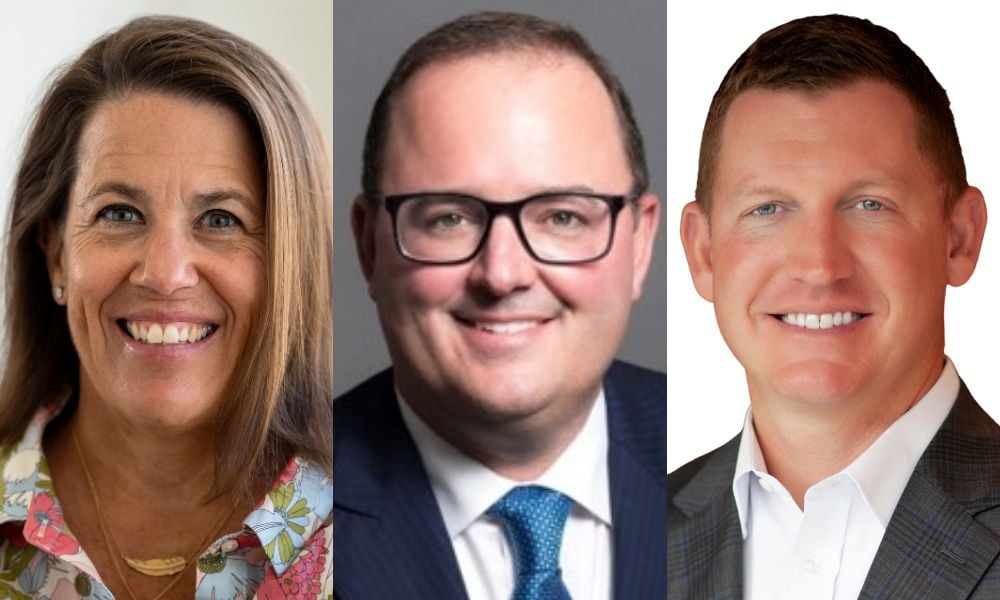
Jason Stephens, founder and managing partner of Evertern Wealth, a multifamily office in Naples, Florida, says the definition has changed significantly over his more than 25 years advising families. Many of his clients spend six or seven months in Florida, summers in the Northeast or Midwest and several weeks abroad. A multifamily office provides investment management, tax and estate coordination and related services to a limited number of wealthy families.
"Our job is to be available wherever their lives take them. Technology has certainly made that easier, but we do not believe Zoom replaces personal relationships. We continue to meet clients in person when they are away, particularly when there are important planning decisions, family meetings or opportunities to bring the next generation into the conversation. For a multi family office, wealth management should follow the family, not the other way around," Stephens said.
From Naples, Evertern is on the receiving end of seasonal migration for much of the year. In the summer, that flow reverses, and Stephens travels to where his clients are.
"The Midwest is particularly important to us. My business partner, Mic Lundon, spends approximately four to six weeks each year between Minnesota and Ohio, where he is originally from and still has family," Stephens said.
Where families cluster, the firm builds several days of meetings around one trip. Stephens said the firm's relationships with tax accountants, estate attorneys and investment bankers help when clients weigh a permanent move. That support runs from modeling the tax consequences to coordinating the client's broader advisory team.
The client base is also getting younger. "At the same time, we are seeing a growing number of younger successful business owners and executives move to Florida. For many, the appeal is a combination of lifestyle, business opportunities, tax savings and education," Stephens said.
That demand persists even as the broader migration wave has cooled. Florida added 201,191 residents through domestic and international migration in 2025, down from nearly 599,000 at the 2022 peak, according to Census Bureau estimates analyzed by the University of Florida. Each move also raises the question of domicile, which is the state a client legally treats as a permanent home for tax purposes. The state residency rules that trip up wealthy movers remain a planning priority.
Stephens sees expansion as a progression. A few key relationships justify a trip, and a larger cluster of clients can support a client event.
"Eventually, if you have enough existing relationships, referral activity and prospective clients in a market, a permanent presence may become the natural next step. We have found that the best expansion opportunities generally come from following our clients rather than selecting a market on a map and trying to manufacture a presence. If clients are repeatedly telling you through their behavior where they live, spend time and introduce you to friends and family, they are effectively showing you where your next opportunity may be," Stephens said.
Helen Andreoli, managing partner of Maine-based Great Diamond Partners, says clients who escape Maine winters get the same level of service. Their time away also gives her team the chance to see families in a different setting.
"In the event of an immediate need from either our team or the client, video conferencing is a great way to stay connected. Actually getting to see faces and having multiple family members on a call helps maintain the connection," Andreoli said.
"Our team is located in Maine and we have a significant client base here which means we have a lot of snowbirds who escape to Florida. Our advisors will spend as much as three weeks in the Sunshine State checking in with clients at their second homes," she said.
The firm's threshold for travel is low. If there is one client in a location, an advisor will make the trip.
"Because our clients are back in Maine for almost half the year, we have not explored the idea of opening an office in another State. We are able to serve our clients well from our home base. We have, however, considered establishing a temporary presence over the first few months of the year making it easier for us to travel down and visit with them on their schedules," Andreoli said.
Blake Anderson, managing director and senior wealth management advisor at OpenArc Corporate Advisory, says many of the families he works with already divide their time among residences across the country.
"Technology has made that seamless, allowing us to meet virtually through Zoom, Teams, and other platforms whenever needed. The relationship remains just as close, whether a client is down the street or across the country," Anderson said.
He travels regularly to Florida, the Carolinas, California and other seasonal markets. That approach mirrors other advisor teams that now regularly travel to Florida and Texas to visit clients.
"Typically, one or two trips a year are enough to conduct reviews, connect with family members, and spend meaningful time together outside the office. Those visits help strengthen relationships without the need to establish a permanent or temporary presence in those locations," Anderson said.
"If an in-person meeting is important, we'll get on a plane and be there, regardless of how many clients we serve in that market," Anderson said.
Stephens put it more simply. "After 25 years in this business, I still believe there is tremendous value in sitting across the table from someone. Technology has made it possible to advise families from almost anywhere, but it has not replaced the importance of personal relationships," he said.

New Escalent research finds younger, more diverse DC plan participants are open to rollovers - but increasingly prefer outside firms.

UBS finds millionaire investors are more optimistic than before 2024 but are actively repositioning portfolios ahead of November 3.

Auto-enrollment has landed for 60 million children, but Baird planning director says key questions on rollovers and Roth conversions remain open.

Learn why DC plan advisors are considering private assets to help fund decades-long retirements

MyComplianceOffice's AI-assisted surveillance links employee chats on Slack and Telegram with prediction market trades as Wall Street tightens rules
Knighthead Life entered the market with a competitive MYGA. A strong launch earned advisor confidence and paved the way for FIAs.
As AI makes financial information more accessible than ever, Lana Hock explains why human judgment, trust, and empathy remain the qualities clients value most in a financial advisor

